
Rare Wheat Pennies and a Humorous Grading Discussion
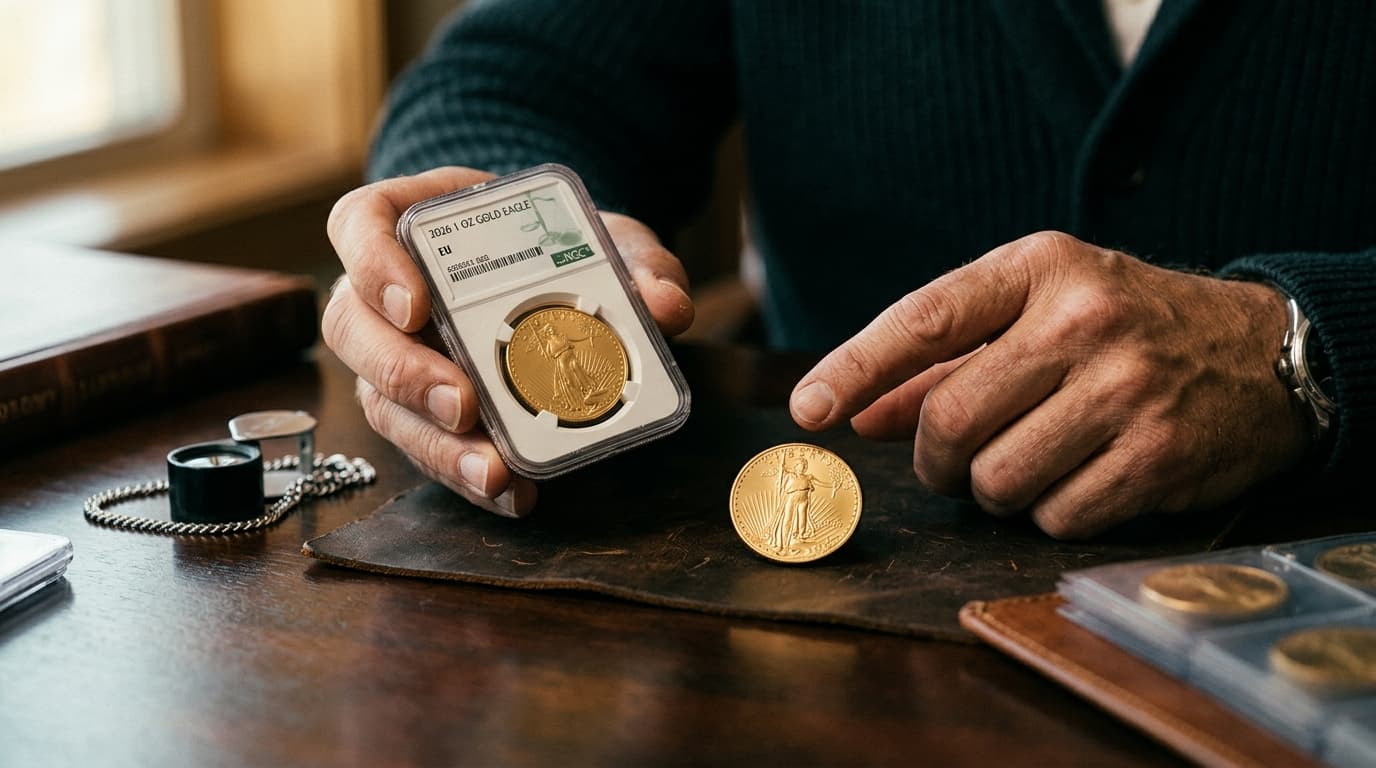
Third-party grading by NGC and PCGS has formalized the numismatic market, enabling price discovery and trust. Inflation hedging and precious metals volatility have accelerated acquisition of high-grade rare coin examples.
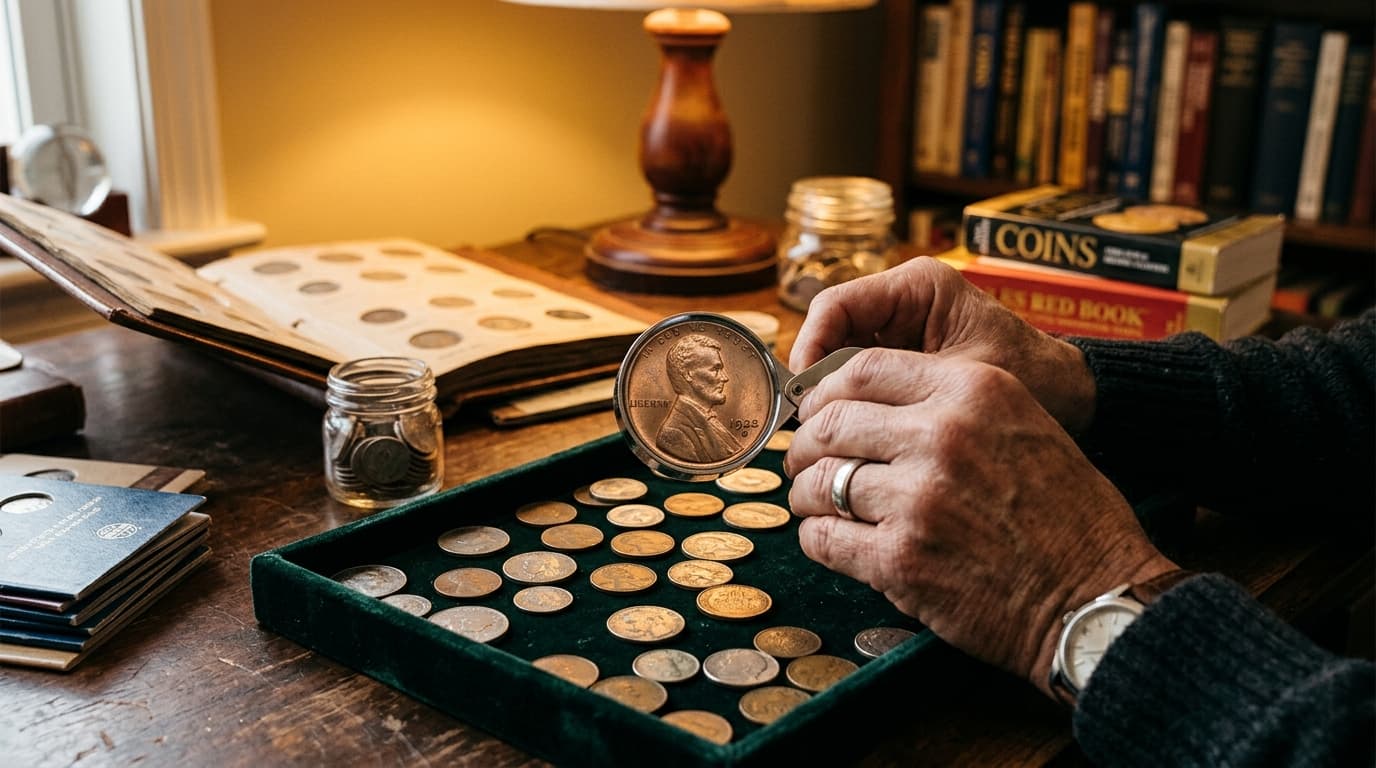
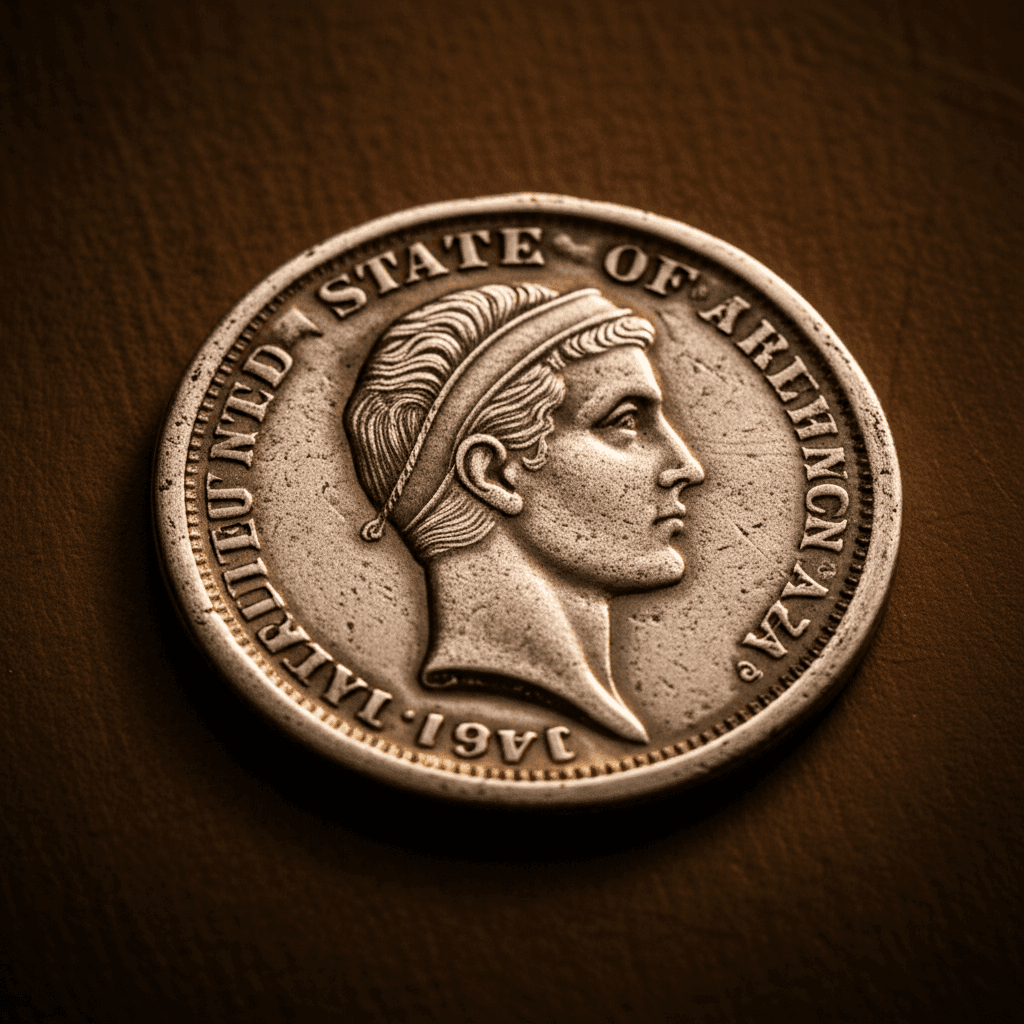
The iconic design featuring President Abraham Lincoln's profile and wheat stalks has made these coins highly valuable in the rare coin market, with prices varying significantly based on mint year, condition, rarity, and specific design variations. Today, wheat pennies represent some of the most actively traded United States coins in the global numismatic marketplace. What makes wheat pennies particularly desirable is their combination of historical significance and aesthetic appeal. Early production years and specimens with minting errors command premium prices that often exceed collector expectations. The design itself represents a pivotal moment in American coinage history, as it was the first circulating U. S. coin to feature an actual historical figure rather than allegorical representations. Collectors actively search for key dates and unusual variations that can fetch substantial returns at auction and private sales. The historical context of the wheat penny design is fundamental to understanding its enduring appeal. This transition from symbolic representations to portraiture established a precedent that influenced subsequent American coin designs for decades. The reverse wheat stalks symbolized American agricultural abundance and prosperity, reflecting the nation's economic character during that era. Multiple mint facilities contributed to wheat penny production throughout the 50-year span, with Philadelphia (no mint mark), Denver (D), and San Francisco (S) producing coins with varying quantities and circulation patterns. The relative scarcity of coins from different mint locations creates significant variations in market value. Coins from lower-mintage years and mint marks are particularly prized, while certain combinations of year and mint mark achieve exceptional rarity status that drives collector demand to remarkable levels. Market dynamics for wheat pennies have demonstrated consistent strength, particularly in recent years as investor interest in tangible assets has increased substantially. The market structure includes both retail dealer channels and advanced collector networks, creating multiple liquidity pathways for various grade levels. Key dates represent the pinnacle of wheat penny desirability, with certain years commanding prices dramatically exceeding face value. These key dates form the foundation of serious collector portfolios and represent achievable goals that motivate ongoing collecting activity. Acquiring complete sets of key dates remains a significant challenge that engages collectors across all experience levels. Minting errors present another dimension of wheat penny collecting that commands exceptional premiums. Double dies, off-center strikes, and broadstrikes represent categories of mint errors that can appreciate dramatically compared to normal circulation strikes. The specialized market for error coins requires detailed knowledge and professional authentication, as the distinction between notable errors and common variations significantly impacts valuation. Serious collectors increasingly recognize error coins as distinct investment categories worthy of dedicated research. Professional grading services have become indispensable to the wheat penny market's function and credibility. Organizations such as PCGS, NGC, and PMG provide third-party authentication and standardized condition assessment that establishes collector confidence and market pricing transparency. Certified coins in high grades command substantial premiums over ungraded examples, making professional grading a critical consideration for significant acquisitions. The grading infrastructure has essentially transformed wheat penny collecting from a casual hobby into a sophisticated investment discipline. Investment characteristics of wheat pennies include strong liquidity, stable demand across economic cycles, and recognized store-of-value properties. The coins function effectively as alternative assets that maintain purchasing power and demonstrate historical appreciation patterns. Long-term holding strategies have generally rewarded patient collectors, particularly those acquiring high-grade examples when pricing opportunities emerge. However, market performance varies by grade level and specific date, requiring analytical discipline in acquisition decisions. Collector communities and organizations play essential roles in market development and knowledge dissemination. The American Numismatic Association and specialized online forums facilitate information exchange that educates collectors and drives market sophistication. These communities document new discoveries, research important historical details about production variations, and establish authentication standards that protect market integrity. Participation in active collector networks significantly enhances individual collecting effectiveness and market awareness. Future market prospects for wheat pennies appear favorable given demographic trends favoring alternative asset ownership and persistent inflation concerns that strengthen precious metals and collectible demand. Technological advances in authentication, including advanced imaging and spectroscopic analysis, will enhance market security and reduce counterfeiting risks. Digital platforms and international marketplaces will continue expanding access while improving price discovery mechanisms, potentially attracting new generations of collectors to this enduring numismatic category. Wheat pennies transcend pure investment considerations, representing tangible connections to American history and economic development. Each specimen carries distinctive characteristics that reflect specific moments in the nation's numismatic and economic evolution. Successful collecting combines analytical market awareness with historical appreciation, recognizing that these coins function simultaneously as investment vehicles and historical artifacts that preserve and represent defining periods of American civilization.
Related Articles
Weekly Market Intelligence
Weekly rare coin intelligence — auctions, price action, and analysis, delivered via LINE.
Free · Instant · Block anytime