Austria's 2026 Silver-Niobium 25 Euro Quantum Physics Coin Signals Premium Collectible Demand Shift
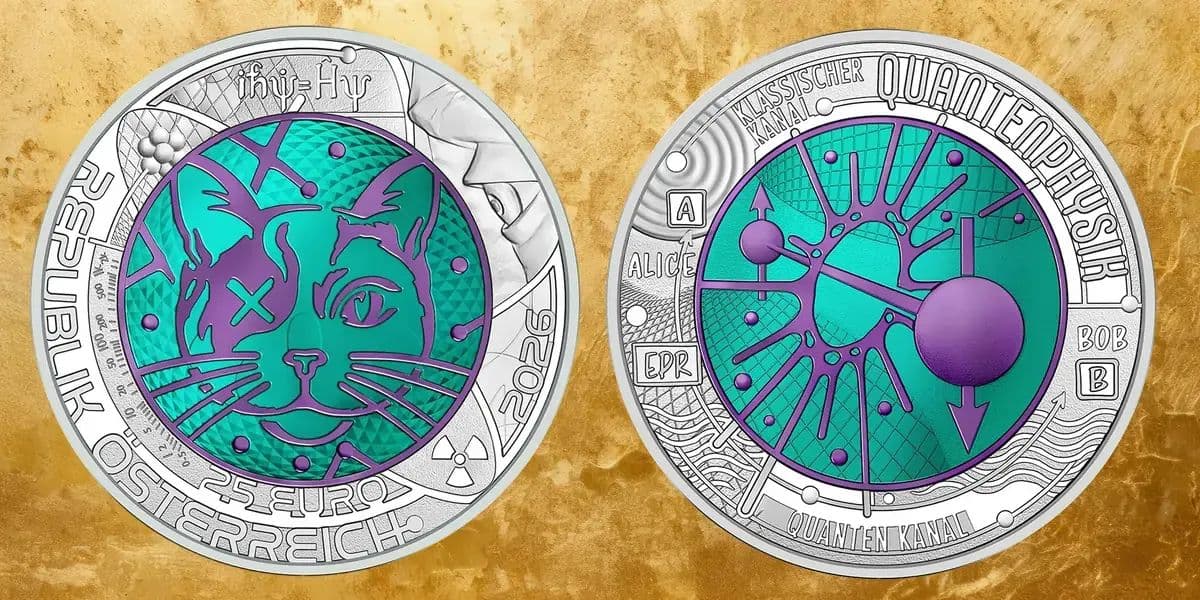
Austria's national mint will release a 25 Euro silver-niobium commemorative coin on February 25, 2026, featuring quantum physics as its thematic focus. This numismatic piece represents the latest installment in the mint's internationally acclaimed silver-niobium series, known for merging advanced metallurgical innovation with sophisticated design. The rare coin market increasingly values thematic depth and technical execution; quantum physics—as a profound intellectual subject—positions this release as a flagship entry for collectors seeking numismatic works that transcend monetary function. Early acquisition typically establishes price precedent for graded coins in secondary market trading.
News Details and Background
Austria's prestigious national mint is set to release a groundbreaking 25 Euro silver-niobium commemorative coin on February 25, 2026, marking another significant milestone in modern numismatic innovation. This coin celebrates quantum physics, one of the most revolutionary scientific frameworks of the twentieth century, and promises to deliver exceptional artistic and technical merit. The release date coincides with important developments in Austrian cultural programming, positioning this coin as a flagship release in the nation's ongoing commitment to numismatic excellence.
The coin represents the latest installment in Austria's celebrated silver-niobium series, which has garnered international recognition for combining cutting-edge metallurgical techniques with sophisticated design aesthetics. The choice of quantum physics as the thematic focus reflects contemporary interest in fundamental science and humanity's ongoing quest to understand the nature of reality itself. By selecting such a profound subject matter, the Austrian mint demonstrates its dedication to creating coins that transcend mere monetary value and serve as tangible celebrations of human intellectual achievement.
Technical specifications indicate that this release will maintain the high standards established by previous entries in the series, with careful attention paid to both the visual design elements and the innovative use of niobium as a secondary metal. The combination of silver and niobium has proven particularly effective in creating distinctive visual effects and ensuring exceptional durability and collectibility.
Historical Context
The integration of quantum physics into numismatic design reflects a broader contemporary movement toward celebrating scientific achievement through coinage. Quantum mechanics fundamentally transformed our understanding of the physical world during the early twentieth century, with pioneers such as Niels Bohr, Werner Heisenberg, Erwin Schrödinger, and Max Planck revolutionizing scientific thought. Commemorating these contributions through carefully crafted coins provides a tangible link between scientific history and everyday artistic expression.
Austria's relationship with scientific commemorations extends back decades, but the modern silver-niobium series represents a particularly sophisticated approach to merging contemporary design sensibilities with scientific themes. Previous Austrian releases have successfully explored mathematics, physics, and technology, establishing a strong precedent for intellectual commemoration. The 2026 quantum physics coin builds upon this foundation while introducing fresh perspectives on how abstract scientific concepts can be visually represented in numismatic form.
The choice to feature quantum physics is particularly timely given ongoing developments in quantum computing and quantum telecommunications, fields that promise to reshape technological infrastructure globally. By honoring the theoretical foundations of these emerging technologies, Austria positions itself at the intersection of historical reflection and forward-looking innovation.
Numismatic Analysis
The silver-niobium composition creates a distinctive visual presentation that distinguishes these coins from traditional precious metal releases. Niobium, a refractory metal with remarkable properties, resists oxidation and provides a contrasting white appearance against the warmer tone of silver. This juxtaposition creates exceptional visual impact and ensures that the coins remain striking and vibrant throughout their existence, resisting the tarnishing that affects purely silver compositions.
The 25 Euro denomination represents a significant value point within Austrian commemorative coinage, positioning the release as both accessible to general collectors while maintaining sufficient precious metal content to appeal to serious numismatists. The weight and dimensions are calibrated to create an impressive physical presence while remaining manageable for display and handling. Design space is optimized to showcase quantum physics concepts through imaginative visual narratives.
Mintage figures for Austrian commemorative coins are typically limited, ensuring that each release maintains collectible appeal and prevents market saturation. The specific mintage allocation for the 2026 quantum physics coin has been designed to balance availability with scarcity, following established Austrian protocols that prioritize collector satisfaction while maintaining long-term value stability.
Market Trends and Price Analysis
The silver-niobium series has demonstrated consistent appreciation in secondary market values, with earlier releases often commanding premiums substantially above initial issue prices. Market demand for scientifically-themed commemorative coins has strengthened considerably, particularly among collectors seeking coins that represent intellectual and cultural milestones rather than purely monetary assets. This trend suggests favorable conditions for the 2026 quantum physics release.
Premium pricing for initial releases is common within the Austrian commemorative series, with collectors eager to secure examples immediately upon availability. Historical data indicates that coins featuring breakthrough scientific concepts tend to appreciate steadily, reflecting enduring educational value and aesthetic appeal. The quantum physics theme appears particularly well-positioned to capitalize on this demand trajectory, given widespread public interest in fundamental science.
Silver spot price volatility continues to influence underlying precious metal values, though the niobium component provides additional stability not found in purely precious metal compositions. As investors diversify their holdings and seek alternative stores of value, the combination of precious metals with industrial metals in commemorative form offers appealing advantages.
Collector Significance
For serious numismatists, the 2026 quantum physics coin represents a masterpiece opportunity to acquire a scientifically significant contemporary release that bridges art, science, and material culture. Collectors who focus on scientific commemoration will recognize this release as essential to comprehensive collections exploring humanity's intellectual achievements. The coin transforms abstract physical concepts into tangible, displayable form.
Educational collectors will appreciate the pedagogical value inherent in the design, as the coin serves as both artistic statement and teaching tool about quantum mechanics fundamentals. The numismatic community has increasingly embraced coins that educate while they commemorate, and this release exemplifies that philosophy. Young collectors and students of physics may find particular appeal in acquiring coins that celebrate scientific heritage.
The bimetallic or composite nature of the coin appeals to specialists who focus specifically on innovative metallurgical combinations in modern coinage. Such collectors view these coins as technological achievements worthy of preservation and study, ensuring robust long-term demand from this collecting segment.
Comparable Coins
Austria's previous entries in the silver-niobium series provide relevant context for evaluating the 2026 quantum physics release. Earlier themed coins from this series have all achieved strong secondary market performance, with collectors recognizing the exceptional design quality and technical execution. The intellectual caliber of previous subjects positions quantum physics as appropriately significant thematic material.
International commemorative releases celebrating scientific achievement offer additional comparison points, though Austria's distinctive silver-niobium combination creates a unique positioning within global numismatic markets. Swiss, German, and Belgian commemorative releases exploring similar themes have demonstrated sustained collector interest and appreciation potential. The Austrian approach, however, benefits from its distinctive metal combination and design traditions.
Other quantum physics or physics-themed commemoratives released globally in recent years have generally experienced strong reception from specialized collectors. The scarcity of quantum-specific numismatic commemoration makes the Austrian release particularly noteworthy and suggests limited direct competition for collector attention within this specific niche.
Authentication Considerations
Austrian mint productions incorporate sophisticated security features and quality control protocols that make counterfeiting exceptionally challenging. The distinctive silver-niobium composition itself provides significant authentication advantages, as the material combination and manufacturing requirements exceed capabilities of typical counterfeit operations. Collectors acquiring coins directly from official distribution channels through authorized dealers face minimal authentication risks.
The 2026 release will include standard authentication documentation and certification as part of official distribution processes. Serious collectors should maintain original packaging, certificates, and documentation to preserve the complete provenance record. The physical characteristics of authentic examples, including precise weight, dimensions, and metal composition, provide definitive verification standards.
Professional authentication services remain available for coins acquired through secondary market channels or when documentation is unavailable. The distinctive appearance of silver-niobium compositions makes visual inspection relatively straightforward for experienced numismatists, though laboratory analysis can provide additional certainty when required.
Future Outlook
The 2026 Austria 25 Euro quantum physics silver-niobium coin appears positioned for sustained collector demand and appreciating secondary market values. The convergence of multiple favorable factors—scientific significance, innovative metallurgical composition, limited mintage, Austrian mint reputation, and strong historical performance of comparable releases—creates an exceptionally promising outlook for long-term value retention and appreciation.
Numismatic trends suggest that scientifically-themed commemoratives will continue gaining collector preference as alternative investments and cultural artifacts. The quantum physics subject matter possesses enduring relevance that transcends temporary fashion cycles, ensuring lasting appeal across multiple collector generations. Educational institutions and science museums may develop collecting interest, creating additional demand vectors beyond traditional numismatists.
As quantum technologies advance and societal awareness of quantum mechanics deepens, the commemorative significance of this coin will likely increase rather than diminish. The 2026 release represents a valuable opportunity for collectors to acquire a scientifically meaningful piece that celebrates humanity's understanding of reality itself while exemplifying contemporary numismatic artistry and innovation.
Related Articles
Weekly Market Intelligence
Weekly rare coin intelligence — auctions, price action, and analysis, delivered via LINE.
Free · Instant · Block anytime