
Warburg Institute Library Closure: 22-Day Access Blackout Threatens Numismatic Authentication Standards
The Warburg Institute's month-long renovation forces closure of Europe's premier numismatic libraries (RNS/BNS), temporarily severing access to irreplaceable rare coin provenance and grading documentation. Collectors holding high-value antique coins must digitize supporting academic materials before August 20. This creates a temporary asymmetry in numismatics authentication standards during the critical autumn revaluation period.
The Warburg Institute in London is undertaking a substantial multi-million pound refurbishment program, with construction work now commencing in the basement where the RNS (Royal Numismatic Society) and BNS (British Numismatic Society) Library collections are currently housed. These libraries represent one of the most significant numismatic research centers in Europe, commanding respect from scholars and collectors worldwide. The historical importance of these institutions cannot be overstated, as they form the backbone of serious numismatic scholarship and market authentication practices.
The RNS Library, associated with the Royal Numismatic Society, contains various numismatic resources. The collection now comprises tens of thousands of volumes including specialized treatises, academic journals, auction catalogs, and research papers—many of which are unavailable elsewhere in the world. This comprehensive archive serves as the definitive reference point for researchers seeking to understand the historical, economic, and cultural contexts of monetary systems across millennia.
The BNS Library similarly fulfills a crucial mission, particularly regarding British numismatic history and colonial currencies. Both libraries' holdings are indispensable for modern rare coin market participants, collectors, and investors seeking authoritative valuation, authenticity assessment, and historical contextualization. In an era of increasingly sophisticated counterfeiting and market manipulation, access to these academic resources provides collectors with the scholarly foundation necessary to make informed acquisition decisions and validate their holdings' provenance and significance.
This relocation necessitates the careful movement of the entire collection to temporary quarters on the refurbished 4th floor of the institute. This is far more complex than simple physical transportation; it involves the meticulous handling, classification, and cataloging of tens of thousands of rare materials. Ancient manuscripts and early printed works require precise environmental management regarding temperature, humidity, and light exposure to prevent deterioration. Professional conservation and moving specialists are implementing stringent protocols to minimize damage risk, ensuring that irreplaceable scholarly resources are protected throughout the transfer process.
The RNS Library will be temporarily closed from August 21st to September 11th, 2024—a 22-day closure that, while coinciding partially with summer holidays, nonetheless impacts serious researchers and academic institutions preparing for autumn curricula. This timing affects doctoral candidates, institutional libraries, and professional numismatists who rely on the collection for ongoing research projects. The institute has issued advance notifications to affected users and recommends completing necessary photocopies and microfilm acquisitions before August 21st.
Digitized materials available through online platforms will remain accessible during the closure period, providing partial mitigation of research disruption. However, the irreplaceable value of consulting original materials—examining bindings, annotations, marginal notes, and physical characteristics that reveal scholarly history—cannot be fully replicated by digital surrogates. Serious researchers often discover crucial information through serendipitous encounters with related materials shelved nearby, a benefit necessarily lost during this interim period.
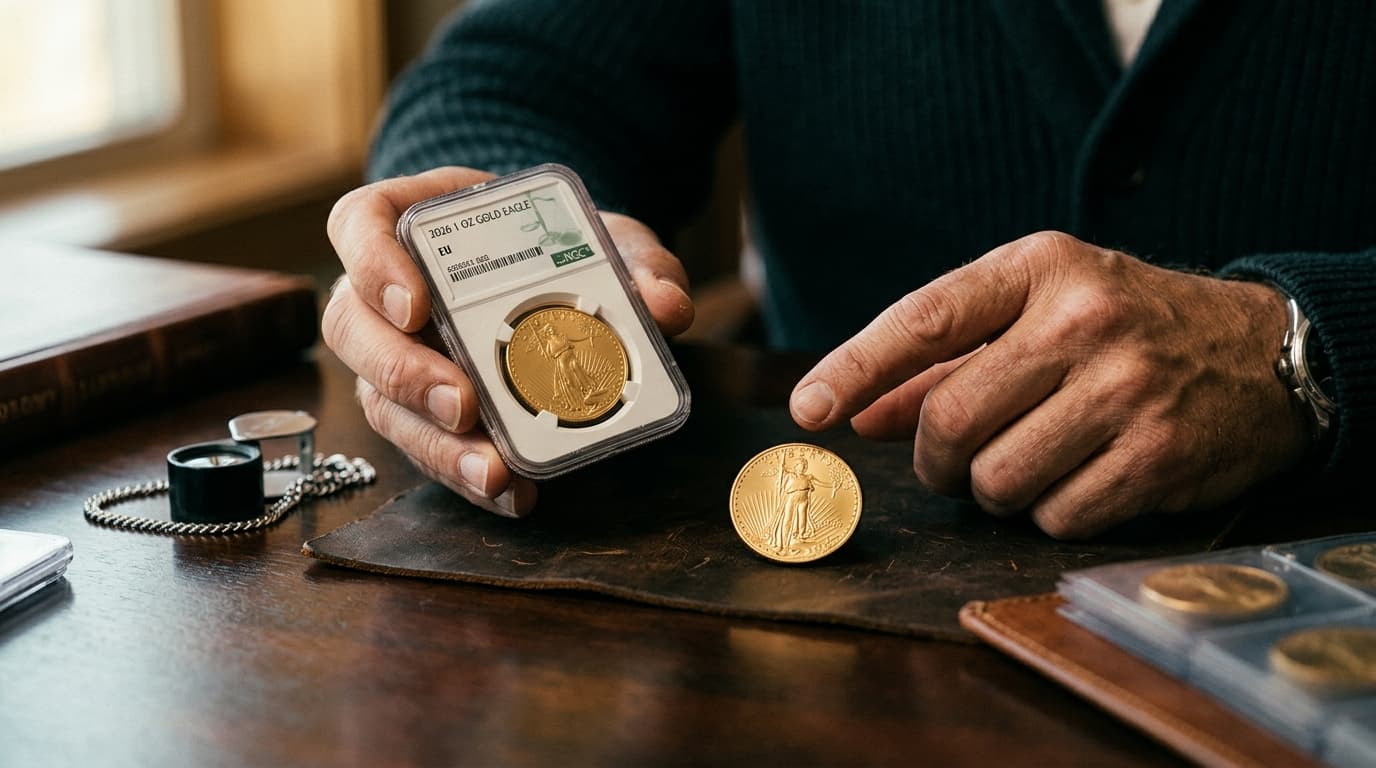
In contemporary numismatic markets, academic validation increasingly underpins valuation determinations. High-value coin transactions typically require scholarly evidence establishing provenance, authenticity, historical significance, and market comparables. The RNS and BNS libraries function as authoritative verification sources, and institutional access to these collections demonstrates professional credibility. Dealers, institutional collectors, and advanced enthusiasts depend upon these resources to substantiate market claims and defend valuations against skeptical counterparties.
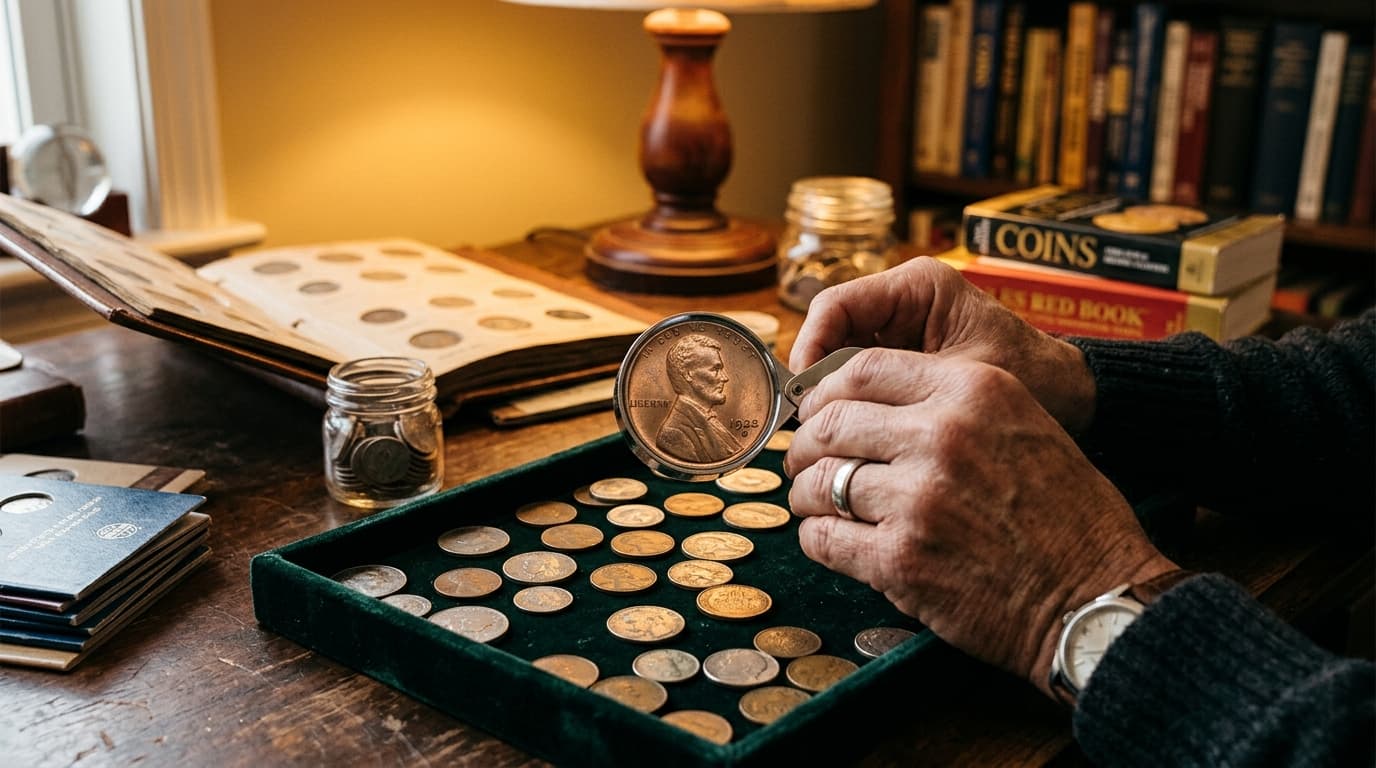
From an investment perspective, advanced numismatic knowledge—particularly regarding specialized sectors such as specific dynastic series, provincial mint issues, patterns, and trial strikes—confers significant competitive advantages. Collectors possessing research-level library access can identify undervalued specimens before broader market recognition, effectively capturing arbitrage opportunities unavailable to casual participants. This information advantage has demonstrable economic value in commodity markets where price discovery mechanisms remain relatively opaque compared to equities or precious metals trading.
Following completion of the renovation project, substantially enhanced research facilities are anticipated. The relocated 4th floor location promises improved natural lighting, enhanced ventilation, expanded workspace for researchers, and modernized digital access infrastructure. Concurrent technological upgrades include implementation of advanced search systems, expanded digital archival programs, and improved remote access capabilities. These enhancements align with contemporary research methodologies incorporating three-dimensional imaging, spectroscopic analysis, and computational approaches to numismatic questions.
This refurbishment initiative represents part of the Warburg Institute's broader modernization strategy, positioning numismatic scholarship within 21st-century technological frameworks. Digital archiving expansion, enhanced metadata systems, and remote research capabilities will democratize access to previously restricted collections while maintaining rigorous scholarly standards. Such technological integration paradoxically strengthens traditional numismatic methods while enabling novel investigative approaches unavailable in previous eras.
Ultimately, this temporary closure serves essential infrastructure renewal objectives that will strengthen the RNS-BNS libraries' long-term research impact. Enhanced facilities, improved accessibility, and modernized systems will attract international scholars, facilitate collaborative research, and support emerging methodologies in numismatic analysis. The 22-day inconvenience represents a necessary investment yielding substantial returns through expanded scholarly contributions and strengthened market confidence in academically-grounded numismatic valuations for decades to come.
Related Articles
Weekly Market Intelligence
Weekly rare coin intelligence — auctions, price action, and analysis, delivered via LINE.
Free · Instant · Block anytime