
NGC, PCGS Grades Can Plummet Without Proper Coin Storage
Uncirculated coins retain premium valuations only when environmental conditions—humidity, temperature, and contaminant control—are meticulously maintained. The article reveals that preservation costs directly impact long-term ROI for high-grade antique coin portfolios.
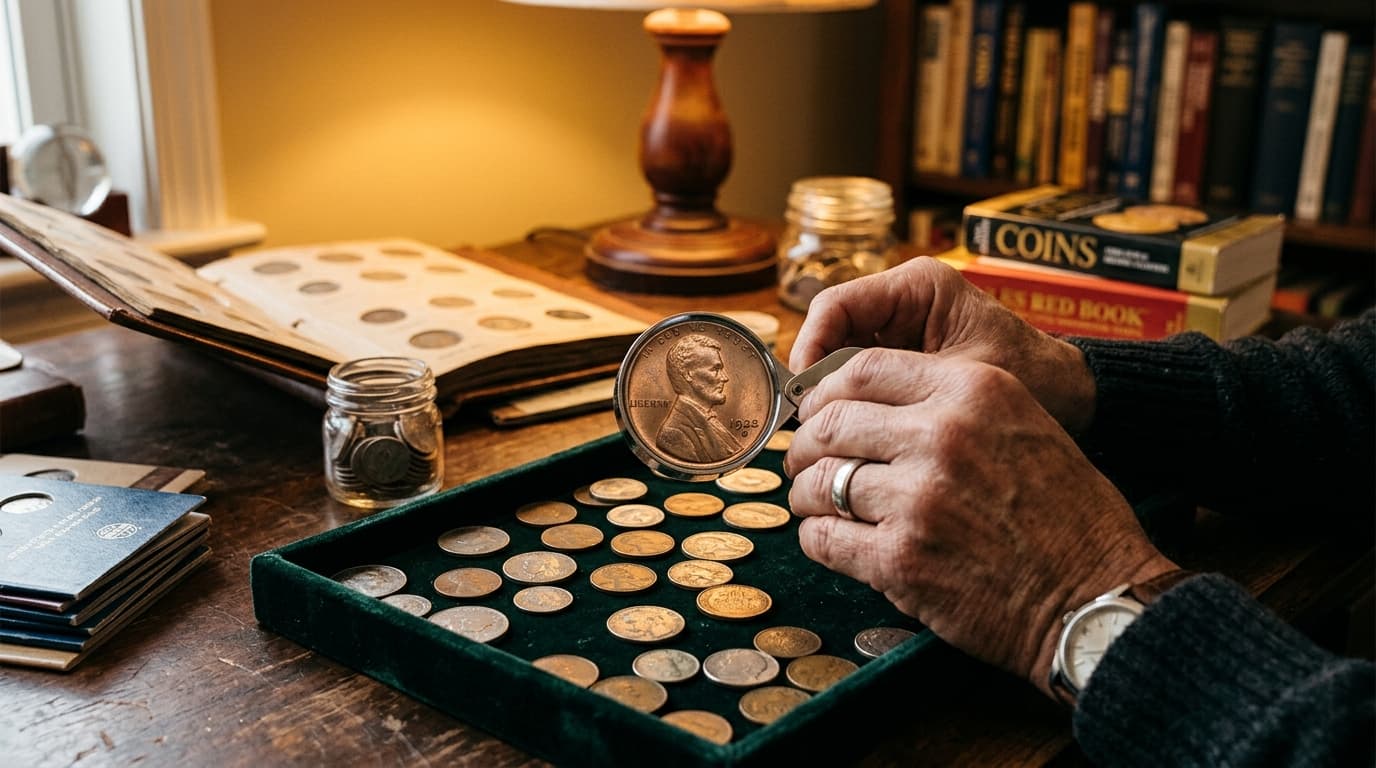
The proper management of uncirculated coins stands as one of the most critical concerns within the numismatic collecting community. Uncirculated coins, defined as specimens that have never entered circulation and retain their original pristine condition, command premium valuations among serious collectors worldwide. Understanding the appropriate methods for handling, preserving, and ultimately managing these valuable pieces forms the foundation of responsible coin stewardship. The distinction between circulated and uncirculated specimens extends far beyond aesthetic considerations; it encompasses market valuation, historical significance, and the collector's responsibility in preserving cultural artifacts for future generations.
The preservation of uncirculated coins requires meticulous attention to environmental conditions that directly impact the longevity of these pieces. Chemical degradation, oxidation, and physical damage represent the primary threats to long-term preservation. Unlike circulated coins that have already experienced wear through natural use, uncirculated specimens maintain their original luster and sharp design details, making their protection from further deterioration paramount. Collectors must establish storage environments that minimize exposure to humidity fluctuations, temperature variations, and contaminants.
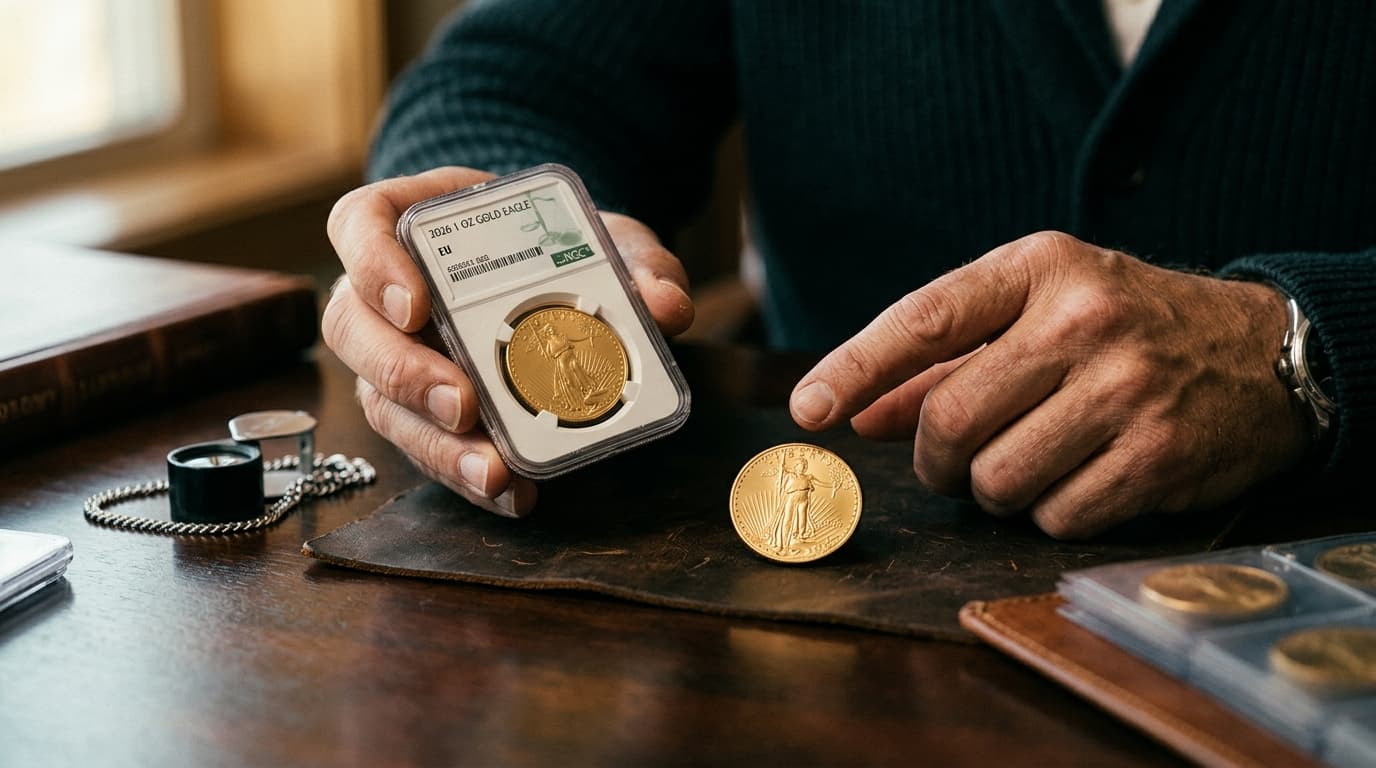
Professional grading and authentication services have become indispensable tools for maximizing the value of uncirculated coins. This objective evaluation process provides collectors with definitive condition assessments that significantly enhance market credibility and facilitate transparent pricing negotiations. The encapsulation of graded coins in protective holders simultaneously serves preservation and marketability objectives, creating a dual benefit for collectors managing premium specimens. The grading process essentially acts as a value amplifier, as coins graded at higher levels consistently achieve disproportionately higher prices at auction and private sale compared to ungraded specimens of similar condition.
The decision to retain or liquidate uncirculated coins requires sophisticated market analysis and strategic planning. Collectors must evaluate multiple sales channels, including specialized auction houses, online platforms, and established numismatic dealers, each offering distinct advantages depending on the rarity and desirability of specific pieces. International auctions present particularly compelling opportunities for exceptionally rare uncirculated specimens, potentially reaching collectors with specialized interests and substantial acquisition budgets. However, the financial calculus must account for commission structures, shipping costs, insurance premiums, and authentication fees that directly impact net proceeds. Strategic patience in timing sales to coincide with peak market demand cycles can substantially enhance realized values compared to hasty liquidation during unfavorable market conditions.
The role of uncirculated coins within broader collection strategies extends beyond simple investment considerations. These specimens serve as tangible windows into historical epochs, reflecting the economic circumstances, technological capabilities, and aesthetic values of their respective periods. The ability to examine a pristine uncirculated coin directly connects collectors to historical moments when that piece first left the mint. This educational dimension transforms coin collecting from a purely financial endeavor into an intellectually enriching pursuit that deepens understanding of numismatic history. Building a diverse collection of uncirculated coins across different periods, nations, and metals creates a comprehensive narrative of monetary evolution and cultural expression across civilizations.
Technological advancements in preservation materials have dramatically improved the capacity of collectors to maintain uncirculated specimens in perpetuity. Acid-free holders, inert materials, and climate-controlled storage solutions represent modern solutions that previous generations of collectors could not access. Contemporary collectors benefit from decades of conservation research and best practice documentation that earlier enthusiasts developed through experimentation. This accumulation of knowledge creates an opportunity for modern collectors to achieve preservation standards that virtually guarantee the long-term stability of their uncirculated specimens. Investing in appropriate storage infrastructure thus represents not merely an expense but a prudent investment in permanent preservation.
The insurance and documentation requirements associated with uncirculated coin collections cannot be overlooked in comprehensive stewardship planning. Detailed catalogs with photographs, grading certificates, provenance documentation, and appraisals form essential components of responsible collection management. These records serve multiple functions: they establish clear ownership chains, facilitate insurance claims if loss occurs, and provide essential information for potential heirs or future custodians of the collection. Additionally, maintaining comprehensive records enhances the collector's own understanding of their holding's scope and composition, facilitating informed decisions regarding future acquisitions or deaccessions. Professional-grade documentation transforms personal collections into organized assets with clear institutional value.
The treatment of uncirculated coins ultimately reflects fundamental principles of stewardship and respect for historical artifacts. Collectors who properly preserve uncirculated specimens contribute to the preservation of tangible monetary history for future generations. The commitment to appropriate handling, storage, professional authentication, and strategic management transforms the hobby of coin collecting into a form of cultural custodianship. By recognizing uncirculated coins not merely as investment vehicles but as irreplaceable historical documents worthy of serious preservation efforts, collectors elevate their pursuit to align with broader objectives of cultural heritage preservation. This mature approach to uncirculated coin management distinguishes serious numismatists from casual traders and reflects the profound significance these pieces hold within the broader context of human historical understanding.
Related Articles
Weekly Market Intelligence
Weekly rare coin intelligence — auctions, price action, and analysis, delivered via LINE.
Free · Instant · Block anytime