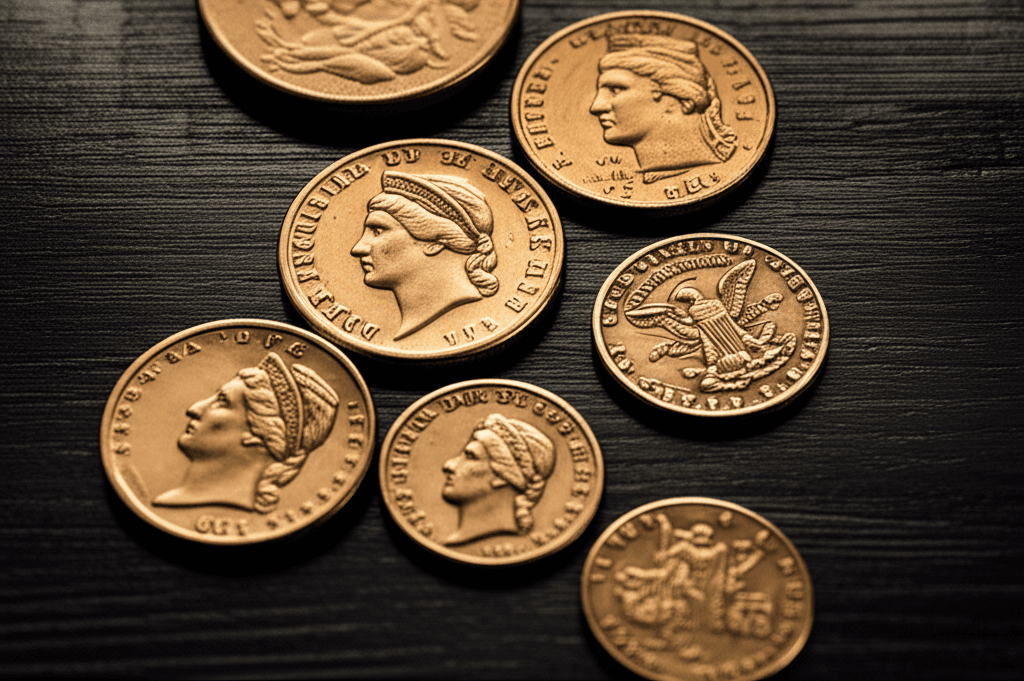
Federal Register Locks American Eagle Pricing Structure Amid Metal Cost Surge
Market

Federal Register Locks American Eagle Pricing Structure Amid Metal Cost Surge

Verdict:Conclusion: The U.S. Mint formally published its revised pricing structure for numismatic products in
Summary

The U.S. Mint's revised pricing structure for numismatic products, formally published in the Federal Register on February 6, retroactively legitimizes months of price adjustments driven by unprecedented precious metal cost inflation. American Eagle coins, American Buffalo bullion, and commemorative/proof sets now operate under a codified methodology linking retail prices to spot metal futures. This Federal Register formalization establishes legal authority for future adjustments and creates transparency for rare coin dealers and collectors navigating secondary market valuations. The baseline is now an official administrative record, reducing pricing disputes and enabling hedging strategies for graded coin portfolios.

News Details and Background

The U.S. Mint officially published its revised pricing structure for numismatic products in the Federal Register on February 6, marking a formal confirmation of adjustments that had already been implemented across its product catalog. This publication represents the culmination of months of operational adjustments as the Mint grappled with unprecedented increases in precious metal costs. The pricing updates affect a wide range of numismatic offerings, including American Eagle coins, American Buffalo bullion coins, and various commemorative and proof sets that form the backbone of the Mint's numismatic portfolio.

The formal publication in the Federal Register carries significant legal and administrative weight, as it establishes the official baseline for all U.S. Mint pricing going forward. This process ensures transparency and allows collectors, dealers, and investors to understand the rationale behind the price modifications. The Federal Register announcement provides detailed explanations of how precious metal spot prices influenced the calculations, establishing clear methodologies for future adjustments. This formal documentation also creates an official record that can be referenced for any questions regarding the legitimacy and necessity of the price increases.

Prior to this official publication, the U.S. Mint had already been adjusting prices on its website in real-time, creating somewhat of a gap between practical implementation and formal regulatory documentation. The February 6 publication closes this gap and provides the institutional backing that numismatists and serious collectors demand. This timing suggests the Mint recognized the need to formalize these adjustments before spring collecting season, when demand typically increases among enthusiasts preparing for new releases and special commemorative issues.

Historical Context

The U.S. Mint's pricing structure has historically maintained relative stability, with major adjustments typically occurring only once or twice per decade.Rising precious metal costs have been associated with price adjustments. That adjustment established precedents for how the Mint calculates product pricing relative to raw metal costs, methodologies that were referenced during the development of the current pricing updates.

In previous pricing cycles, the U.S. Mint routinely published advance notice Mint enjoyed relatively predictable production costs, allowing for consistent pricing that became familiar to generations of collectors. Annual American Eagle premiums remained essentially unchanged for nearly a decade, creating a comfortable predictability in the marketplace. Proof sets, uncirculated sets, and commemorative coins maintained their traditional price points, allowing budget-conscious collectors to plan purchases with confidence. This extended period of stability actually masked the underlying volatility in precious metal markets, insulating numismatists from the price fluctuations that directly affected bullion investors.

The sharp gains in precious metal prices fundamentally changed this dynamic. Silver, gold, and platinum all experienced dramatic increases driven by geopolitical tensions, inflation concerns, and global supply chain disruptions. The U.S. Mint found itself in an untenable position where manufacturing costs exceeded selling prices for certain products, threatening profitability and the long-term viability of its numismatic program. The 2024 adjustments represent the Mint's response to this existential challenge, ensuring that product pricing bears a more direct relationship to underlying precious metal costs.

Numismatic Analysis

From a numismatic perspective, the pricing adjustments reflect the intrinsic value component of modern U.S. bullion and commemorative coins more accurately than previous methodologies. Numismatists have long debated whether American Eagle premiums sufficiently compensated the Mint for artistic design, quality control, and historical significance beyond mere metal content. The new pricing structure arguably tips the balance more heavily toward metal value, raising questions about whether the artistic and numismatic premium components have been diminished. This philosophical shift carries implications for how collectors evaluate these products relative to their intrinsic bullion value.

The impact varies significantly across different product categories. American Buffalo coins, which contain one ounce of pure gold, experienced more substantial percentage increases than their American Eagle counterparts due to the nature of their production costs and existing margin structures. Proof sets experienced dramatic increases because they incorporate multiple denominations and premium production standards, all of which require proportionally higher manufacturing costs as metal prices rise. Silver Eagle proofs particularly saw significant adjustments, reflecting both the increased cost of fine silver and the premium associated with specialized proof production techniques.

Collectors should recognize that these adjustments do not diminish the numismatic value of previously released coins. However, the adjustments do create interesting opportunities for collectors to evaluate their portfolios. Coins acquired at lower prices now possess both their intrinsic numismatic qualities and enhanced intrinsic metal value, potentially improving long-term appreciation prospects. Savvy numismatists may view this as an inflection point requiring strategic reassessment of collection priorities and acquisition strategies.

Market Trends and Price Analysis

The precious metals market experienced a dramatic transformation in recent years, fundamentally altering the economic landscape for the U.S. Mint.Silver prices tracked sharp gains earlier this year and late last year. Gold similarly experienced substantial increases, with spot prices breaking through psychological barriers not seen for years. These increases directly impacted the manufacturing cost structure for every precious metal numismatic product the Mint produces, forcing reevaluation of entire product lines. The Mint's pricing adjustments reflect attempts to maintain viability while preserving collector access to these important products.

The Federal Register publication suggests the Mint expects these elevated prices to persist in the medium term, justifying the formalization of adjusted pricing structures. This represents a significant psychological shift from previous decades when precious metal costs were viewed as temporary cyclical events. The Mint's decision to publish formal adjusted pricing suggests confidence in maintaining these new price levels, implying belief in sustained higher precious metal valuations going forward.

Comparative analysis with international mints reveals that other government agencies producing numismatic products have implemented similar adjustments. The Royal Canadian Mint, Perth Mint, and European central banks have all made comparable pricing modifications during this period, suggesting these adjustments represent a global industry response rather than isolated U.S. decisions. This international alignment provides validation that the Mint's approach aligns with market realities and industry standards. Collectors and dealers accustomed to comparing U.S. products with international alternatives will recognize these adjustments as consistent with global trends.

Collector Significance

For serious numismatists and collectors, the February 6 Federal Register publication carries substantial practical implications requiring thoughtful response. Collectors who had been delaying purchases in hopes of price stabilization must now recalibrate their strategies, acknowledging that these adjusted prices likely represent the new baseline rather than temporary peaks. This realization prompts important decisions about collection priorities, acquisition frequency, and overall collecting budgets. Many collectors will need to make difficult choices about which products to pursue actively versus which to acquire sporadically or exclude from future collection objectives.

The pricing adjustments disproportionately impact collectors working with fixed annual budgets. A collector previously able to purchase six or eight different proof sets annually may now be limited to three or four at new price points. This constraint forces prioritization and specialization, potentially reshaping collection strategies across the numismatic community. Some collectors may shift focus from broad accumulation strategies toward deeper exploration of specific series or designs. Others may increase emphasis on secondary market purchases, seeking examples from previous years at potentially discounted prices compared to new Mint releases.

The psychological impact on the collecting community cannot be underestimated. Numismatics has traditionally attracted individuals seeking enjoyable hobbies compatible with limited budgets. Substantial price increases threaten this accessibility, potentially narrowing the hobby's appeal to affluent collectors. Mint officials recognize this concern, which partly explains the deliberate formalization process and transparent publication in the Federal Register. By establishing clear documentation of the economic justifications, the Mint attempts to demonstrate that pricing decisions reflect genuine cost pressures rather than arbitrary margin expansion, preserving goodwill within the collecting community.

Comparable Coins

When evaluating the significance of current U.S. Mint pricing, comparison with comparable products from previous eras proves instructive. This historical perspective demonstrates how pricing adjustments, while uncomfortable in the present, often appear entirely reasonable within decade-long timeframes.

International comparable products provide additional context. The Canadian Silver Maple Leaf, often considered a benchmark against which American Eagle pricing is evaluated, has experienced similar upward adjustments in recent years. British Britannia coins and Australian Perth Mint products have all implemented comparable pricing modifications. These international benchmarks suggest that U.S. pricing adjustments place American products within the competitive mainstream rather than representing outlier responses. Collectors familiar with international numismatic markets recognize these adjustments as consistent with global industry trends and competitive positioning.

Historically significant commemorative coins issued during previous precious metal price spikes offer particularly relevant comparisons. Current collectors and investors purchasing at recently adjusted prices may find themselves in similar positions—paying elevated prices that, over time, appear reasonable or even undervalued relative to eventual collector demand and precious metal appreciation. This historical pattern suggests patience and long-term perspective prove valuable when evaluating current pricing adjustments.

Authentication Considerations

While the Federal Register publication addresses pricing rather than authenticity, the combination of higher prices and increased collector attention to numismatic products creates an environment where authentication considerations gain importance. Higher-priced products attract counterfeit activity, particularly as precious metal values increase. Collectors purchasing at adjusted price points bear responsibility for ensuring authenticity and proper grading of acquisitions. The U.S. Mint's official products arrive with inherent authenticity assurance when purchased directly from the Mint, but secondary market purchases require careful evaluation.

Professional grading services have reported increased submission volumes in recent months, reflecting collectors' heightened attention to their holdings following price adjustments. This increased professional grading activity represents healthy market development, creating transparent records of product condition and authenticity. Collectors should recognize that previously ungraded numismatic items from their collections may have appreciated substantially in practical value, justifying professional evaluation and authentication services. The transition to higher price points makes this professional documentation increasingly worthwhile economically.

The authentication environment benefits from the U.S. Mint's direct distribution methods and comprehensive record-keeping. Mint direct purchases provide documented provenance and guaranteed authenticity that secondary market acquisitions cannot match. This advantage of direct Mint purchases becomes more valuable as prices increase, potentially justifying premium pricing strategies that favor purchasing directly from official channels rather than seeking secondary market bargains. Collectors should factor authentication certainty into pricing comparisons, recognizing that the peace of mind associated with guaranteed authenticity carries practical value.

Future Outlook

The formalization of pricing in the Federal Register suggests the U.S. Mint anticipates these price levels will persist for the foreseeable future, influencing how collectors should approach upcoming releases and long-term collection planning. The Mint has historically signaled pricing intentions well in advance, allowing markets and collectors to adjust expectations. The February 6 publication represents such a signal—the Mint's institutional communication that elevated prices represent the new normal rather than temporary adjustments. Collectors should incorporate this perspective into their medium and long-term planning horizons.

Future precious metal price dynamics remain uncertain, but the Mint's formalization strategy suggests confidence in maintaining current pricing levels even if spot prices experience moderate fluctuations. Should precious metal prices decline significantly from current levels, the Mint would face pressure to adjust pricing downward, but institutional reluctance to implement frequent price changes suggests this scenario might not trigger immediate responses. Conversely, should prices increase further, the Mint may implement additional adjustments through formal Federal Register publications. This mechanism provides the institutional framework for future adaptation without requiring fundamental restructuring of the pricing system.

Collectors should anticipate continued strong demand for numismatic products despite adjusted pricing, driven by the persistent appeal of American Eagle coins and the popularity of commemorative releases. The higher price points may moderate demand among casual buyers while potentially attracting investors seeking precious metal appreciation vehicles. This shift in the collector base composition may gradually alter market dynamics, potentially benefiting serious numismatists who view collecting as a long-term appreciation strategy. The Federal Register publication represents not an ending but rather a transition to a new era in U.S. Mint numismatic products, requiring collector adaptation and strategic reassessment but ultimately establishing more stable, cost-justified pricing structures.

Related Articles

LINE Subscription

Weekly Market Intelligence

Weekly rare coin intelligence — auctions, price action, and analysis, delivered via LINE.

Free · Instant · Block anytime