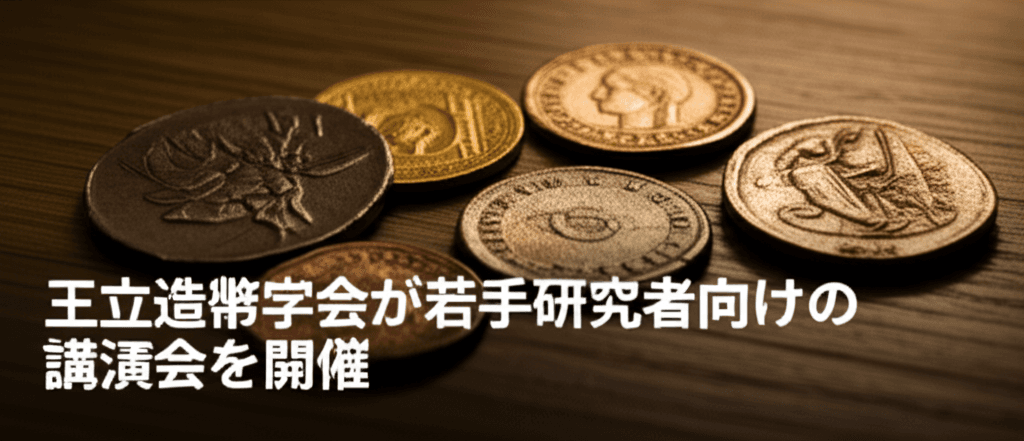
RNS February 2026 Lectures: How Early-Career Numismatists Shape Rare Coin Authentication Standards
The Royal Numismatic Society's February 2026 online lectures will accelerate knowledge democratization in the numismatics field, enabling the next generation of researchers to establish more rigorous authentication standards for rare coins.This initiative directly impacts the study of coins and numismatic research.
News Details and Background
The Royal Numismatic Society (RNS) has announced an exciting initiative aimed at fostering the next generation of numismatic scholars and researchers. This announcement comes as part of the organization's broader commitment to supporting early-career professionals who are dedicated to advancing the field of numismatics through rigorous academic research and knowledge dissemination. The RNS, one of the world's most prestigious numismatic institutions, recognizes the critical importance of nurturing emerging talent in a field that requires specialized expertise and scholarly dedication.
Two significant lectures have been scheduled for February 2026, to be delivered in an online format that will maximize accessibility for scholars and enthusiasts worldwide. This digital approach reflects the modern reality of academic discourse and ensures that geographical limitations will not prevent interested participants from engaging with cutting-edge research in numismatics. The decision to host these events online demonstrates the RNS's commitment to democratizing access to numismatic knowledge and fostering a global community of researchers.
The announcement, which gained visibility through the active coins community on Reddit, has already generated considerable interest among numismatists and academic professionals. This grassroots engagement highlights the genuine enthusiasm within the numismatic community for initiatives that support younger scholars. The RNS anticipates broad participation from the academic sector, including university faculty, graduate students, and independent researchers who maintain active interests in numismatic studies.
Historical Context
The Royal Numismatic Society has maintained its position as a leading authority in numismatic research and education for well over a century. Throughout its distinguished history, the organization has consistently prioritized the advancement of numismatic knowledge through scholarly publications, public lectures, and mentorship programs. The early-career lecture initiative represents a natural evolution of these longstanding commitments, adapted to meet the contemporary needs of emerging researchers.
Early-career support in numismatics has historically been fragmented, with many young scholars struggling to find platforms for their research and limited opportunities for meaningful networking with established experts. The RNS's formalized approach to supporting emerging talent addresses a genuine gap in the academic infrastructure surrounding numismatic studies. By creating dedicated spaces for early-career researchers to present their work and engage with peers, the society strengthens the entire field's intellectual foundation.
The timing of this initiative reflects broader trends in academic publishing and research dissemination, where early-career scholars face increasing pressure to establish their credentials and contribute meaningfully to their fields. The RNS's proactive stance in creating these opportunities positions the organization as a forward-thinking institution committed to sustainable growth and vitality within numismatic studies. This approach mirrors best practices observed in other specialized academic disciplines that have successfully established robust early-career development programs.
Numismatic Analysis
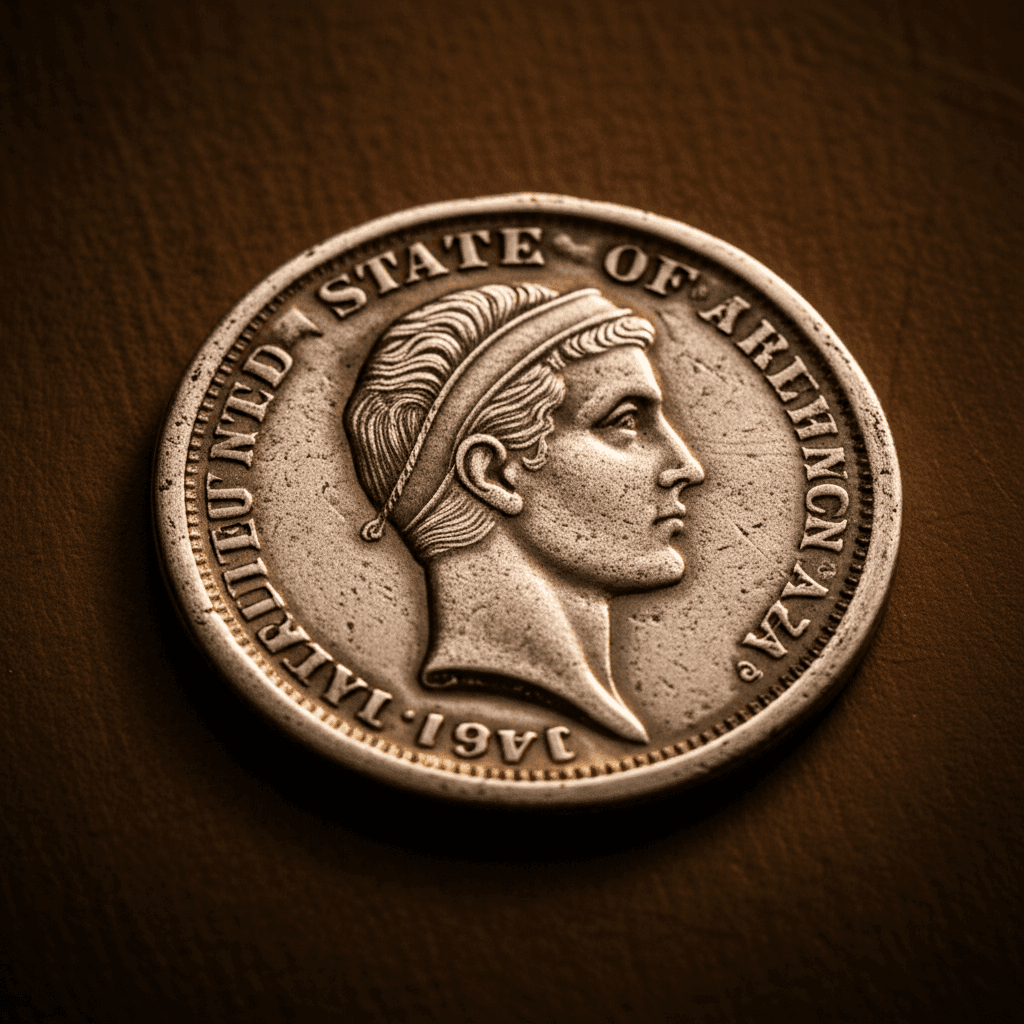
The focus on ancient coin research underscores the enduring intellectual richness of numismatics as an academic discipline. Ancient coinage offers researchers unprecedented access to historical information about economic systems, trade routes, political structures, and cultural values of civilizations that existed millennia ago. Each coin serves as a primary historical document, bearing the imprints of the societies that produced them and providing insights that complement or challenge information derived from literary and archaeological sources.
Early-career researchers in numismatics typically engage with specialized methodologies that blend elements of art history, archaeology, history, and economics. The coins they study often require expertise in metallurgy, iconography, epigraphy, and chronological analysis. The RNS lectures will likely showcase how contemporary early-career scholars are applying innovative analytical techniques, including digital imaging, statistical analysis, and interdisciplinary approaches to traditional numismatic questions. These methodological advances represent important developments in how researchers extract and interpret information from coin collections.
The study of ancient coinage continues to reveal new insights about historical periods previously considered well-understood. Recent research by early-career scholars has challenged conventional dating of certain coin series, identified previously unknown mint marks, and reinterpreted the political implications of design choices on coin obverses and reverses. Such discoveries demonstrate that numismatics remains a dynamic field where dedicated young researchers can make significant, peer-reviewed contributions to historical knowledge.
Market Trends and Price Analysis
While numismatic research conducted by academic institutions differs fundamentally from commercial numismatic markets, the broader trends in coin collecting and appreciation maintain important connections to scholarly interests. Ancient coins continue to command premium prices in auction houses and dealer markets, with specimens of exceptional provenance, rarity, or historical significance achieving increasingly impressive valuations. These market dynamics reflect growing appreciation for numismatic artifacts as both historical documents and aesthetic objects.
The collector market for ancient coins has expanded substantially over recent decades, driven partly by increased accessibility through online platforms and partly by growing recognition of coins as sound long-term investments. This expansion has created greater demand for expert knowledge and scholarly interpretation, making the work of academic numismatists increasingly valuable to collectors seeking to understand and authenticate their acquisitions. The RNS's support for early-career research directly contributes to the intellectual infrastructure that serves both academic and commercial numismatic communities.
Investment-grade ancient coins typically appreciate based on factors including rarity, condition, provenance documentation, and historical significance. Recent market observations suggest that well-documented coins with established scholarly credentials command stronger appreciation potential than specimens lacking such academic validation. This dynamic creates important incentives for comprehensive research and publication, as scholarly work adds tangible value to numismatic artifacts. Early-career researchers contributing new knowledge about ancient coinage thereby support both academic advancement and market stability.
Collector Significance
For serious numismatists and collectors, the advancement of scholarly knowledge represents a fundamental enhancement of their collecting experience and investment value. Collectors increasingly recognize that coins studied and documented by credentialed academic researchers carry enhanced historical value and market credibility. The RNS's investment in early-career scholarship therefore directly benefits the broader collecting community by ensuring a continuous pipeline of expert knowledge and detailed research.
The lectures scheduled for February 2026 will likely address topics of direct relevance to sophisticated collectors seeking deeper understanding of their acquisitions. Early-career researchers often focus on specialized areas of numismatic study—perhaps particular mint cities, specific historical periods, or coins bearing particular iconographic elements—that align with focused collector interests. Collectors following these emerging scholars gain access to cutting-edge analysis and interpretations that enhance both their scholarly appreciation and their ability to make informed acquisition decisions.
Educational initiatives like the RNS early-career lecture series strengthen the community of informed collectors capable of engaging meaningfully with numismatic scholarship. Collectors who attend these presentations gain insights into contemporary research methodologies and discover emerging scholars whose work may influence future numismatic understanding. This interaction between academic research and the collector community creates beneficial feedback loops that encourage both rigorous scholarship and sophisticated collecting practices.
Comparable Coins
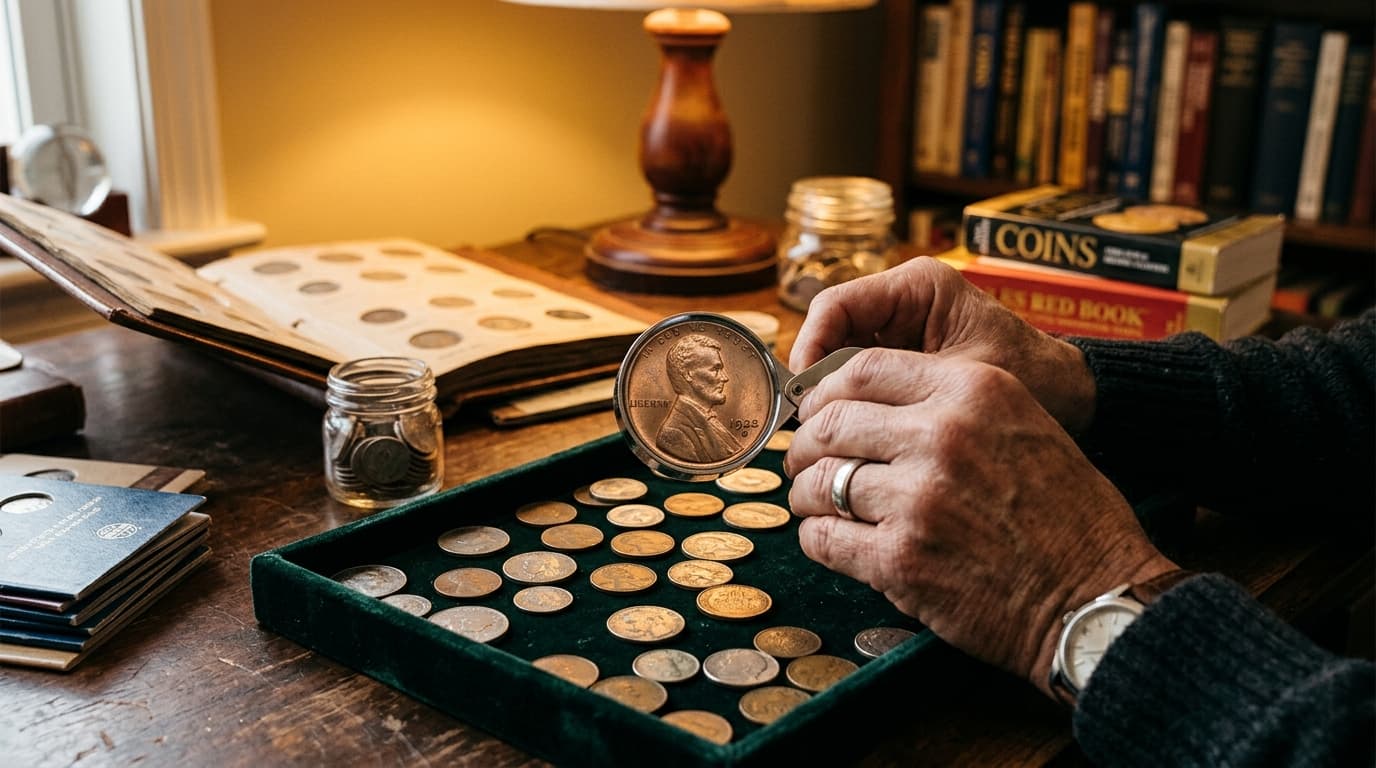
Ancient coinage encompasses an extraordinarily diverse array of objects, spanning multiple continents, numerous political systems, and roughly two millennia of continuous production. Greek coinage, Roman coinage, and the coinages of the Persian Empire, Egypt, and numerous other ancient societies each present distinct research opportunities and scholarly challenges. Early-career researchers often select particular subsets of this vast material for intensive study, allowing them to develop specialized expertise while contributing incrementally to broader numismatic understanding.
Comparative numismatic analysis—examining relationships between coins produced by different mints or during different historical periods—represents one of the most intellectually rewarding approaches available to researchers. Such analysis might involve comparing iconographic elements across a series of related coins, examining metallurgical compositions to understand trade relationships, or analyzing die varieties to reconstruct mint practices. The RNS lectures will likely showcase examples of how early-career scholars employ such comparative methodologies to generate new historical insights.
Roman Imperial coinage offers particularly rich opportunities for comparative analysis, as the extensive surviving evidence allows researchers to trace changes in design, denomination, and production practices across centuries of continuous minting. Similarly, the extensive coinage of Classical Greek city-states permits detailed comparative study of distinct political entities and their evolving relationships. Early-career researchers selecting such comparative projects position themselves to make significant contributions to established fields while developing research expertise that will serve them throughout their academic careers.
Authentication Considerations
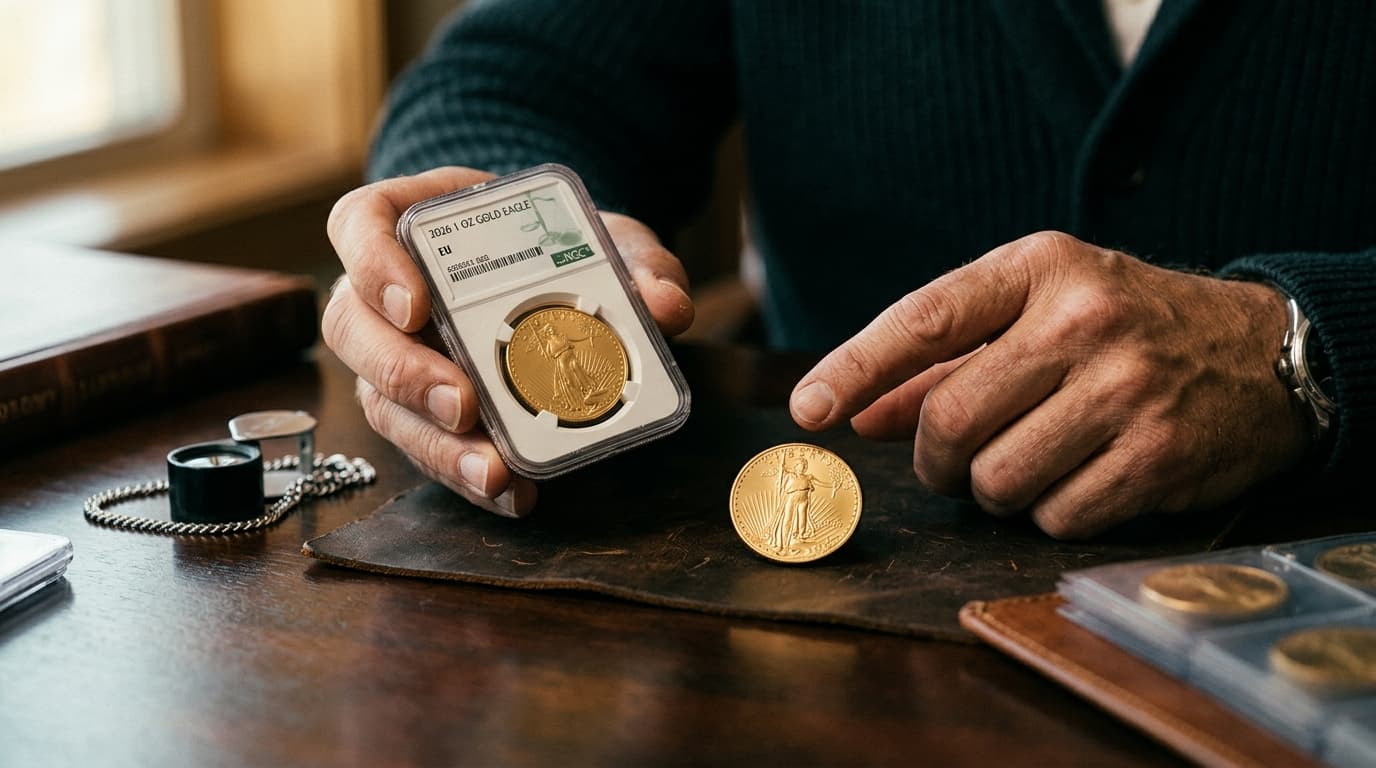
In contemporary numismatics, expert authentication constitutes an increasingly critical service, particularly as techniques for reproducing ancient coins have become more sophisticated. The field faces genuine challenges from both deliberate counterfeiting and from honest confusion regarding coins that have undergone significant restoration or alteration. Rigorous academic research, including work conducted by early-career scholars supported by institutions like the RNS, contributes essential knowledge to authentication processes.
Early-career researchers often engage with authentication questions during their investigations, learning to recognize diagnostic features that distinguish original coins from reproductions, restorations, or modern fantasy pieces. Understanding die characteristics, metallurgical composition, wear patterns, and patina development requires both theoretical knowledge and practical experience gained through extensive examination of authentic specimens. The RNS lectures will likely address how contemporary scholarship informs authentication practices and how researchers distinguish genuine ancient coins from sophisticated counterfeits.
The integration of non-destructive analytical techniques—including X-ray fluorescence, computed tomography, and high-resolution digital imaging—has fundamentally transformed authentication possibilities. Early-career researchers increasingly employ such technologies to examine coins in unprecedented detail, generating data that informs both historical interpretations and authentication assessments. These methodological advances represent important developments that benefit not only academic researchers but also collectors, dealers, and cultural institutions responsible for preserving numismatic heritage.
Future Outlook
The RNS's commitment to supporting early-career researchers through structured lecture series and mentorship opportunities suggests a positive trajectory for numismatic scholarship in coming years. By actively cultivating the next generation of expert numismatists, the organization ensures that the field will continue advancing intellectually and maintaining its position as a valuable contributor to broader historical and archaeological understanding. This proactive approach to professional development creates incentives for talented individuals to pursue careers in specialized numismatic research.
The February 2026 lectures represent a significant milestone in the RNS's broader strategy for sustaining and advancing numismatic scholarship. These events will provide platforms for emerging scholars to present their work to established experts and fellow researchers, facilitating the kind of peer engagement essential for professional development. Additionally, the online format will create permanent records of these presentations, potentially extending their educational impact far beyond the initial lecture dates and creating enduring resources for future scholars.
Looking forward, initiatives like these early-career lecture series likely signal the beginning of expanded investment in supporting emerging numismatic researchers. As the field continues evolving in response to technological advances and changing research methodologies, institutions like the RNS play increasingly vital roles in maintaining intellectual standards and fostering professional communities. The numismatic scholars supported today through such initiatives will shape the discipline's trajectory for decades to come, ensuring that ancient coins continue yielding new historical insights and enriching human understanding of past civilizations.
Related Articles
Weekly Market Intelligence
Weekly rare coin intelligence — auctions, price action, and analysis, delivered via LINE.
Free · Instant · Block anytime