Token Coins: Reassessing Unofficial Currencies as Collectibles
The appeal and market trends of token coins are a hot topic, exploring their history, value, and the community of collectors dedicated to them.
The Changing Valuation of Unofficial Currencies Issued by Merchants and Companies
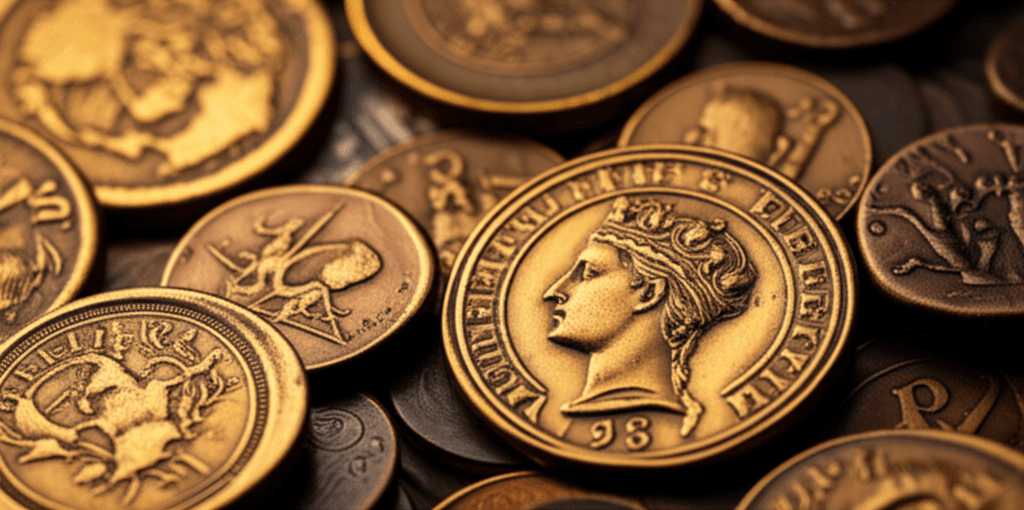
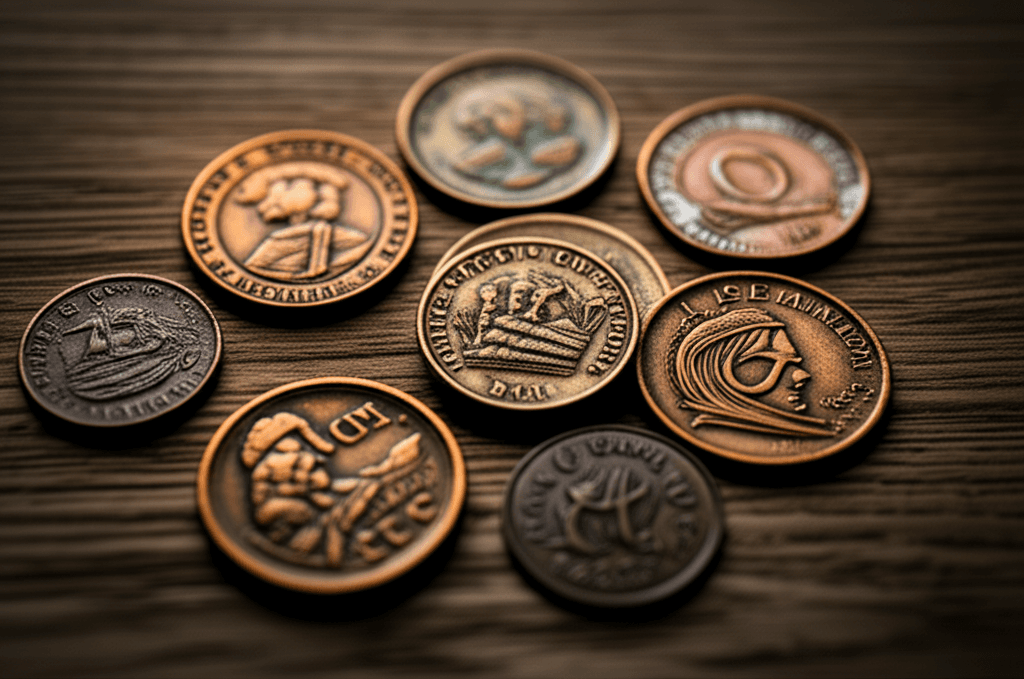
The term "token coins" is becoming increasingly common among collectors. These items differ from official currency issued by a government. They are, in a sense, unofficial currencies or substitute coins issued by merchants, companies, or specific organizations.
In the past, these coins were often treated as mere souvenirs or advertising media. In recent years, however, their valuation appears to be changing. Their significance as historical artifacts is being reassessed, and a growing number of people are viewing them as collectibles with investment potential.
18th-Century America: Metal Tokens Issued by Merchants to Alleviate Coin Shortages
Token coins sometimes become a topic of discussion online, but what exactly are they?
Token coins are not money issued by a state. The term refers to small metal currency created by individuals or companies for their own commercial purposes. While they were not legal tender, they functioned as a practical means of payment within specific regions or communities.
Their history is old, dating back to the early American period. From the late 18th to the 19th century, the United States faced a shortage of small-denomination coins, known as small cents. To remedy this coin shortage, many merchants and companies devised a solution: they created metal discs inscribed with their product names and circulated them in place of currency. This is considered the origin of token coins.
Subsequently, an even greater number of businesses, including railroad companies, department stores, restaurants, and amusement facilities, began issuing their own token coins.
The 'Golden Age' of Post-Civil War Growth and its Diverse Token Designs
Thanks to a recent discussion, 19th-century American token coins are once again a subject of debate. The focus is on those issued from the mid-19th to the early 20th century. In online forums, some refer to this period as the "golden age" of token issuance.
The backdrop was the rapid economic growth that followed the Civil War. As commercial activity flourished across the nation, countless businesses issued their own unique token coins.
It is for related reasons that collectors are drawn to these tokens. Designs vary greatly from one piece to another. Some are simple, bearing only the name of a shop, while others feature company logos or illustrations of products. Designs reflecting the popular culture of the era have also been discovered. Manufacturing methods were also diverse. Their origins range from pieces made using scrap metal from official mints to those hand-cast by local artisans.
From Department Stores to Railroads: Five Token Classifications by Issuer
While there are many ways to classify token coins, a common method is based on the issuer. This method divides them into five categories: commercial, transportation, amusement, industrial, and advertising.
Commercial tokens were issued by department stores, restaurants, and retailers and were used for purchasing goods in-store. Transportation tokens were mainly used for fares on railroads, buses, and streetcars. Amusement tokens were issued by facilities like amusement parks, casinos, and pubs for spending on-site.
Industrial tokens were from mining camps and
From Edo-Period Scrip to Showa-Era Medals: Japan's Unique Token History
Although token coin collecting developed in America, a similar history in Japan has become a topic of discussion.
In local commercial centers, specific merchant guilds reportedly created their own exchange slips, which helped to stimulate regional economies.
Later, from the early to mid-Showa period, department stores and amusement arcades began producing and distributing their own coins and medals to attract customers and improve convenience.
While the background and purpose of these issues differ from American tokens, they are seen as sharing common ground in terms of their value as collectibles. In recent years, interest in these domestic tokens has been growing among Japanese collectors, and research and collecting activities appear to be gradually increasing.
Fragments of History Absent from Official Records: Reading Social Customs from a Single Coin
It seems that the role of token coins as historical artifacts is once again being highlighted among some collectors. The appeal of deciphering the past from a single coin, beyond simply collecting them, has become a talking point.
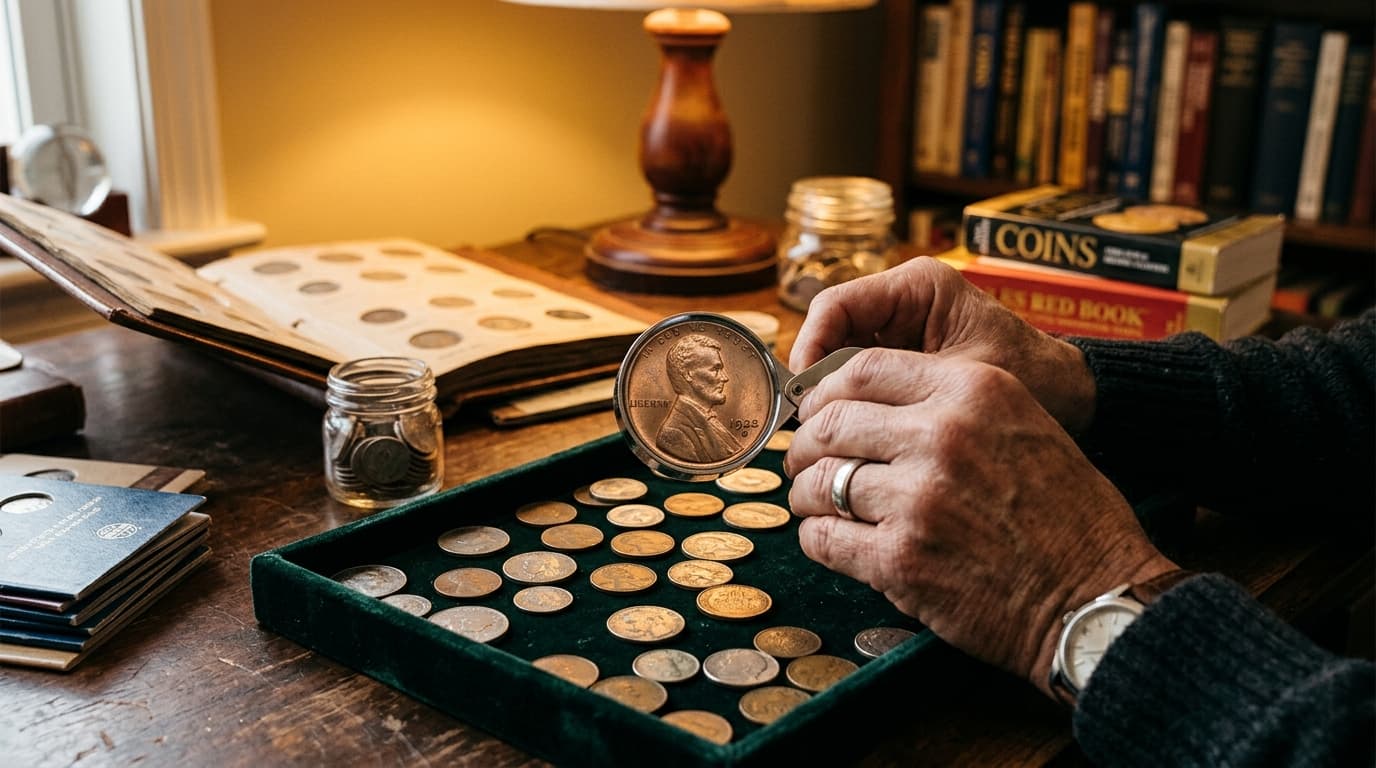
The issue date, inscriptions, material, and design of a token coin tell many stories. By carefully examining these details, one can reportedly infer the commercial activities, social customs, and even the technological level of the time.
Take, for example, a token coin used in 19th-century America. A close look can reveal information that has fallen through the cracks of official documentation. What products were popular? What companies were active? What were the economic characteristics of a particular region? The coins convey these fine fragments of history.
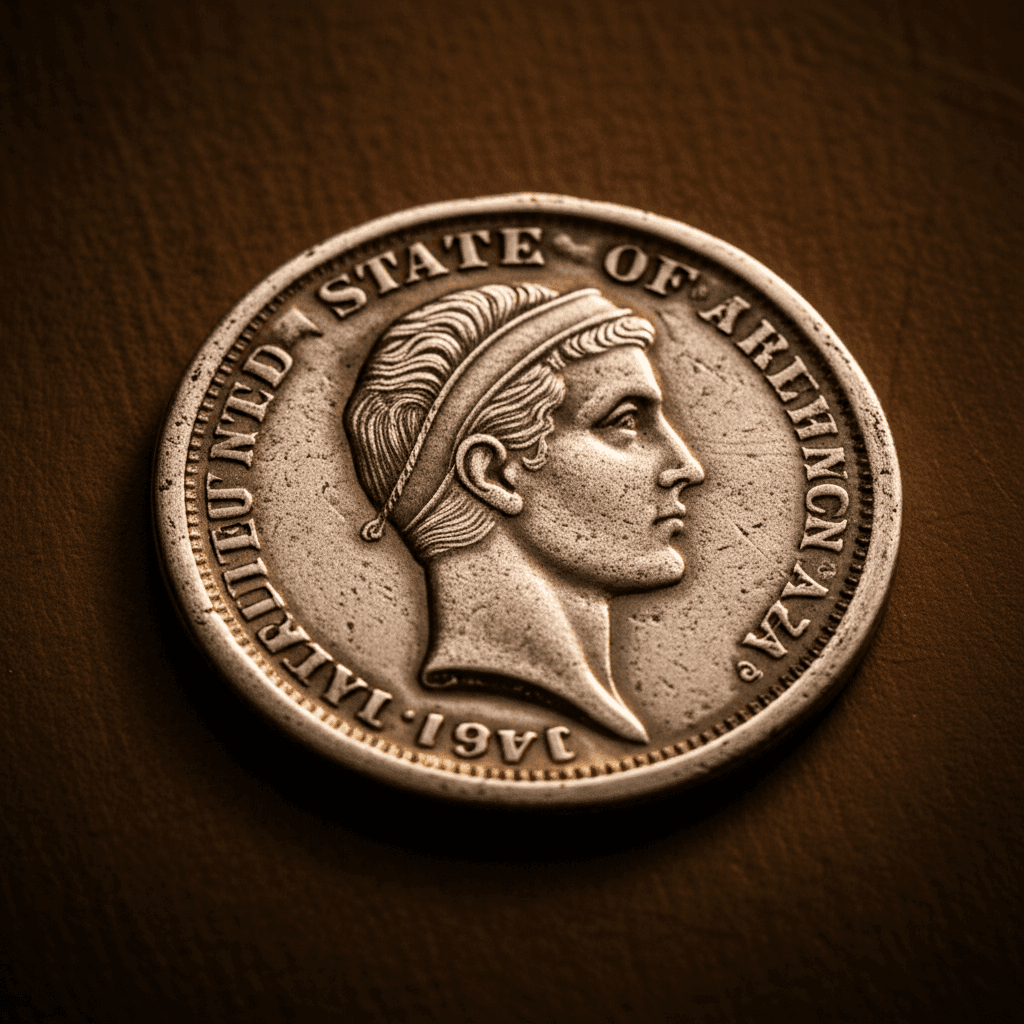
The designs depicted are also of great interest. One can appreciate not only the artistic sensibilities of the time but also decipher the meaning embedded in the imagery (iconography). The research and investigations of individual collectors may contribute to a deeper understanding of local, commercial, and cultural history.
Less Than 1% of Mintage Surviving? Rarity Underpins Investment Value
On an online numismatic forum, a discussion took place regarding why token coins are attracting attention as an investment. Participants explored the reasons why these items hold asset value beyond being mere collectibles.
The core of the discussion is their absolute scarcity, or rarity. For instance, the token coins issued during America's golden age were originally produced in limited quantities, with mintages for each type ranging from a few thousand to tens of thousands.
Even more important is the fact that many of those issued have not survived to the present day. Over the long years, many have been lost or melted down for their metal content, disappearing from the market. While this is just one perspective, it is even said that the number of surviving examples currently being traded may be less than one percent of the original mintage.
This extremely limited supply is met with demand from collectors. It is this imbalance, some point out, that supports the value of token coins.
Collecting tokens has become a topic of conversation.
Behind this change was the spread of the internet. Collectors could easily connect with each other online, leading to a vigorous exchange of information. The sharing of knowledge, previously confined to specialist publications, became open to everyone. Furthermore, the advent of online auctions made physical distance irrelevant. People could now buy and sell token coins with others around the world, regardless of where they lived.
In today's U.S. numismatic market, the token coin sector is still considered small compared to banknotes and official coins. However, some say its growth rate is outpacing the market average. It is widely recognized that prices for rare and high-condition pieces, in particular, are on the rise.
Rarity, Condition, and Historical Context: The Three Factors That Determine Price
Within the online collector community, the factors that determine the price of token coins have become a topic of discussion.
First, the most fundamental factor cited is "rarity." It is widely agreed that tokens with low mintage and very few surviving examples naturally command high prices.
Next, attention is paid to "condition." There seems to be a consensus that pieces in "Mint State"—that is, uncirculated and like new by international grading standards—are valued particularly highly.
Another crucial factor is "historical context." Does the token have a connection to a famous company or individual? Was it issued during a significant historical event? It is believed that such stories enhance value. One interesting point raised was that the value of an old token from a company that was obscure at the time of issue may be reassessed later if that company goes on to become highly successful.
Historical Research, Investment, and Aesthetic Appeal: The Intertwined Motivations of Collectors
Coin collecting once had the image of being a hobby primarily for older male history buffs. Recently, however, the demographics have begun to change. Female collectors and younger generations are starting to join the field.
Why do people collect coins? The motivations are as varied as the collectors themselves. Some collect for historical research. Others hope for future appreciation in value. Some are captivated by the beauty of the designs. And then there are those who simply enjoy the act of collecting itself.
What is interesting is that many people are not driven by a single reason. For example, one might research the historical background of a coin while also anticipating its future increase in price, and simultaneously enjoy the artistic beauty of the piece itself. It appears that several motivations are often intertwined.
From Numismatic Dealers to Online Markets and Accidental Demolition Site Finds
How to acquire token coins is a topic of renewed interest among collectors. There is more than one path to obtaining them.
The most traditional method is likely visiting a numismatic dealer. An experienced dealer can authenticate whether a coin is genuine. One can also expect a fair price based on their professional assessment.
Today, using the internet has become commonplace. Numerous token coins are listed daily on large online marketplaces. Collectors can select coins that match their interests and budget from the comfort of their homes. The number of specialized dealer websites has also increased, offering the benefit of considering a purchase while reading detailed descriptions.
Directly buying, selling, or trading with other collectors is also a common method. There are even cases, it seems, where tokens are discovered by chance at the demolition or renovation sites of old buildings.
The Challenge of Counterfeits: Even Experts Struggle to Identify 3D-Printed Fakes
As the token coin market grows, several challenges have become topics of discussion online. The most frequently mentioned concern is the increase in counterfeit items. It is pointed out that the rise in market prices has led to dealers, motivated by profit, introducing sophisticated fakes into the market.
Recent forgeries are made using new technologies like 3D printing and laser engraving. As a result, distinguishing them from genuine pieces made with older techniques is said to be difficult, even for experts.
The nature of online transactions is also a subject of debate. Some voices are raised about the risk of buyers getting caught in fraudulent transactions, as it can be difficult to fully verify a seller's reliability on marketplaces.
Additionally, there is still no established market price for token coins. This makes prices highly volatile and the market unstable, according to some opinions. The discussion suggests that to address these issues, the industry needs to enhance certification systems and expand professional authentication and grading services.
From X-ray Analysis to Slabbing: The Professional Authentication and Grading Process
How to ensure the reliability of token coins is a topic of conversation in the community. At the center of this is the authentication and certification process conducted by professional organizations.
Authentication begins with determining whether a coin is genuine. Non-destructive techniques such as X-ray fluorescence (XRF) analysis are used to examine the metal composition of the material. This is the first step in determining authenticity.
Next, a detailed visual inspection is performed by an expert. They observe the intricacy of the design, the depth of the strike, and the wear patterns that indicate its history of use. At this stage, the grader's years of experience and knowledge are said to be decisive.
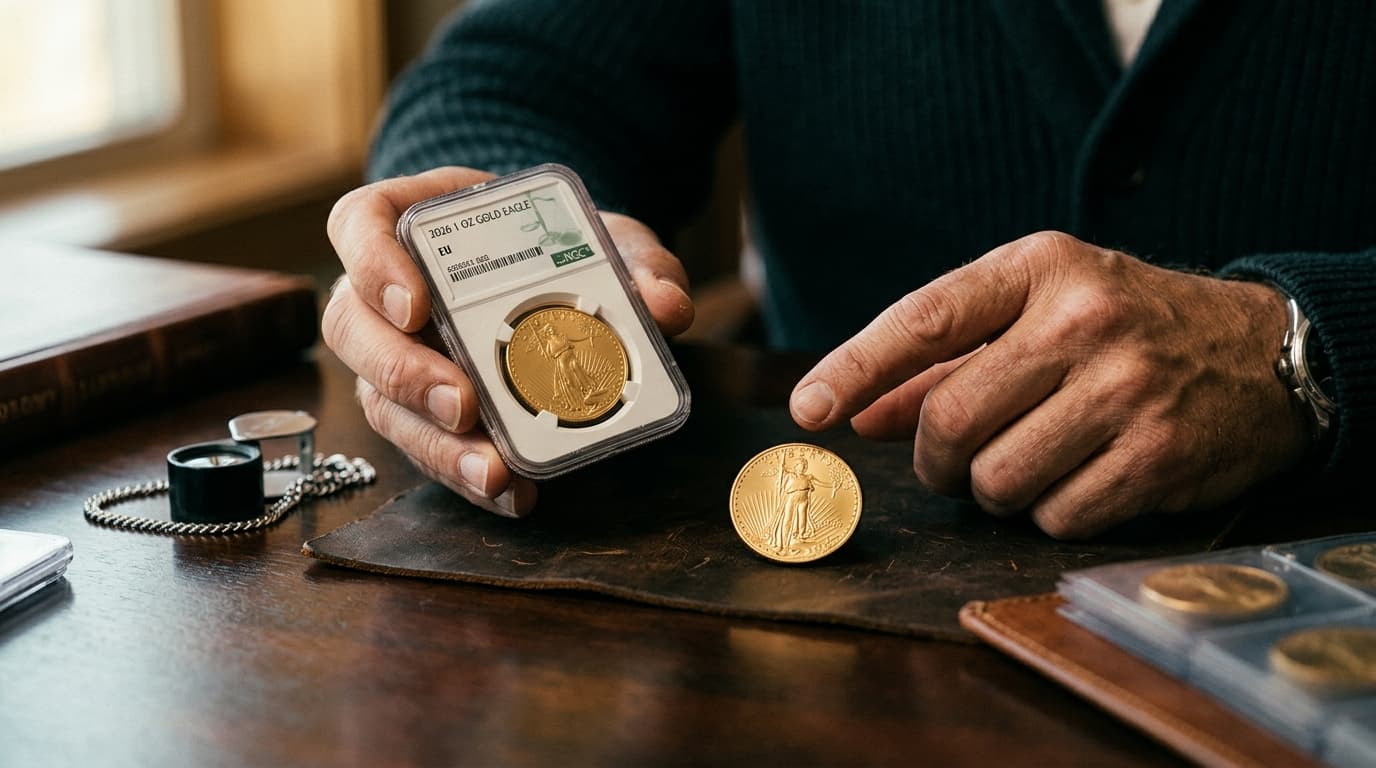
Finally, the coin's state of preservation is evaluated. A grade is assigned based on widely used international standards. From a pristine condition known as "Mint State" to heavily worn conditions, the state of the coin is indicated on an objective scale. Certified coins are sealed in a transparent case called a "slab," which guarantees their evaluation.
From Private Pursuit to Academic Subject: The Advance of Token Databases
The study of token coins was once centered on the activities of individual collectors. Recently, however, universities have begun to treat them as subjects for research in socio-economic and local history.
Several American universities are engaged in projects to create databases of token coins. In these projects, known tokens are cataloged one by one, accompanied by digital images and detailed data, and made available online. This makes the information more accessible not only to researchers but also to collectors and history enthusiasts.
The number of academic papers and dissertations dealing with token coins is also increasing. Through this research, new discoveries are being reported in fields such as 19th-century American labor and commercial history. The activities of companies and people of the time, which were not recorded in official historical documents, are gradually coming to light.
Token Shows and Online Forums: A Thriving Scene for Collector Interaction
Interaction among token coin collectors is reportedly becoming more active. Venues for this exchange are expanding, both through offline events and online communities.
In the United States, for example, several large-scale token shows are held each year. Collectors from all over the country gather to buy, sell, or trade items from their collections. But the purpose is not just trading. Lectures and workshops by experts are also held, providing opportunities to learn specialized knowledge about topics like authentication, preservation methods, and historical context. These events seem to function particularly well as a place for novice collectors to meet experienced veterans and seek advice.
Online communities are also expanding in scale. In specialized forums and social media groups, collectors exchange information day and night. The absence of geographical constraints makes it possible to connect with collectors from all over the world.
How to Start Collecting: 'Starting Expensive Isn't Wise,' Advise Veterans
For those new to token coin collecting, various pieces of advice are exchanged in online communities. Let's follow the discussion on where to begin.
First to be discussed is narrowing down a collecting theme. Many voices say, "The first step is to clarify your area of interest." By setting a theme, such as a specific era, region, or industry, a collection gains coherence. This, in turn, is said to make the collecting activity more fulfilling and meaningful.
Next, how to acquire knowledge is a frequently debated point. Specific methods mentioned include reading introductory books on token coins, utilizing online resources, and seeking advice from experienced collectors.
Precautions for purchasing are also a key topic that is repeatedly discussed. There is a consensus, in particular, that one should choose reputable sellers. When buying online, checking a seller's reputation is strongly recommended. It is also noted that detailed product descriptions and clear return policies are important factors.
The use of a budget is also actively debated. Many experienced collectors advise that "it is not wise to go for expensive items from the start." The prevailing view seems to be that it is better to start by purchasing a few quality items in an affordable price range to experience various types. Through this process, one can explore the direction their collection should take.
The Dangers of Cleaning Without Expert Advice: Harming a Coin's Value
In an online community, methods for preserving token coins became a topic of discussion. Many opinions were exchanged on how to maintain the value of a collection over the long term.
Preventing oxidation and corrosion is particularly emphasized. Since most token coins are made of metal, they react to moisture and atmospheric gases. It was pointed out that in an unsuitable environment, deterioration can proceed rapidly. The posts recommended storage in a place with stable temperature and humidity. A dark location is apparently preferable to avoid discoloration and oxidation caused by light.
Regarding the direct cleaning of coins, cautious opinions were prominent. This is because cleaning without expert advice risks scratching the surface and significantly diminishing the coin's value. There were comments that even if cleaning is necessary, it should be limited to a gentle wash with distilled water, followed by dabbing off the moisture with a soft cloth.
Optimism Over a New Generation of Collectors vs. Caution Amid Economic Uncertainty
A lively debate is taking place about the future of the token coin market.
Optimistic views anticipate continued market growth. Behind this is the entry of new collectors, especially from younger generations. The digital skills and marketing approaches they bring may enhance market transparency and stimulate more active trading. Additionally, advancements in academic research and the establishment of certification systems are seen as factors supporting market credibility.
Of course, there are also cautious opinions. External factors such as an economic recession or a shift in popularity to other investment assets could cause the market's growth to
Hearing the Voices of a Lost Era: The Collector as a 'Steward of History'
Collecting token coins is described as an activity that is more than just a hobby. This is because it combines several aspects: historical inquiry, economic study, and the discovery of cultural value. Tokens made in America from the 19th to the early 20th century, in particular, are regarded as valuable clues for understanding the commerce and social life of the time.
Their potential as an investment is also noted. As the challenges facing the market have been addressed and authentication and certification systems have become more established, the transparency and reliability of transactions have improved. There is a view that these changes may attract new investors who were previously not interested in this field.
Some collectors see themselves not merely as hobbyists but as "stewards of history." They listen for the voices of a lost era in the letters and images engraved on a small metal disc and convey them to the present day. In this way, collecting token coins seems to be perceived as an activity that connects the past with the present.
Related Articles
Weekly Market Intelligence
Weekly rare coin intelligence — auctions, price action, and analysis, delivered via LINE.
Free · Instant · Block anytime