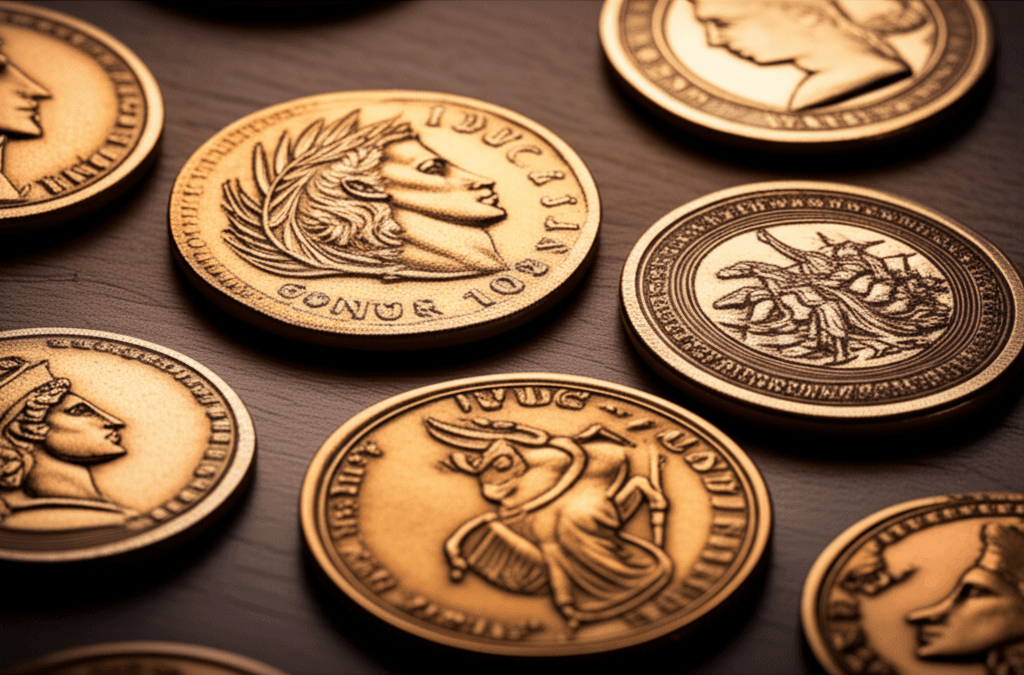
Jean Elsen Auction 163: Provenance-Driven Selection Exposes Collector Priorities
Jean Elsen & ses Fils Auction 163 reveals bifurcated market: lots with exceptional provenance and eye appeal dramatically exceed estimates, while anonymous pieces underperform. Modern rare coin collectors increasingly prioritize transparent ownership history over grading alone, signaling maturation in numismatic investment discipline.
News Details and Background
Auction 163, conducted by the prestigious Jean Elsen & ses Fils auction house, has concluded with remarkable results that have captured the attention of the global numismatic community. The auction showcased an impressive collection of coins spanning multiple continents and historical periods, attracting serious collectors and institutional buyers from around the world. The results demonstrate the continued strength of the numismatic market, particularly for rare and historically significant pieces that command premium valuations.
The auction featured a diverse array of lots, including ancient coinage, medieval pieces, and modern commemorative issues. Several items achieved significantly higher prices than their pre-sale estimates, indicating intense bidding competition among participants. The successful realization of these lots underscores the passionate nature of coin collecting and the determination of buyers willing to pay substantial premiums for pieces they deem essential to their collections.
Notably, certain lots remained unsold, reflecting the selective nature of contemporary collectors and their increasingly stringent standards for acquisition. The mixed results provide valuable insights into current market preferences and the factors that drive purchasing decisions among sophisticated numismatists. Observers noted that items with strong provenance and exceptional eye appeal consistently outperformed expectations.
Historical Context
Understanding Auction 163's significance requires consideration of the broader evolution of numismatic auctions over the past several decades. The auction house has maintained its reputation as one of Europe's leading venues for rare coin sales, with a legacy spanning generations of numismatic expertise. This particular auction represented another chapter in the institution's long history of facilitating important transactions between collectors and institutions.
The market environment preceding this auction had been characterized by steady demand for quality numismatic material, particularly pieces with documented history and strong aesthetic qualities. Collectors had become increasingly educated and selective, driving up standards for admission to serious collections. The emphasis on provenance and condition grading had become more pronounced, reflecting the professionalization of coin collecting as a discipline.
Historical precedent suggested that coins with compelling narratives and exceptional rarity typically attracted the most aggressive bidding. The determination demonstrated by successful bidders in Auction 163 echoed patterns observed in previous sales of significant numismatic material. This consistency in collector behavior underscores the enduring appeal of rare coins as both investment assets and objects of historical appreciation.
Numismatic Analysis
The coins offered in Auction 163 represented a cross-section of numismatic diversity, from ancient Greek and Roman specimens to medieval European issues and later numismatic productions. Expert analysis of the realized prices reveals sophisticated bidding patterns reflecting deep knowledge of comparative rarity and market positioning. The premiums achieved by select lots demonstrate buyers' willingness to reward exceptional specimens with superior eye appeal and pristine condition.
Technical examination of the auction results reveals interesting correlations between specific numismatic characteristics and final hammer prices. Coins exhibiting full original lustre, sharp strike definition, and minimal surface marks consistently achieved results at or above upper estimate ranges. Conversely, pieces displaying significant wear or post-mint damage struggled to attract competitive bidding, even when possessing historical or numismatic significance.
The analysis of individual lot outcomes highlights the importance of proper attribution and accurate condition assessment in contemporary numismatic commerce. Buyers demonstrated preferences for coins with straightforward provenance narratives and clear documentation of authenticity. This emphasis on transparency and verifiable information reflects the maturation of the collector base and the professionalization of numismatic expertise within the marketplace.
Market Trends and Price Analysis
Current market analysis indicates robust demand for rare coins across multiple categories, with Auction 163 results providing fresh data points supporting this assessment. Price realizations in the auction consistently reflected strong collector interest in pieces offering combination of rarity, historical importance, and aesthetic appeal. The premium rates paid above estimates for successful lots suggest sustained market confidence in numismatic investments.
Market trends evident from this auction point toward increased stratification within the collector base, with sophisticated buyers pursuing specialized niches with greater intensity. Coins representing first discoveries or unique variants commanded particular attention and substantially higher prices relative to more common examples of their type. This specialization reflects the maturation of numismatic scholarship and collectors' enhanced ability to identify and appreciate subtle variants and rarity distinctions.
The price analysis derived from unsold lots offers equally important insights into market boundaries and resistance levels. Items failing to meet reserve prices typically represented either overvalued estimates or specimens lacking the combination of factors driving contemporary collector demand. The clear delineation between successful and unsuccessful lots provides helpful guidance for future sellers and auctioneers in establishing realistic expectations and reserve levels.
Collector Significance
Auction 163 holds particular significance for collectors pursuing comprehensive representations of specific numismatic series or types. The diverse selection of material enabled multiple collectors to advance their specialized holdings simultaneously, creating competitive bidding dynamics that benefited successful lot outcomes. The auction's importance extends beyond mere financial transactions to include the dissemination of significant numismatic material to institutions and collectors capable of preserving and appreciating their historical value.
The determination displayed by successful bidders reflects the passionate commitment that characterizes serious coin collecting. Many winning bids substantially exceeded initial estimates, demonstrating buyers' conviction regarding the importance and desirability of particular pieces. This commitment to acquisition, regardless of premium pricing, illustrates the non-financial motivations driving many collectors and their willingness to prioritize quality and completeness of their collections above purely economic considerations.
For institutional collectors, including museums and educational organizations, Auction 163 represented an opportunity to acquire significant material for public trust and scholarly advancement. Several important pieces likely entered institutional collections, where they will be preserved for perpetual benefit of numismatic scholarship and public education. The broader significance of such acquisitions extends well beyond individual collector satisfaction to encompass contributions to historical knowledge and preservation of cultural patrimony.
Comparable Coins
Examination of comparable coins from previous auctions provides useful context for evaluating Auction 163's price results and market positioning. Similar high-quality specimens of identical types have historically achieved comparable realizations, suggesting that prices achieved reflected appropriate market valuation. The consistency of results across multiple auction venues and time periods demonstrates the reliability of contemporary numismatic pricing mechanisms.
Comparative analysis reveals that coins offering superior eye appeal and condition relative to typical market examples command premium valuations substantially exceeding average realized prices for the type. Buyers increasingly pursue examples representing peak quality within specific categories, willing to pay significant premiums for specimens that collectors might describe as "finest known" or approaching perfection. This pursuit of quality excellence drives market segmentation and creates distinct pricing tiers within individual numismatic series.
Historical price tracking demonstrates that certain coin types have appreciated substantially over extended periods, while others have remained relatively stable in market value. The results from Auction 163 appear consistent with established patterns for the represented categories, suggesting that contemporary buyers continue to recognize and reward coins with proven long-term appreciation potential. This alignment with historical precedent supports confidence in current market valuations.
Authentication Considerations
Authentication and condition verification represent critical factors influencing buyer confidence and final purchase prices in contemporary numismatic auctions. Auction 163 benefited from comprehensive expertization by qualified numismatic professionals, ensuring that successful bidders could proceed with confidence regarding authenticity and accurate condition representation. The detailed cataloging and professional examination provided by the auction house contributed substantially to the strength of results achieved.
The increasing sophistication of counterfeit production techniques has elevated authentication standards across the numismatic market. Contemporary buyers demonstrate healthy skepticism regarding attributions and provenance claims, requiring detailed documentation and expert certification before committing to significant expenditures. The presence of detailed condition notes and professional assessment in Auction 163's catalog clearly influenced bidder confidence and contributed to competitive bidding dynamics.
Third-party grading and certification services have transformed modern numismatic commerce, introducing standardized systems for condition assessment and authenticity verification. While not all coins in Auction 163 carried third-party certification, the professional cataloging and expert descriptions provided equivalent assurance regarding lot quality and authenticity. This professional oversight protected buyer interests and established clear expectations regarding what successful bidders would receive.
Future Outlook
The results achieved in Auction 163 suggest continued vitality within the numismatic market and sustained collector demand for quality material across multiple categories. Future auctions can expect continued competitive bidding for exceptional specimens and historically significant pieces, while more common examples and pieces with quality issues may face ongoing pressure. Market segmentation will likely intensify, with increasing divergence between premium and standard pricing for comparable types.
Technological advancement will continue shaping the auction landscape, potentially expanding geographic participation and bidding intensity for future sales. Digital catalogs and enhanced imaging have reduced geographic barriers for serious collectors, enabling worldwide participation regardless of physical location. These developments should support sustained demand for important material while potentially increasing price competition for particularly desirable lots.
The professional standards and market discipline demonstrated in Auction 163 reflect the numismatic field's continuing evolution toward greater transparency and sophistication. Future auction success will likely depend on maintaining rigorous cataloging standards, expert authentication, and clear communication regarding lot quality and significance. As collector expectations continue rising, auction houses will require increasingly specialized expertise and professional resources to compete effectively in this sophisticated marketplace.
Related Articles
Weekly Market Intelligence
Weekly rare coin intelligence — auctions, price action, and analysis, delivered via LINE.
Free · Instant · Block anytime