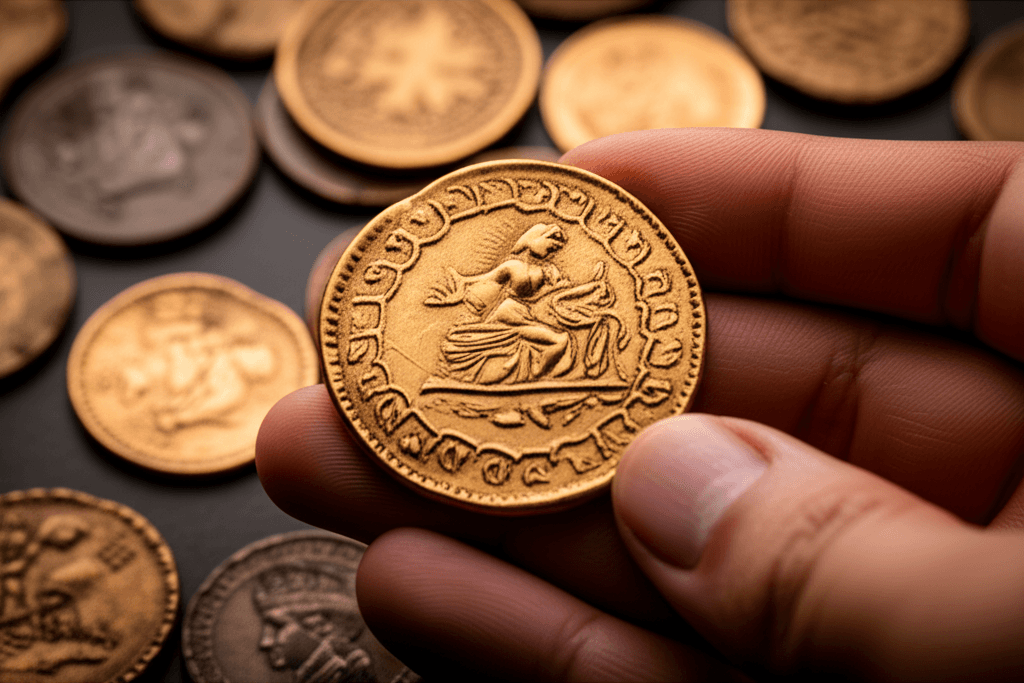
Novice Collectors Face 3 Major Pitfalls in Kecho Koban Market
Market

Novice Collectors Face 3 Major Pitfalls in Kecho Koban Market

Verdict:Verdict: Pre-purchase authentication via professional graders mandatory; self-judged acquisitions carry 50% counterfeit risk + 30-50% overpayment exposure.
Summary

An exploration of common mistakes made by new coin collectors, with insights and advice on how to avoid them.

An Intellectual and Stimulating Hobby, Yet One Where Beginners Stumble

Many describe coin collecting as an intellectual and stimulating hobby. It is often praised as a window into history and a way to deepen one’s knowledge of economics. Some are also drawn to its value as an investment. This is likely why it is beloved by a wide range of people, from beginners to advanced collectors.

However, every hobby has common pitfalls for newcomers, and numismatics is no exception. By knowing these patterns in advance, one can lead a more fulfilling life as a collector. This piece will explain the problems that people new to collecting often face and how to solve them.

Why Do Collectors Buy Counterfeits? The Key is Understanding 'Natural Wear'

A story posted in an online group about purchasing a counterfeit coin, believing it to be genuine, has sparked debate among many collectors. This problem seems to be particularly common for beginners.

According to the post, collectors who lack sufficient knowledge and experience are at risk of buying sophisticated forgeries at high prices. Especially in online transactions, it is not easy to distinguish between genuine and fake coins from photographs alone.

One countermeasure repeatedly mentioned in the discussion was the importance of acquiring foundational knowledge. This includes understanding the minting technology of the era in which the coin was made and the characteristics of different materials. Knowing the patterns of natural wear seen on genuine coins is also considered effective. This information can be learned from books and online resources.

In addition, some argued that the experience of observing as many genuine coins as possible is indispensable. It seems that developing a feel for the texture of authentic pieces helps train the eye to spot fakes.

Another preventative measure raised was the point of purchase. Choosing a trustworthy seller—such as a dealer certified by a grading service or a long-established specialty shop—appears to significantly reduce risk.

'Worth Hundreds of Thousands of Yen'—Is It True? Rarity and Condition Determine Price

In an online collector community, the difficulty beginners face in evaluating prices has become a topic of discussion. The issue of collectors, particularly those who started with the goal of making a profit, taking high price information seen on the internet at face value was pointed out.

One post stated that it is dangerous to decide on a purchase based solely on information like, "This old coin is worth hundreds of thousands of yen." A coin's actual market price is not determined by a single factor. It is comprehensively evaluated based on how rare the coin is (rarity), the extent of scratches or blemishes (condition), and how many people currently want it (supply and demand). The coin's historical context is also a factor that influences its price.

So, how can one determine a fair price? During the discussion, it was suggested that instead of relying on a single source, it is effective to compare catalogs issued by multiple reliable coin dealers. This allows one to confirm the actual price range at which the same type of coin is being traded.

It was also shared that the value of a coin is constantly changing. For example, advances in historical research can bring a previously overlooked coin into the spotlight, while a decline in popularity can cause its value to fall.

Ultimately, many experienced collectors agreed on an attitude that is not solely fixated on price. The idea is to enjoy the history behind the coin and the beauty of its design. With such motivations, one can derive satisfaction from the act of collecting itself, without being swayed by market price fluctuations.

Does Touching a Coin with Bare Hands Lower Its Value? Humidity and Light Cause Rust and Discoloration

A post from a collector has become a hot topic in the community, highlighting that a coin's value is significantly affected not just by its historical background but also by its state of preservation.

According to the post, beginners in particular tend to make mistakes in how they store their newly acquired coins. Examples include leaving them in a high-humidity environment or displaying them in direct sunlight. It was also pointed out that using improper containers can accelerate a coin's deterioration. Such mistakes can significantly diminish the value of a collection.

In the ensuing discussion, basic storage methods were re-emphasized. First, an environment with stable humidity and temperature is considered crucial. To prevent fading and discoloration from light, measures such as using special cases that block UV rays were also mentioned.

The precautions for handling coins directly also drew many reactions. Touching a coin with bare hands leaves skin oils and sweat on the surface. Since this can trigger rust and discoloration, using cotton gloves was recommended. Some also opined that frequently taking coins out to check their condition should be avoided.

'What Was I Even Collecting?' Unfocused Collecting Strains the Budget

In an online forum, a pattern that many new collectors fall into became a topic of discussion: buying any interesting coin on sight without deciding on a clear theme.

According to one post, everything seemed rare at first, leading the collector to buy coins from various eras and regions. However, this quickly exhausted their limited budget. It also resulted in a collection that lacked coherence, making them look back later and wonder, "What was I even collecting?"

In response to this post, other collectors suggested that one should first decide on a collecting theme. For instance, one could narrow their specialty to areas like "Edo period currency," "han-satsu (clan notes) issued by a specific domain," or "only holed coins." This gives purpose to each purchase and helps build a more focused collection.

Many also stressed the importance of budget management. The prices of old coins range from a few hundred yen to over several million yen. Therefore, setting a personal budget—such as a monthly or annual limit—is considered a key to avoiding unplanned expenditures. Creating a list of one's current collection to prevent duplicate purchases was also shared as an effective method.

'It Looked So Beautiful in the Photo.' Preventing Mistakes with Seller Ratings and Magnified Images

Online transactions for antique coins are now mainstream. However, this has also led to discussions about unexpected mistakes made by beginner collectors. A particularly common problem is a significant difference between the photograph and the actual condition of the coin. Depending on the lighting and angle of the photo, a coin can appear more beautiful than it really is. As a result, some collectors have voiced disappointment with the items they received.

So, how can one avoid these online pitfalls? Several key checks have been shared within the community. First, it is important to carefully read the seller's ratings and past reviews. It is also crucial to ask questions before making a purchase. Choosing a specialized trading platform is also mentioned as one option.

The information provided by the seller is also a basis for judgment. For example, are there photos from multiple angles or under different light sources, not just a single image? Are there magnified photos that show fine details? The presence of a detailed description is also considered an indicator of the seller's integrity.

The Overlooked Option: Authentication as Insurance Before Buying Expensive Coins

On a forum for collectors, methods for preventing beginners from making costly mistakes became a topic of discussion. The use of official grading services received particular attention.

One post pointed out that many beginners overlook this option. In Japan, for example, several private organizations are active in the authentication and certification of old coins. By submitting a coin to such an institution, one can confirm its authenticity. It is also possible to have its condition evaluated and its fair market value assessed.

Many agreed that before purchasing an expensive coin, one should seek an expert's appraisal. While there is a fee for grading, many voices suggested that this is worthwhile "insurance" when considering the risk of buying a counterfeit or paying an unfairly high price. It was also noted that interacting with experts at grading services increases one's own knowledge and sharpens one's eye.

A coin that has been issued a certificate by a grading service is advantageous when it comes to a future sale. The certificate provides objective proof of its value, allowing buyers to transact with confidence. The discussion concluded that this also helps protect one's collection as an asset.

Online Searches Aren't Enough: Why Catalogs and Specialized Books Are Essential Benchmarks

In an online community, a discussion arose about how beginners can avoid mistakes caused by a lack of knowledge. This brought renewed attention to the importance of learning from specialized books and catalogs.

While information can be easily found online today, many collectors agree that books are still the most efficient way to learn reliable information systematically. For example, standard catalogs like "Nihon Kosen Gaku Koza" and books on local history were mentioned. By reading these carefully, one can steadily build a foundation of knowledge about coin types, historical periods, and regional characteristics.

Furthermore, having several reliable reference books on hand provides a standard for judgment when it matters most. In addition to purchasing books, it is also possible to borrow them from a library or utilize the detailed exhibition catalogs sold at museums. It was shared that building one's own library of knowledge using these resources is a sure path, even if it seems like a detour.

Mistakes That Could Have Been Avoided: How Fellow Collectors Become an Information Network

There is one thing many people overlook when they first start collecting coins: connecting with other collectors. Continuing to collect alone, without consulting anyone, can lead to mistakes that could have been avoided.

This risk is greatly reduced by having opportunities to interact with experienced collectors. Regional numismatic societies, collector meetings, or online forums can serve as a gateway.

In these venues, you can hear firsthand about the failures and successes of other members. If you have a technical question, you may get an answer from someone knowledgeable. Sometimes, you can even receive valuable advice on coin authentication.

Moreover, through word-of-mouth among collectors, you can get information on reliable coin dealers and grading services. This is an incredibly valuable information network for a beginner. The feeling of having peers who share the same hobby provides psychological support for continuing your collecting activities. Interaction deepens the enjoyment of collecting itself and fosters the motivation to continue for the long term.

Finding an Approachable Expert: The Value of a Dealer Who Answers Questions

On an online forum, the topic of how beginner collectors can avoid common pitfalls is being discussed. A frequent opinion is the importance of building a relationship with a numismatic expert for consultation. Many beginners, it is said, have no one they can easily ask when they are unsure, leading them to make poor judgments.

Coin dealers with an educational approach are mentioned as a primary resource. By finding a dealer who patiently answers questions from beginners and building a relationship, one can receive ongoing advice. For those wishing to deepen their academic knowledge, creating opportunities to consult with professors in university history or archaeology departments is also considered an effective method.

From such experts, one can expect advice on the condition of their collection and future collecting strategies. Posts indicated that since information on market trends can also be obtained, it is a great help in setting the overall direction of one's collecting activities.

Before You Overspend: Planning for Storage Holders and Grading Fees

The topic of budget management failures common among beginners is being discussed in a collector community. When they find an interesting coin, they tend to spend more than they planned. Many people seem to share this experience, and there is a consensus that planned financial management is essential to enjoying a collection for a long time.

First, it is pointed out that the basic step is to set a spending limit for collecting, either monthly or annually. Within that budget, one must decide on their collecting style: aim for a few expensive items, or gather many pieces in an affordable price range.

There are also often-overlooked costs separate from the purchase price of the coins themselves. These include money for storage holders, reference books, and grading. If these maintenance costs are not included in the budget from the start, one may face unexpected expenses later. This point was emphasized in many posts.

What Is Your Collection Worth Today? Tracking Market Trends by Comparing Catalogs

A post about the value of antique coins became a topic of discussion in an online community. The value of coins constantly fluctuates due to economic conditions and collecting trends. However, the post pointed out that few collectors continue to check the price of their collection against subsequent market movements after acquiring it.

In response, several specific methods for tracking the value of a collection were shared. One is to periodically compare catalogs issued by multiple coin dealers. By recording the prices at which the same type of coin is being traded, market trends become visible. Reading specialized websites and newsletters also helps in understanding market dynamics.

On the other hand, some voices urged caution against chasing only the numbers. The opinion was that one should not get caught up in short-term price fluctuations. The post concluded that only by observing price trends over a longer period, such as several years, can one distinguish between a temporary fluctuation and a true rise in value recognized by the market.

Buying Without Learning is Risky: Knowledge is Key to Spotting Rare Varieties

The collecting style of beginners became a topic of discussion in an online community, sparked by a post asking, "Aren't many people deciding to buy without learning about old coins?" The point was that many collectors proceed without basic knowledge of coin names, the eras they were made in, or technological changes.

Many collectors have responded to this opinion, stating that knowledge enables better judgment. For example, it gives one the ability to distinguish between a standard coin of an era and a rare, low-mintage variety. Understanding regional differences also helps in finding a truly valuable piece.

Voices were also raised saying that learning the historical background of coins adds depth to the collecting activity itself. By combining knowledge from different perspectives—such as era, region, and material—one can read more stories from a single coin.

Fake Certificates and 'Unbelievably Low Prices': Classic Scams Targeting Beginners

In an online community, scams targeting people who have just started collecting old coins are a topic of discussion. The point is that collectors with insufficient knowledge are particularly vulnerable.

Three main tactics are frequently mentioned in posts. The first is presenting a forged certificate of authenticity as genuine. The second is the case where the coin itself is a counterfeit. And the third is not sending the item after receiving payment.

There is also discussion on how to prevent such damage. The vast majority of collectors agree that offers like "a genuine rare coin available at an unbelievably low price" should be treated with suspicion from the outset.

Payment methods are also considered an important point. The opinion is that transactions where the seller specifies only a bank transfer and does not allow refunds are particularly risky. It is recommended to choose methods that protect the buyer, such as credit card payments or escrow services where a third party temporarily holds the funds. Researching the seller's reputation beforehand is also shared as an effective self-defense measure.

Before You Forget 'When and Where I Bought It': Creating an Inventory with a Spreadsheet

The challenges of collection management became a topic of discussion in an online numismatic community. As the number of collected items increases, management becomes difficult. Beginners, in particular, tend to neglect recording details for each coin. As a result, they end up not knowing when, where, or for how much they acquired each item, a common failure story that was shared.

To avoid this confusion, many members recommend using spreadsheets or database software to create a detailed inventory for each coin. The recommended fields to record include the coin's type and description, purchase date and source, and the price paid. Adding details like current estimated value, condition, photos, and information from grading services can create an even more comprehensive record.

With such an inventory, you can always have an accurate overview of your entire collection. It is also useful when considering future sales. Many noted that it makes the task of periodically reviewing your holdings—to spot duplicate purchases or identify candidates for sale—much easier.

Your Homeowner's Insurance May Not Be Enough: Protecting Your Assets from Theft and Disaster

As the value of a collection grows, so does the risk of theft and disaster. For collectors with a collection of a certain size, obtaining insurance is considered an important matter for consideration.

What is particularly pointed out is that standard homeowner's insurance may not be sufficient. High-value items like antique coins may not receive adequate coverage unless they are under a specialized policy. The specifics of what damages are covered and the coverage amounts also differ by insurance company, so a detailed review before signing a contract is essential.

Insurance is a means of preventing financial loss from unforeseen events like theft or fire. At the same time, it provides peace of mind. It can be considered a preparation for enjoying collecting activities without worry.

Vague Goals Won't Sustain You: The Power of a Specific Objective like 'Completing a Set of Han-Satsu'

Among collectors, the secret to continuing the hobby for a long time has become a topic of discussion. A frequently heard point is the importance of having clear goals.

The opinion is that it is difficult to maintain enthusiasm for collecting with just a vague desire to "collect old coins." It was also pointed out that when it comes time to make a purchase, judgment on what to choose can become ambiguous.

In response, setting specific and achievable goals is considered effective. For example, a theme like "completing a set of all han-satsu (clan notes) issued by a specific domain" or "finishing a collection of Edo period holed coins." Another goal mentioned was "tracing the historical changes of a certain region through its coins."

With such a guideline, purchasing decisions become clear. As a result, unplanned expenditures can also be reduced.

Of course, one does not need to be bound by a goal once it is set. It was said that as knowledge grows and new interests develop, it is a natural process to revise one's goals accordingly.

Mistakes Are Unavoidable: Viewing Losses as an 'Investment in Better Judgment'

It is often heard in the community that it is difficult for beginner collectors to completely avoid mistakes in the early stages of collecting. Instead, the shared perspective seems to be that what one learns from the experience is what matters.

For example, cases where one has excessive expectations at the time of purchase or stores an acquired coin in an improper environment are mentioned. It is said that much can be learned from such experiences.

To apply lessons from failure, it is essential to reflect on what went wrong. The process of thinking specifically about why that decision was made and what could be done differently next time turns experience into knowledge.

There is also a movement to share one's own failure stories with other beginners. This helps reduce the repetition of the same mistakes within the community and contributes to raising the overall level of knowledge. In numismatics, a financial loss can be seen as part of the process of growing into a more discerning collector.

From Lack of Knowledge to Lack of Planning: Common Patterns in Novice Mistakes

There are several common threads in the problems faced by those who have just started collecting old coins. For example, lacking the knowledge to determine authenticity. Sometimes, they are unaware of market values and end up paying more than the going rate. It is not uncommon for them to have no interest in the proper storage and preservation of the coins they acquire, thereby diminishing their value. A lack of planning for what kind of collection they want to build and an inability to select and discard information correctly can also be pointed out. These mistakes seem to be more likely to occur when there is no interaction with other collectors.

It's Not Just About Buying Coins: A Commitment to Learning Enriches the Hobby

These stumbles can be reduced through a commitment to continuous learning and cautious action. What is important is not just the act of buying coins, but also ongoing study. Building relationships with experts and experienced collectors can also be a great help. Furthermore, it is important to have the mindset to view each failure not merely as a loss, but as an opportunity to learn and apply that lesson to the future. It may seem difficult at first, but with proper preparation, coin collecting can become an exceptionally rewarding hobby.

Related Articles

LINE Subscription

Weekly Market Intelligence

Weekly rare coin intelligence — auctions, price action, and analysis, delivered via LINE.

Free · Instant · Block anytime