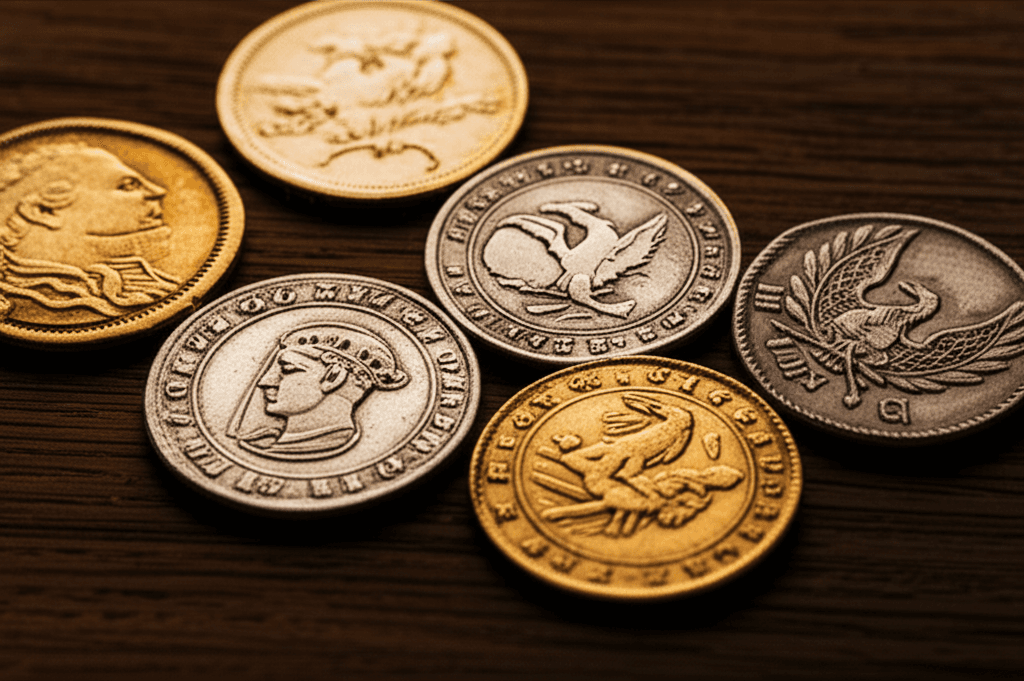
Flea Market Finds: Ungraded Coins Offer 3x Profit Potential
Flea markets reveal systematic mispricing of rare coins due to vendor unfamiliarity with numismatic authentication and current market values. The article exposes this information asymmetry as a legitimate acquisition opportunity for informed collectors, demonstrating how antique coin discovery through unconventional venues outperforms traditional auction house pricing. Community-validated strategies show that graded coin equivalent specimens trade at significant discounts when unencapsulated.
News Details and Background
Flea markets and antique dealers have long served as unexpected repositories of numismatic treasures, offering collectors of all experience levels the opportunity to acquire quality silver coins at prices significantly below retail. The democratization of coin collecting through these accessible venues has transformed how enthusiasts build their collections, moving beyond formal auction houses and certified dealers to embrace the thrill of discovery in unconventional settings. Community forums and online discussions increasingly feature success stories from collectors who have uncovered remarkable specimens at flea markets, generating renewed interest in this traditional yet often underutilized source for acquiring silver coins.
The appeal of flea market hunting extends beyond mere cost savings; it represents an adventure where patience, knowledge, and intuition converge. Experienced collectors recognize that market vendors, particularly those without specialized numismatic expertise, frequently misprice or undervalue silver coins due to lack of authentication knowledge or awareness of current market values. This information asymmetry creates legitimate opportunities for informed buyers to negotiate purchases that represent genuine value rather than speculative investment.
The community-driven insights shared on platforms dedicated to coin discussion have established flea market hunting as a legitimate and rewarding collecting strategy. Rather than viewing these venues as secondary markets, forward-thinking collectors have documented methodical approaches to identifying quality pieces, evaluating authenticity in real-time, and negotiating fair prices that benefit both buyer and seller.
Historical Context
The practice of discovering valuable coins in informal marketplaces traces its roots to the post-World War II era when surplus military supplies and inherited collections flooded European and American flea markets. Throughout the latter twentieth century, flea markets became primary destinations for collectors seeking older currency, particularly silver coins from various national mints that had been removed from circulation or inherited by families indifferent to numismatic value. This historical precedent established flea markets as legitimate hunting grounds rather than mere repositories of worthless ephemera.
The evolution of flea market culture paralleled the professionalization of coin collecting, yet these venues retained their character as accessible, unregulated spaces where traditional valuation methods often failed to apply. Vendors inherited from previous generations frequently possessed incomplete knowledge about their inventory, particularly regarding regional coinage or specialized minting variations that commanded premium prices among serious collectors. This generational transition in vendor knowledge created systematic opportunities for collectors with deeper understanding of numismatic markets.
The internet revolution transformed flea market hunting without eliminating its fundamental appeal. Rather than reducing the viability of physical market exploration, online access to pricing data and authentication resources actually enhanced the strategic advantages available to prepared collectors visiting local markets. The combination of historical precedent, vendor knowledge gaps, and improved buyer preparation created an environment where disciplined collectors could achieve results comparable to, or exceeding, formal collecting channels.
Numismatic Analysis
Silver coins present unique analytical challenges at flea markets because their value encompasses multiple dimensions beyond metal content: historical significance, rarity, condition, and provenance all contribute to authentic market valuation. Collectors must develop multifaceted assessment skills, including visual inspection for wear patterns, striking variations, and mint marks that distinguish common issues from scarce variations commanding substantial premiums. The ability to recognize these distinctions in real-time, often under suboptimal lighting conditions, separates successful hunters from those who overlook valuable opportunities.
Identifying scarce silver coins requires understanding specific series characteristics that remain invisible to casual observers. Certain years, mint marks, and die variations within otherwise common-appearing issues can represent dramatic value increases; a collector recognizing these characteristics possesses negotiating leverage that uninformed vendors cannot resist. Examples include early American silver dollars where specific date and mint combinations command premiums of several hundred percent over base years, or European silver coins where mintage variations created unequal scarcity distributions across identical-appearing pieces.
The technical analysis of silver coins extends to weight verification and dimension assessment, capabilities that prepared collectors can deploy during market evaluation. Counterfeit silver coins exist throughout flea market environments, making physical verification essential before financial commitment. Understanding the expected weight, diameter, and edge characteristics of legitimate specimens enables confident authentication decisions without requiring professional services in the field.
Condition assessment demands particular attention because flea market coins often present unusual wear patterns, cleaning marks, or damage inconsistent with standard grading literature. Genuine rare specimens frequently appear in unexpected conditions, requiring flexible evaluation frameworks rather than rigid adherence to numerical grades. A collector's willingness to appreciate genuine rarity despite non-standard presentation often yields the highest-value acquisitions.
Market Trends and Price Analysis
Contemporary flea market pricing reflects broader trends in precious metals markets, collector demand patterns, and regional economic conditions that influence both seller motivation and buyer competition. Silver content-based pricing remains the floor for most common-date coins, yet substantial premiums accrue to pieces with historical significance, aesthetic appeal, or documented scarcity. Understanding current precious metals values provides essential context for negotiation, particularly when vendors attempt to use melt value as justification for pricing decisions.
Regional variations in flea market pricing reveal significant arbitrage opportunities for collectors willing to travel between markets or compare pricing across geographic zones. Urban markets typically feature more sophisticated vendor knowledge and higher prices, while rural or secondary-market locations often present undervalued inventory reflecting limited local collector interest. Experienced hunters strategically target markets in economically disadvantaged regions where inherited collections circulate through vendors lacking resources or motivation to conduct proper market research.
The rise of certified grading services has paradoxically created opportunities in uncertified flea market coins, as collectors increasingly recognize that certification costs exceed the value differential between graded and ungraded examples for many common pieces. This dynamic has shifted collector preferences toward raw coins that can be purchased at negotiated prices, then selectively certified only when value justifies professional assessment. Flea market hunters benefit from this trend by acquiring quality pieces that can be evaluated and certified later if warranted.
Price volatility in precious metals markets creates timing considerations for flea market purchases, yet prepared collectors recognize that scarce specimens maintain value during metal price fluctuations better than common pieces. The most successful acquisitions focus on rarity and historical significance rather than metal content speculation, positioning collections defensively against market uncertainty.
Collector Significance
For beginning collectors, flea markets offer accessible entry points into numismatics without requiring capital investment in certified high-grade specimens or specialized authentication equipment. This educational function proves invaluable for developing visual recognition skills, understanding various national coinage systems, and building foundational collections that motivate deeper specialization. The low-pressure environment and reasonable pricing facilitate experimentation with different collecting areas before committing to focused specialization.
Advanced collectors view flea market hunting as opportunity for filling collection gaps that auction markets have not satisfactorily addressed, or for acquiring pieces requiring condition trade-offs acceptable for type sets or national collections. The thrill of discovery and negotiation represents intrinsic satisfaction beyond financial considerations, maintaining engagement with collecting despite achieving sophisticated accumulation levels. These collectors often document their finds through community forums, encouraging broader participation in flea market exploration.
The documentation of flea market acquisitions within collecting communities creates shared knowledge about pricing, availability, and authentication challenges specific to informal market environments. Collectors learn from peers about regional markets, seasonal timing, vendor characteristics, and negotiation approaches that enhance future success rates. This collaborative knowledge-building strengthens the entire collecting community while democratizing information previously concentrated among specialized dealers.
The significance of flea market collecting extends to cultural preservation, as collectors rescue historically important pieces from potential destruction or melting. Many silver coins represent unique documentation of national history, economic conditions, and artistic achievement that would be lost without informed collectors recognizing and preserving them during brief marketplace encounters.
Comparable Coins
Establishing fair market value for flea market acquisitions requires knowledge of comparable pieces that have sold through documented channels, creating benchmarks for negotiation and informed decision-making. Collectors unfamiliar with specific series benefit from consulting these established benchmarks before engaging vendors in price discussions.
European silver coins present more complex comparability challenges because fragmented national minting systems and smaller global collector bases result in limited documentation for some regional issues. Scarce European coins circulate in flea markets at prices bearing little relationship to international auction results, creating opportunities for collectors willing to research documentation thoroughly. The effort invested in identifying comparable sales establishes competitive advantages in negotiation.
The comparability analysis extends to understanding how condition variations affect valuation, particularly for coins presenting unusual wear patterns or cleaning marks outside standard grading parameters. Examining high-resolution photographs of comparable pieces in known conditions provides more reliable guidance than numerical grades alone, enabling realistic assessment of market positioning for non-standard examples encountered in flea markets.
Comparative analysis proves most valuable when collectors document their acquisitions and monitor subsequent market performance, building personal databases that inform future negotiation decisions. Over time, this systematic approach generates superior results as collectors develop increasingly sophisticated understanding of their specialized collecting areas relative to broader market dynamics.
Authentication Considerations
Authentication challenges represent the primary risk factor in flea market acquisitions, requiring development of practical verification techniques deployable without professional services or specialized equipment. Visual inspection methodologies focus on die characteristics, strike peculiarities, and wear patterns that resist successful counterfeiting, enabling confident preliminary assessments during marketplace evaluation. Collectors who invest time in developing these visual recognition skills gain significant advantages over vendors relying solely on appearance.
Weight verification using portable precision scales represents the most practical field authentication technique, providing objective measurement against documented specifications for legitimate specimens. The cost of high-quality scales remains modest relative to average acquisition prices, making this investment essential for serious flea market collectors. Unexpected weight variations often indicate counterfeiting or confusion regarding coin identity, warranting careful reconsideration before purchase commitment.
The authentication challenge increases significantly for higher-value acquisitions or rare specimens where counterfeiting incentives become substantial. Collectors pursuing expensive pieces should establish protocols for post-purchase verification through professional services, building conditional purchase agreements with vendors when possible or carefully considering financial risk before committing funds. The increasing sophistication of modern counterfeiting techniques demands humility about personal authentication capabilities, particularly for pieces exceeding personal expertise.
Community resources and online forums provide valuable authentication support, with experienced collectors offering preliminary assessments based on detailed photographs and specifications. Building relationships within collecting communities creates accessible expertise that enhances authentication confidence without requiring professional certification costs for routine verification.
Future Outlook
The future of flea market collecting appears robust despite predictions of decline as digital commerce expands and collector demographics shift. Younger collectors increasingly recognize value in experiential acquisition and physical authentication skills that flea market hunting develops, reversing presumptions that online purchasing would eliminate traditional marketplace participation. The resurgence of collector interest in lower-priced, ungraded specimens further enhances flea market viability as primary acquisition channels.
Technological advancement will likely enhance rather than diminish flea market opportunities, as portable authentication tools become increasingly accessible and affordable. Collectors equipped with advanced verification capabilities may discover comparative advantages against vendors lacking technological resources, potentially increasing arbitrage opportunities in price-sensitive markets. The integration of mobile applications providing real-time pricing data and authentication guidance represents the emerging frontier for flea market optimization.
Market maturation and increased collector sophistication will inevitable raise baseline pricing standards as vendors develop better information access. Nevertheless, geographic variation in collector knowledge density and the continuous circulation of inherited collections through market channels suggest persistent opportunities for prepared hunters. The competition intensifying for premium acquisitions may shift collector focus toward specialized niches and emerging categories where documented pricing remains incomplete.
The ultimate sustainability of flea market collecting depends upon maintaining knowledge advantages through continuous engagement with numismatic communities, disciplined study of specialized areas, and strategic market participation. Collectors approaching flea market hunting as educational adventure rather than speculative investment are positioned to maintain engagement and achievement regardless of broader market evolution, securing enduring satisfaction and significant acquisitions.
Related Articles
Weekly Market Intelligence
Weekly rare coin intelligence — auctions, price action, and analysis, delivered via LINE.
Free · Instant · Block anytime