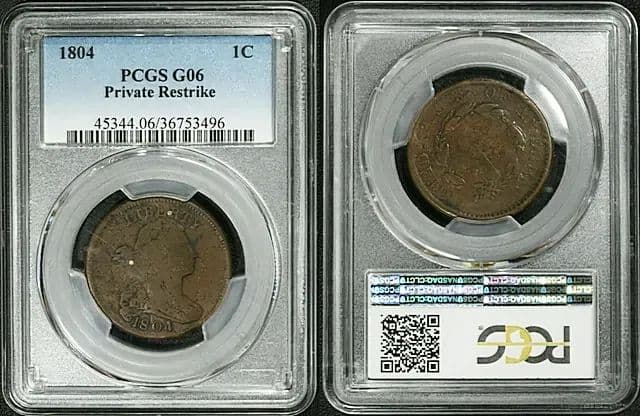
Foundation Coins Define Collection Strategy Beyond Heirloom Sentiment
Within numismatic collecting, heirloom coins and 'foundation coins' represent fundamentally distinct concepts. Foundation coins are not necessarily the oldest or most valuable pieces, but deliberate anchor points that define collecting philosophy and direction. Unlike sentiment-driven inheritance holdings, foundation pieces establish thematic frameworks—periods, civilizations, or series—that guide deeper exploration. This philosophical distinction between emotional inheritance and strategic anchor-building separates mature collectors from casual accumulator behavior.
News Details and Background
Within the vibrant community of numismatic enthusiasts, a thoughtful discussion has emerged about the distinction between coins that carry generational sentiment and those that serve as foundational pieces within a collection. Recent conversations among collectors have highlighted an important dichotomy: heirloom coins passed down through families represent one category of cherished holdings, while "foundation coins" represent an entirely different concept of collecting importance. These foundation coins are not necessarily the oldest or most valuable pieces, but rather the specimens that establish the framework upon which a meaningful collection is built. Understanding this distinction has proven valuable for both new and experienced collectors seeking to develop coherent, purposeful accumulations.
The term "foundation coins" has gained traction in collector circles as a descriptor for pieces that define collecting direction and philosophy. These coins serve as anchor points within a collection's narrative, establishing themes, periods, or civilizations that the collector wishes to explore more deeply. Rather than being chosen for emotional inheritance or family history, foundation coins are selected deliberately as starting points for deeper numismatic exploration. This philosophical approach to collection building reflects a maturing understanding of what makes a collection personally meaningful beyond mere monetary value or rarity rankings.
Recent Reddit discussions within the r/coins community have brought this concept into sharper focus, with collectors sharing their strategies for identifying and acquiring foundation coins. Many participants have described the process of establishing their collections by first identifying key coins that would anchor their broader collecting interests. Whether focusing on a specific nation, historical period, mint mark variations, or thematic elements, the selection of foundation coins represents a conscious commitment to a collecting direction.
Historical Context
The concept of foundational collecting methodology extends back to the earliest days of numismatics as a serious pursuit. During the Renaissance, wealthy collectors understood the importance of establishing core examples before expanding into peripheral variations and related issues. Historical records of major collections reveal that the most successful accumulations were built upon carefully chosen cornerstone pieces that established collecting parameters and direction. These early practitioners recognized that thoughtful foundational selections would naturally guide future acquisition decisions and prevent the haphazard accumulation that characterizes many casual coin collections.
The twentieth century witnessed formalization of these principles, as numismatic societies and publishing houses began documenting collection methodologies. Experienced collectors shared wisdom about the importance of securing key dates and mintmarks before pursuing scarce varieties or proof versions. This approach ensured that collections developed logical structures and avoided gaps in otherwise valuable holdings. The distinction between inherited coins and deliberately chosen foundation pieces became increasingly apparent as families dispersed collections and individual collectors began building their own holdings from scratch.
The digital age and internet communities have democratized access to collecting knowledge, allowing collectors worldwide to learn from established principles without necessarily spending decades accumulating personal experience. Online forums have created spaces where collectors can discuss their foundation coin selections and share rational approaches to building coherent collections. This information sharing has contributed to more sophisticated collecting practices among newer generations of enthusiasts who benefit from accumulated wisdom previously available only through direct mentorship or expensive reference publications.
Numismatic Analysis
Foundation coins typically share several characteristics that distinguish them from merely valuable or rare specimens. First, they represent key examples within their category—whether by date, mintmark, type, or design.A collector focusing on United States coinage might select a particular piece as a foundation coin, establishing their interest in a specific period of silver production. Alternatively, a collector interested in medieval European coins might choose a representative piece from a significant ruler or mint, providing context for understanding related specimens. The analytical process of selecting foundation coins requires understanding numismatic relationships and historical significance beyond surface-level appeal.
The qualitative assessment of foundation coins involves considering their role within broader numismatic categories. A foundation coin should ideally be obtainable at reasonable cost, allowing collectors to then pursue more specialized variations. It should represent a genuinely important piece within its category—not an arbitrary selection.For example, a foundation coin might be a meaningful piece that anchors a collection and defines its character. Such a selection establishes understanding of the period, style, and metallurgical standards against which related coins can be evaluated.
Grading and condition assessment become particularly important when evaluating foundation coins. Unlike coins acquired primarily for sentimental value, foundation pieces must serve functional roles within a collection's educational framework. This often means that collector-grade examples in mid-range conditions may be more appropriate and more affordable than exceptional specimens. A well-circulated but authentic foundation coin may better serve a collector's purposes than an expensive, pristine example that strains the budget and limits resources available for developing the collection more broadly.
Market Trends and Price Analysis
The marketplace for foundation coins has shown distinctive patterns reflecting their particular role in collecting. Unlike ultra-rare pieces that appeal to elite collectors and investment portfolios, foundation coins occupy a sweet spot where they command reasonable premiums over common examples without reaching the stratospheric prices of true rarities. This accessibility has contributed to their enduring popularity and their role in supporting healthy collecting communities. Market data suggests that prices for well-chosen foundation coins remain relatively stable, making them suitable as starting points for collectors with moderate budgets.
Recent market trends have shown increasing sophistication in how collectors approach foundation coin acquisition. Rather than random accumulation, many collectors now deliberately research and plan foundation selections before purchasing. This intentional approach has actually supported prices for legitimate key dates and important type coins, while prices for truly common specimens have remained relatively flat. The market has essentially rewarded collectors who make thoughtful, historically significant selections while placing less pressure on collectors acquiring purely common examples.
The relationship between foundation coins and collection completion has developed into a recognized pattern among serious numismatists. A collector who invests wisely in foundation pieces establishes a collecting trajectory that naturally leads to meaningful expenditure on complementary pieces. This creates reliable demand for related coins, supporting market stability within defined categories. Dealers and auction houses have increasingly recognized this pattern, often specifically marketing coins as foundation pieces for collectors pursuing particular themes or nations.
Collector Significance
For individual collectors, the significance of foundation coins extends beyond monetary value into the psychological and intellectual realms of the hobby. Foundation coins represent personal commitments to deeper numismatic exploration and intellectual engagement with history. The process of selecting foundation coins forces collectors to clarify their interests and establish meaningful collecting parameters. Rather than pursuing every interesting piece that appears for sale, collectors with carefully chosen foundation coins develop focused acquisition strategies that maximize the coherence and educational value of their holdings.
The emotional investment in foundation coins differs distinctly from that in inherited or heirloom pieces. While heirloom coins carry stories of previous owners and family history, foundation coins carry stories of personal discovery and intentional commitment to numismatic learning. A collector who selects a foundation coin for Byzantine numismatics and then systematically develops knowledge about that civilization creates a different kind of connection to the material than inheriting a coin from a relative. Both relationships have validity, but they represent different dimensions of collecting fulfillment.
Community discussions reveal that foundation coin selections often become defining characteristics of individual collections. Collectors who establish strong foundation pieces in particular areas develop reputations and expertise within collecting communities. This social dimension of foundation coin selection reinforces its importance—public commitment to a collecting direction encourages follow-through and deeper exploration. Online communities have amplified this effect, allowing collectors to document their foundation selections and receive feedback and encouragement from peers pursuing similar directions.
Comparable Coins
Different collectors naturally gravitate toward different foundation coins depending on their particular interests and available resources. These coins establish familiarity with late nineteenth and early twentieth-century American coinage standards while remaining obtainable at modest cost in circulated grades. Their historical importance and recognizable designs make them effective anchors for broader American collecting interests.
For collectors focusing on ancient coinage, foundation selections might include a Roman denarius of a significant emperor, a Greek city-state coin representing classical civilization, or perhaps a Parthian silver coin representing an important eastern power. Each selection establishes understanding of a particular period, mint system, or cultural tradition. The variety of potential foundation coins demonstrates that this concept is infinitely adaptable to individual collecting interests and financial circumstances.
European collectors often establish foundation selections around coins representing significant national histories or dynasties. A collector interested in German numismatics might select coins from various principalities or from the unified German Empire. British collectors might establish foundation selections spanning different monarchies or colonial periods. These thematically coherent foundation choices create natural frameworks for expanding knowledge and exploration while maintaining collection coherence.
Authentication Considerations
The authentication of foundation coins deserves particular attention because these pieces anchor the educational and organizational framework of collections. Foundation coins must be genuinely authentic to serve their intended purpose of representing legitimate historical standards and characteristics. A collector building knowledge on the basis of a counterfeit or misattributed foundation coin will develop incorrect understanding that potentially undermines subsequent acquisitions. This argues for particular caution in foundation coin purchases, potentially justifying authentication by established third-party grading services even if cost is higher than for less critical pieces.
Modern authentication techniques have made it increasingly possible to verify foundation coins with confidence. For more recent coins, existing mintage records and design documentation allow straightforward verification. For ancient or medieval coins, scientific analysis including metallurgical testing can confirm authenticity with reasonable certainty. While such authentication may add cost to foundation coin acquisition, the investment is justified by the coin's role in establishing collecting parameters and providing reference points for evaluating related pieces. Many collectors consider authentication certification an appropriate investment for foundation coins despite the expense.
Documentation of foundation coins becomes particularly important for collectors building collections with long-term perspectives. Detailed records—including photographs, provenance information when available, and the reasons for selecting each foundation coin—enhance the collection's educational value. Such documentation transforms foundation coins from mere objects into elements of a personal collecting narrative, adding meaning that transcends market value and creating lasting records of collecting interests and intellectual development.
Future Outlook
The future of foundation coin collecting appears robust as newer generations of collectors continue discovering the hobby and seeking thoughtful approaches to building meaningful collections. The accessibility of information about collecting methodologies through online communities suggests that more collectors will consciously establish foundation pieces rather than accumulating haphazardly. This trend supports sustainable market conditions for reasonably priced but historically significant coins that serve foundational roles.
Technological developments including improved imaging, 3D modeling, and digital cataloging tools will likely enhance collectors' abilities to document and analyze foundation coins. These tools will make it easier for collectors to establish coherent collecting frameworks and understand relationships between foundation pieces and related coins. Digital communities will continue facilitating knowledge sharing and peer discussion of foundation coin selections, encouraging more thoughtful approaches to collection building.
The distinction between heirloom coins and deliberately chosen foundation pieces will likely become increasingly recognized within broader collecting culture. Educational institutions and numismatic societies may incorporate foundation coin concepts into collecting curricula and promotional materials. This formalization of foundation coin concepts could support the development of more sophisticated, purposeful collections while maintaining the emotional satisfaction that draws people to the hobby. Ultimately, the enduring appeal of foundation coins rests on their capacity to anchor meaningful personal engagement with history, culture, and human creativity expressed through monetary objects.
Related Articles

Weekly Market Intelligence
Weekly rare coin intelligence — auctions, price action, and analysis, delivered via LINE.
Free · Instant · Block anytime