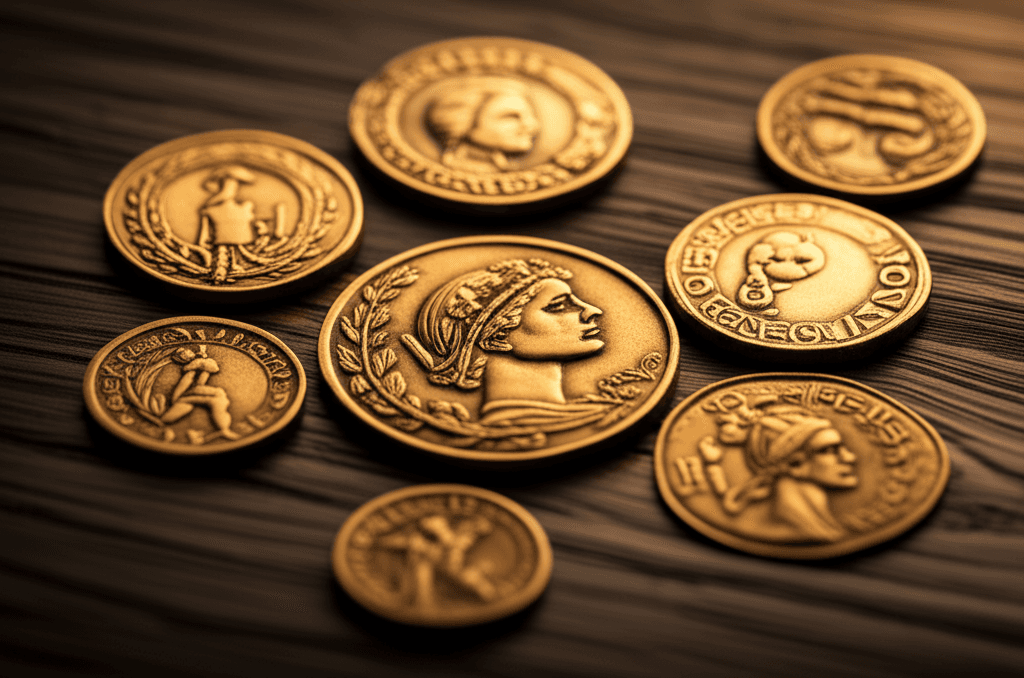
Action: Oversized medallions face liquidity constraints—buy only if cross-disciplinary collector appeal documented; traditional graded coins offer safer exit.
31cm Medallion Redefines Rare Coin Collecting Boundaries
Mar 30, 2026CoinTalk
Unclear or disputed ownership history
15 articles
Action: Oversized medallions face liquidity constraints—buy only if cross-disciplinary collector appeal documented; traditional graded coins offer safer exit.
Action: Collectors with specific needs for their items may find traditional policies insufficient, necessitating specialist services.
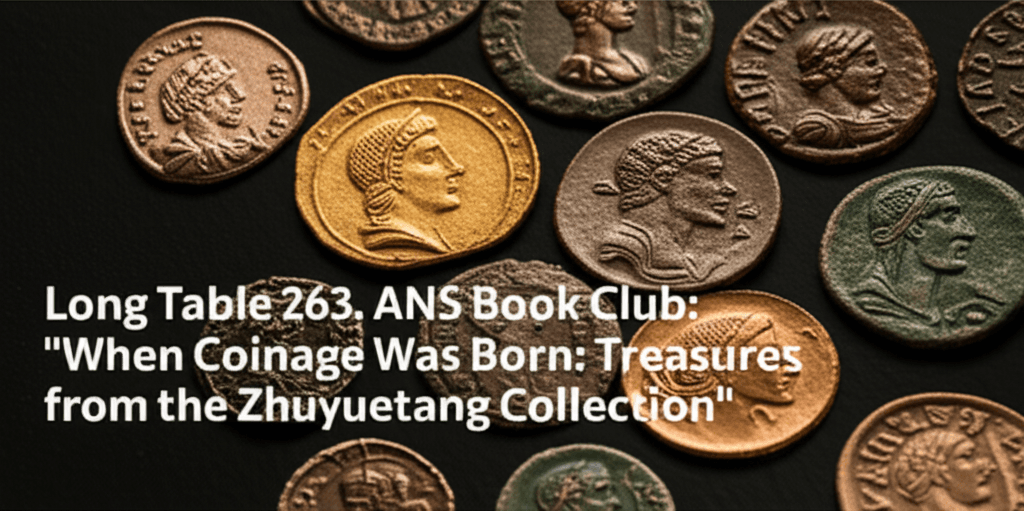
Outlook: Early coinage from transitional economies gains academic credibility—collectors should monitor ANS scholars' published findings before pricing resets upward.
Conclusion: Auction 163 revealed a strong numismatic market where pieces with strong provenance and exceptional
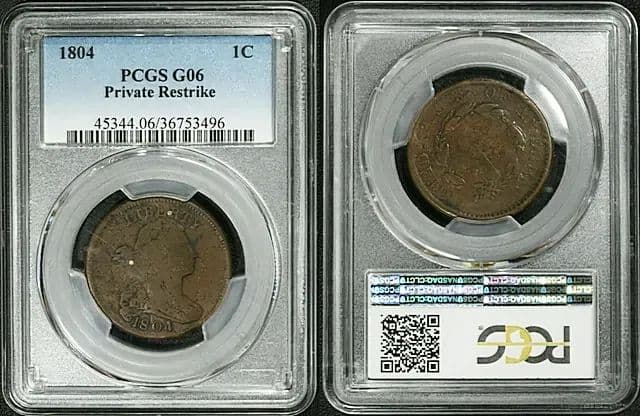
Conclusion: Numismatic enthusiasts are increasingly distinguishing between heirloom coins and deliberately chosen "foundation coins" that
singles); beginners start broad themes (commemorative medals, sovereign coins), advanced collectors hunt niche themes for discovery gains now.
Conclusion: Zero confirmed specimens of 1989 Bahamas $2 copper-nickel uncirculated — likely undocumented mintage; grading certification required if discovered. Wait for authenticated examples.
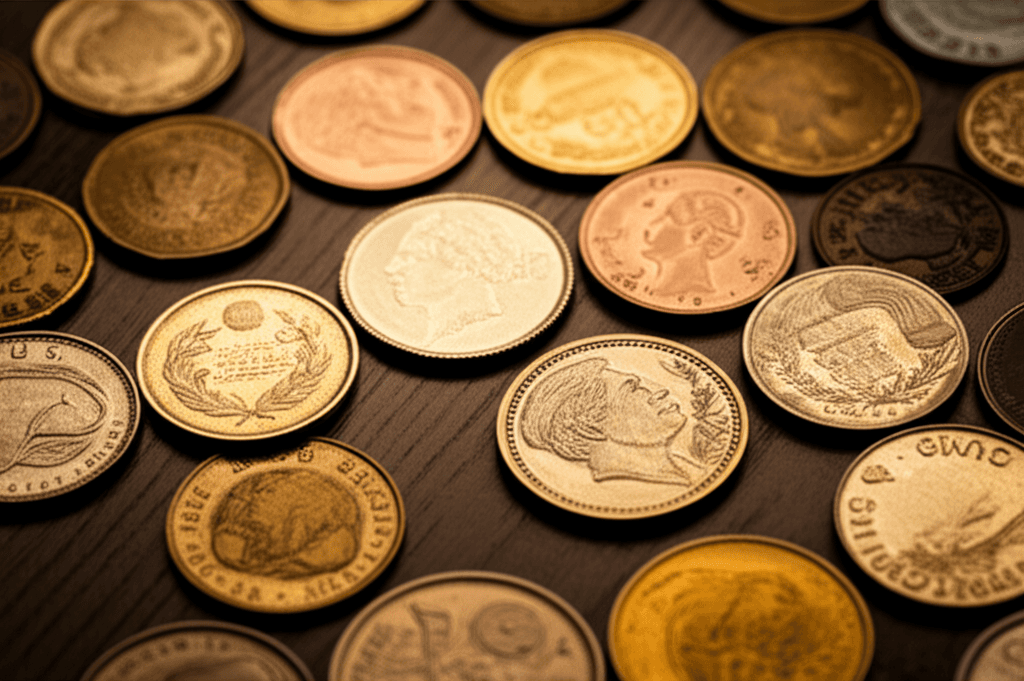
Conclusion: Semiquincentennial circulation coins are appearing in transactions, though early observations indicate an uneven geographic
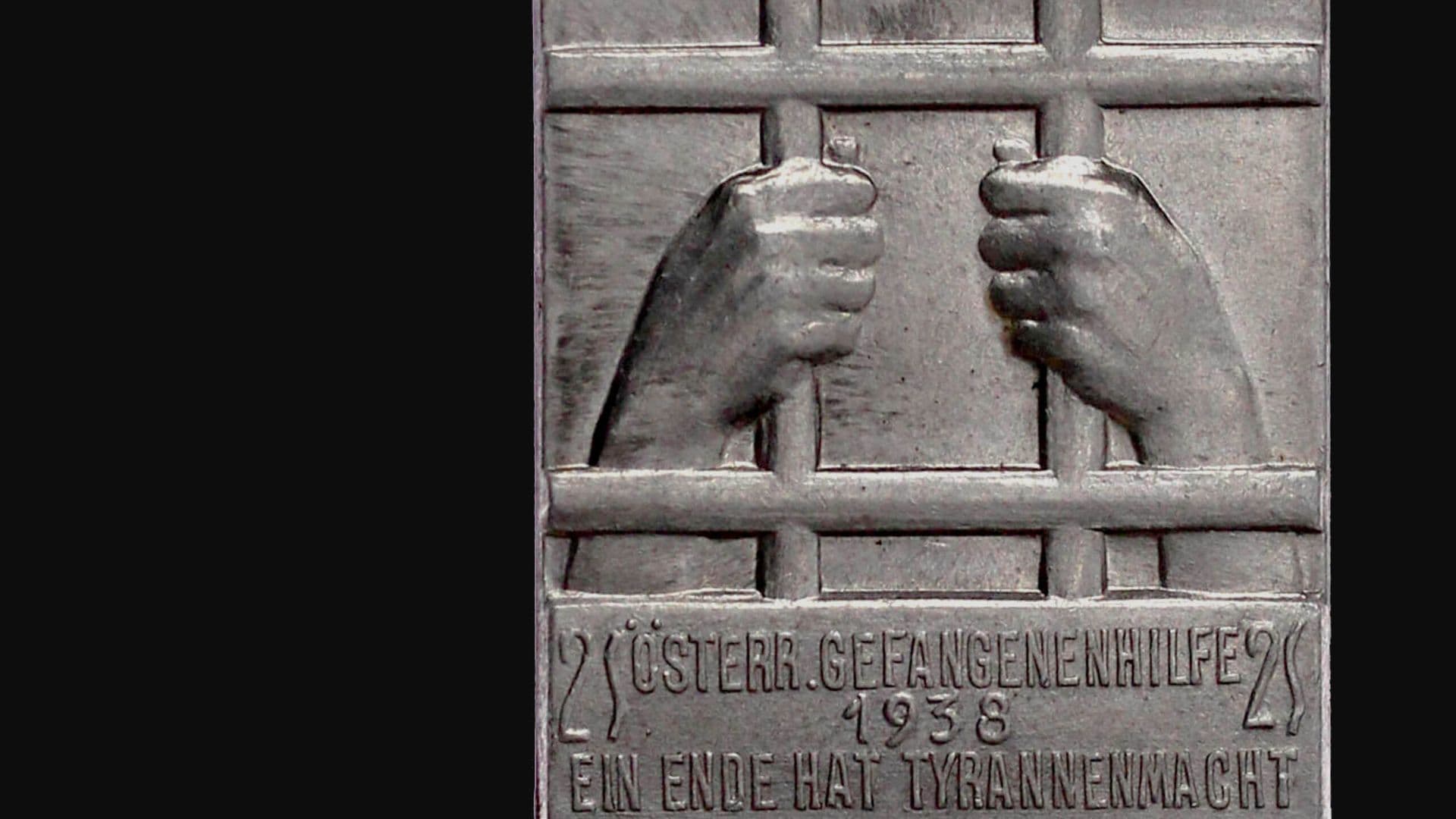
Conclusion: The American Numismatic Society will host a session featuring expert analysis to identify and document
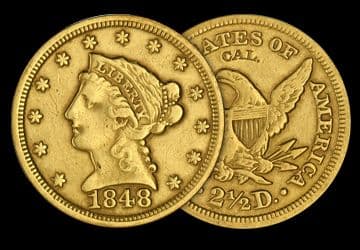
Takeaway: California private gold coins with known assayer names were accepted as a medium of exchange; unattributed pieces lack such assurance.
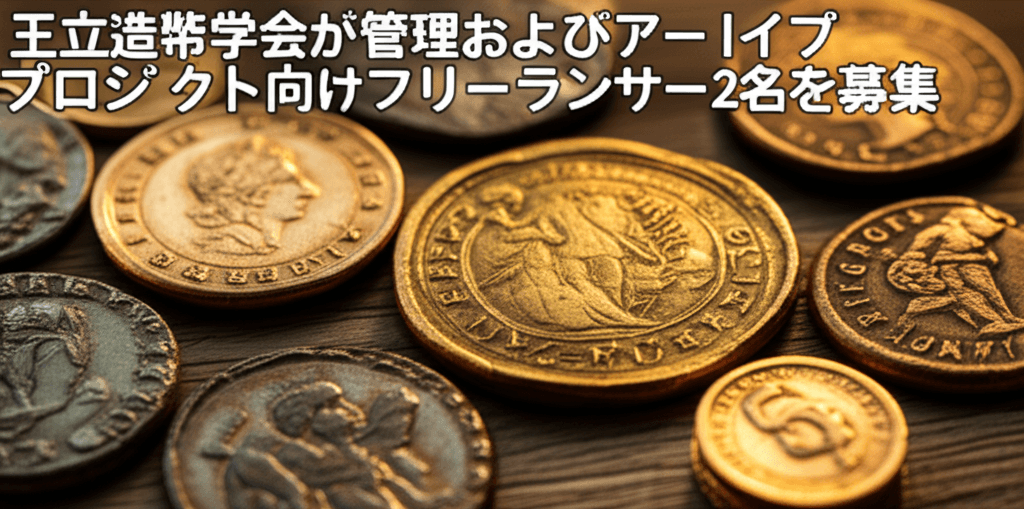
Defer purchases of high-value rare coins ($10K+) with unclear provenance until mid-2025; RNS digital archive completion will reset market authentication standards.

Academic validation precedes market revaluation by 18 months; monitor RNS speaker announcements for emerging coin categories set for repricing.

Action: Secure provenance documentation before Aug 20 closure; fall re-evaluation period demands academic evidence for high-value numismatics.
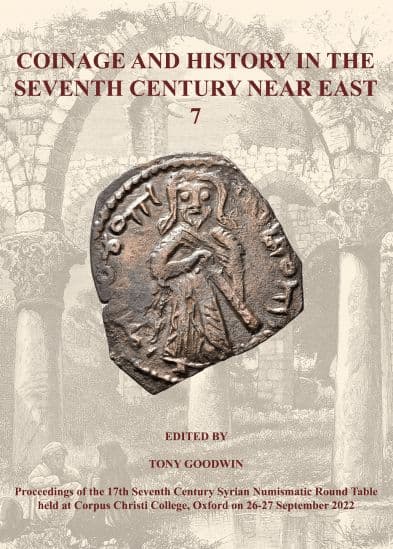
Conclusion: Recent research on seventh-century Near Eastern coinage observed how monetary transitions directly reflected the era