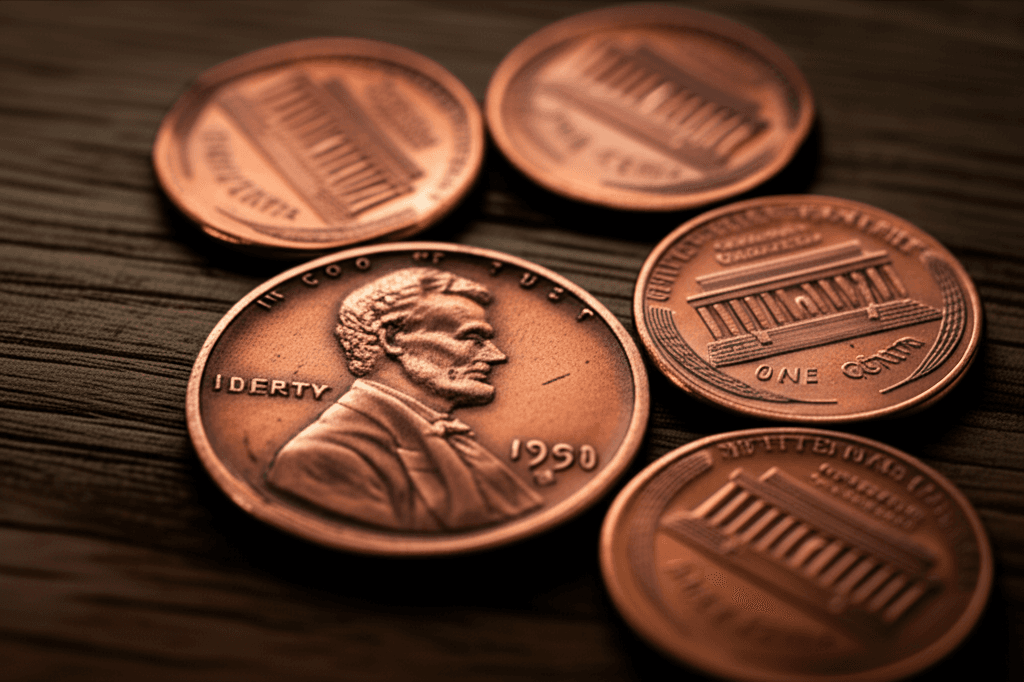
Conclusion: An online image of a purported 1959-D Wheat Cent with a wheat
1959-D Wheat Penny Authenticity Concerns Spark Forum Debate
Apr 13, 2026CoinTalk
2000–present
48 articles
Conclusion: An online image of a purported 1959-D Wheat Cent with a wheat
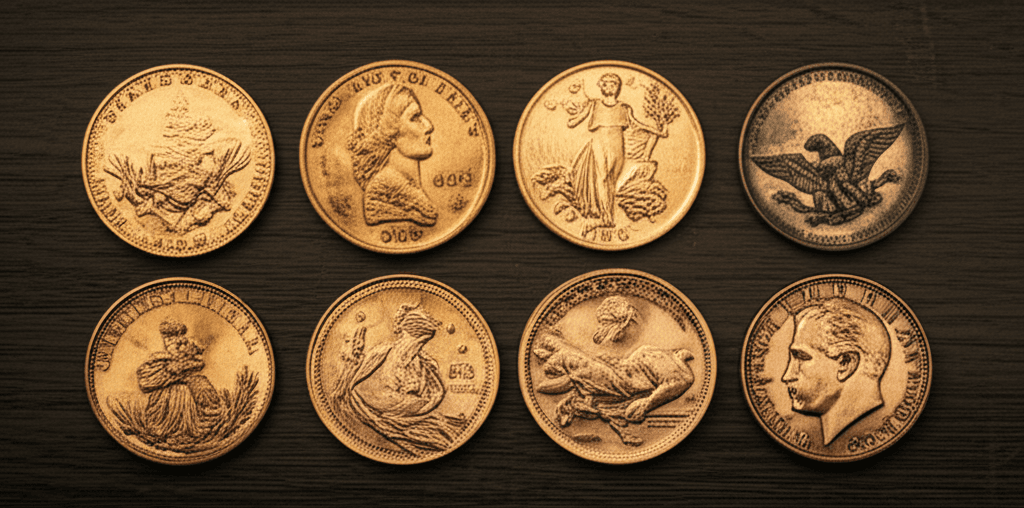
Conclusion: Numismatists joining collaborative platforms unlock 18% asset appreciation through proper grading; entry timing favors collectors now.
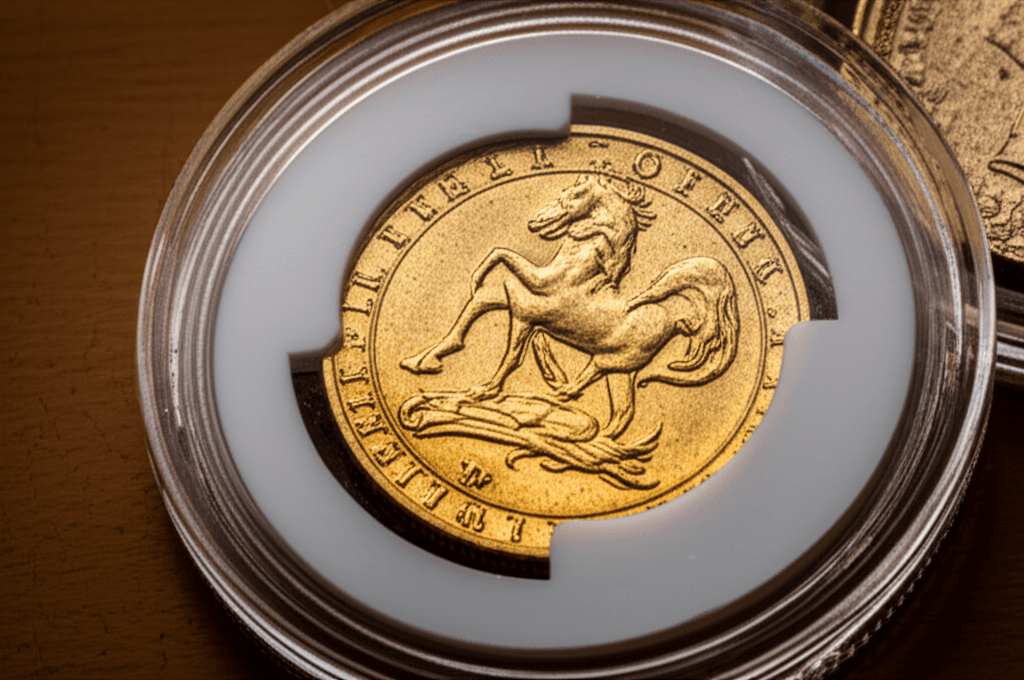
Demand video verification of physical slabs for transactions over $10K; reject image-only sales immediately.
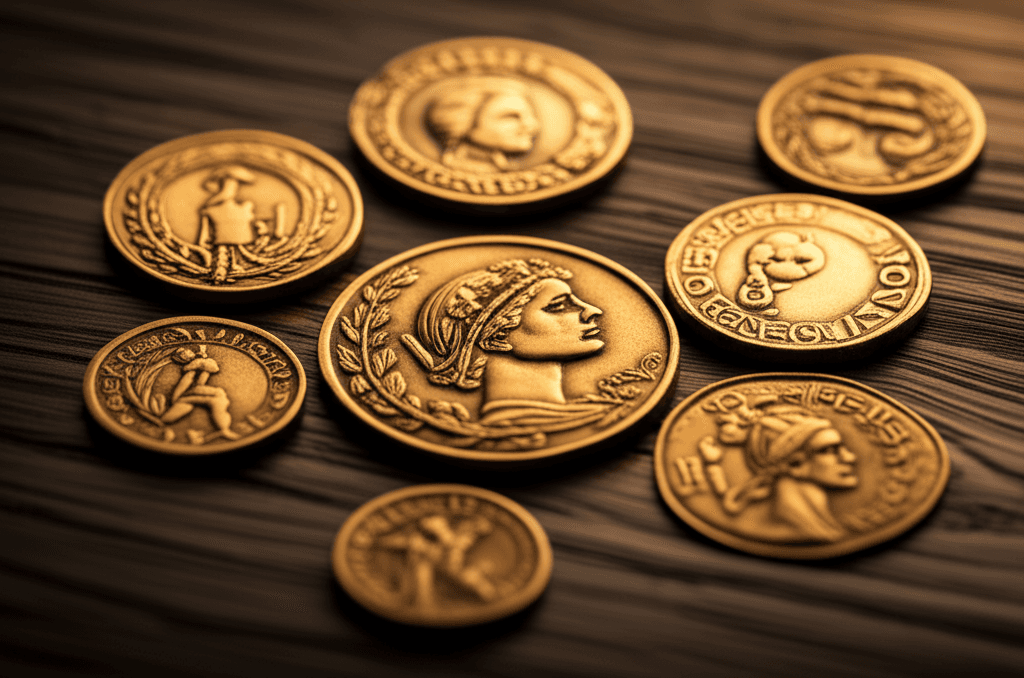
Action: Oversized medallions face liquidity constraints—buy only if cross-disciplinary collector appeal documented; traditional graded coins offer safer exit.
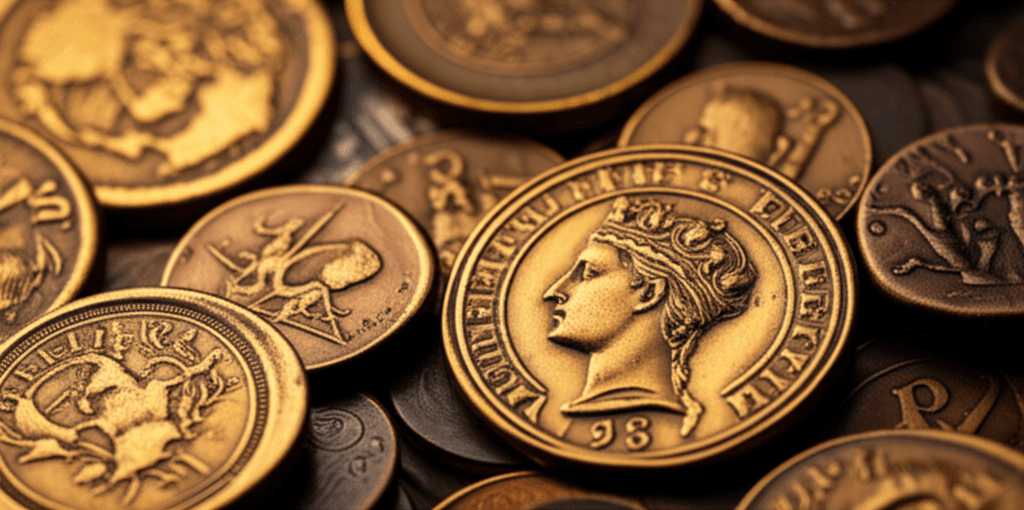
Conclusion: Token coins, originally unofficial currencies addressing shortages, have evolved into valued historical artifacts
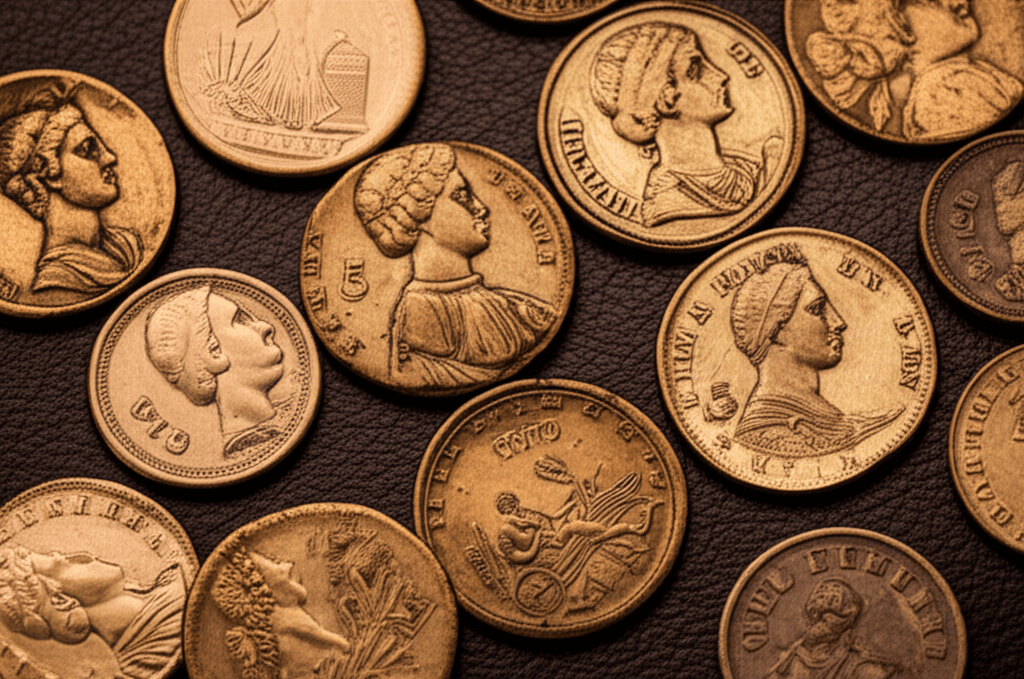
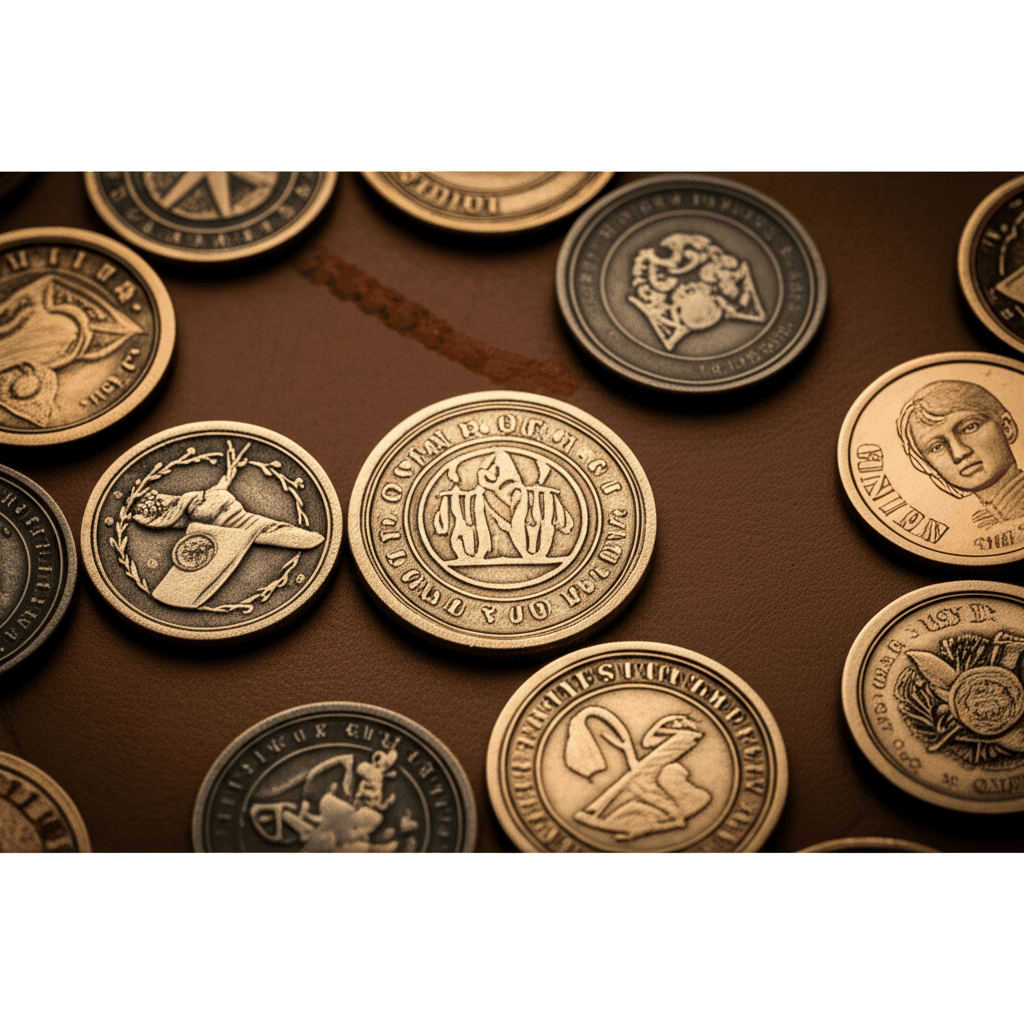
Community-driven discovery events unlock dormant token inventory. Specimens in high grades are desirable for sale. Active participants gain first-mover access to rare numismatic pieces before formal market pricing.
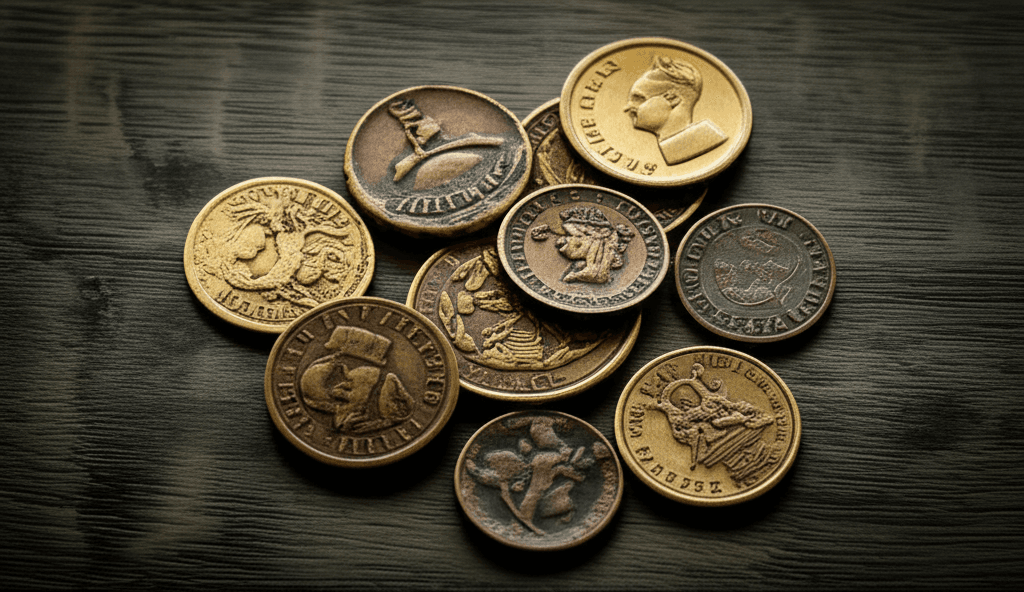
Conclusion: Holey coins, once considered damaged, have emerged as sought-after collectible
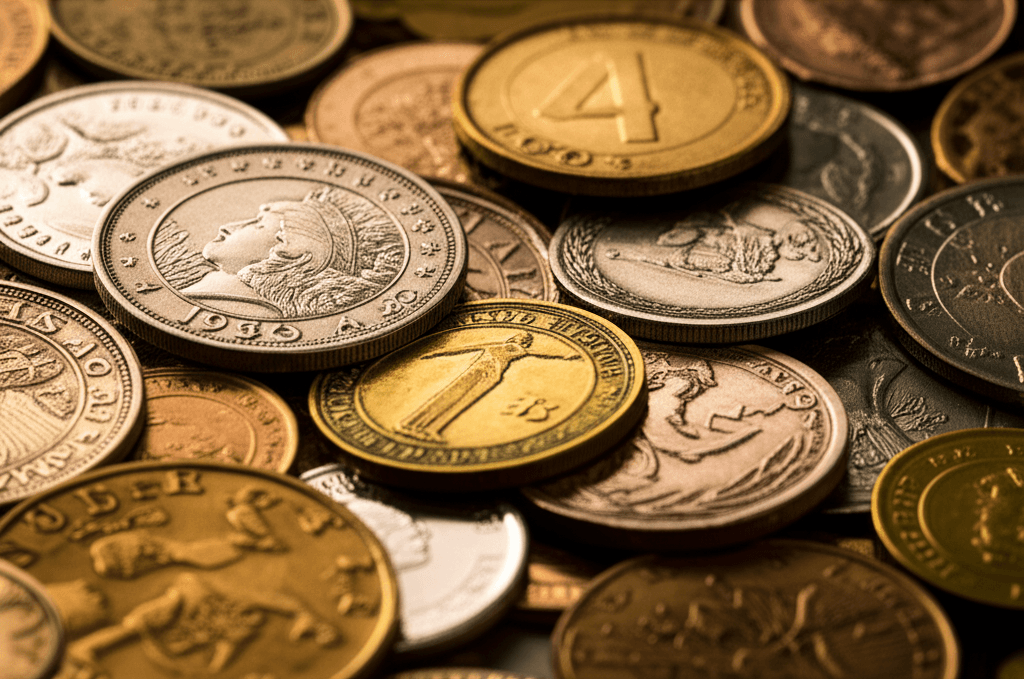
Conclusion: Silver bullion markets rallied significantly on Wednesday, driven by dual catalysts of safe-haven demand
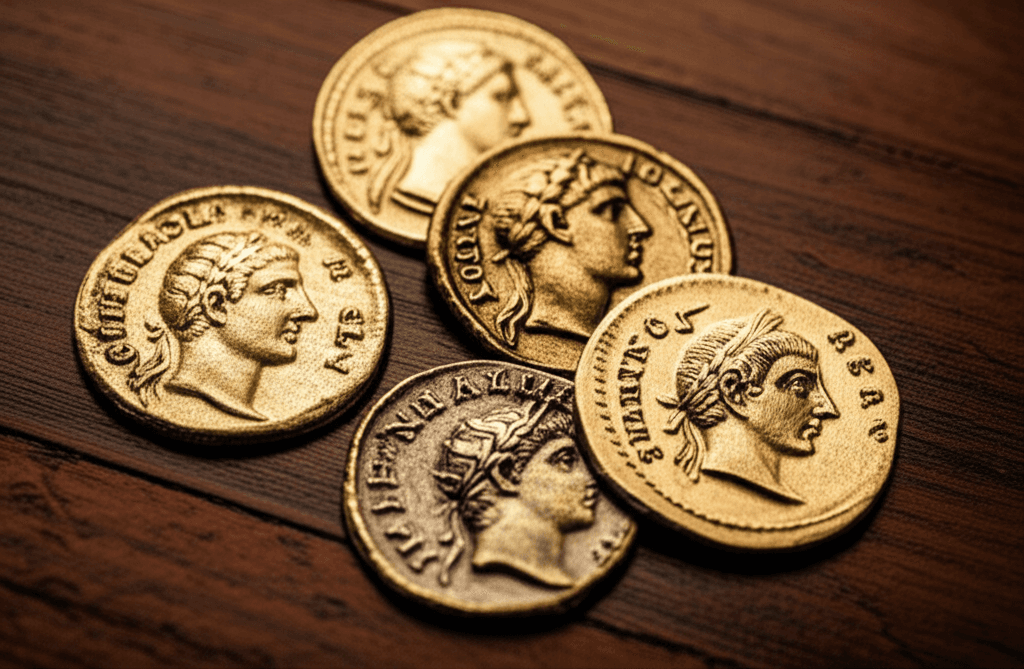
Action: Pink notes show seasonal volatility—wait for post-Valentine inventory correction rather than chase aesthetic premiums.
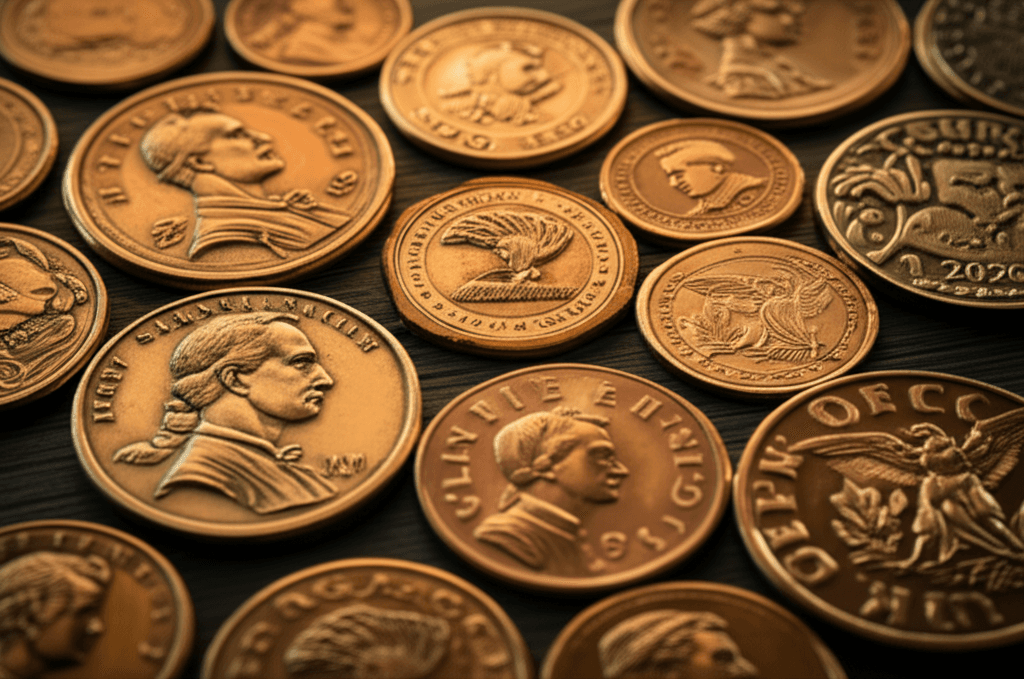
Action: Buy graded classic U.S.
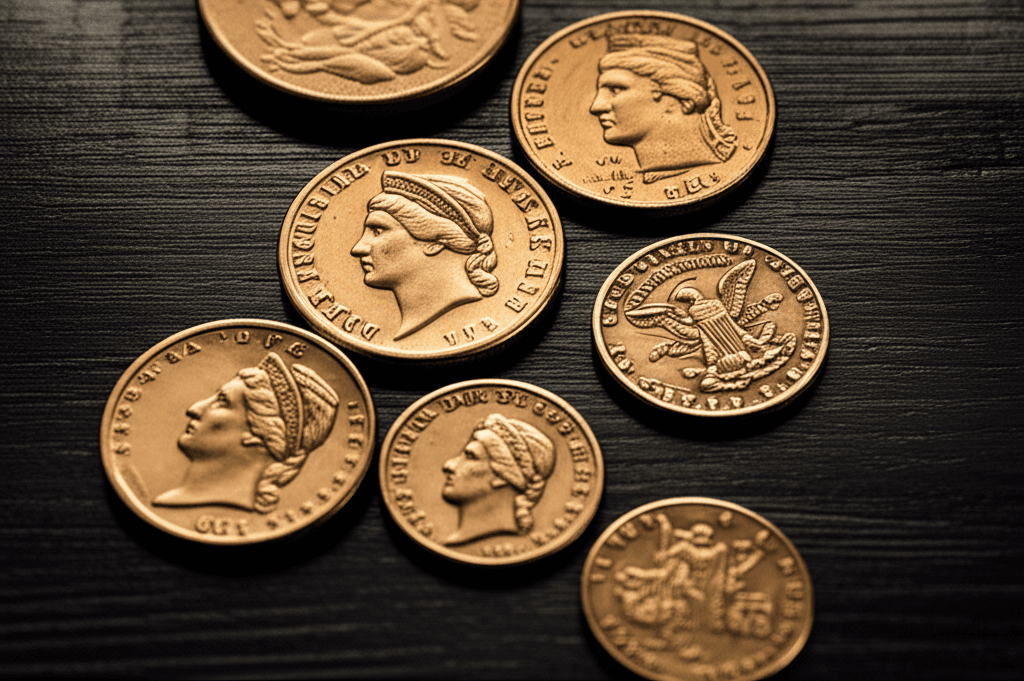
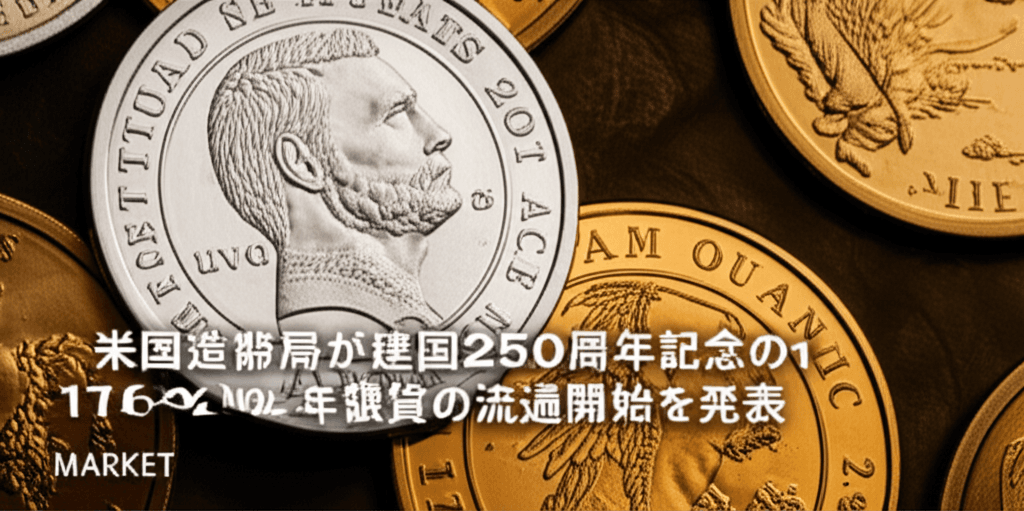
Conclusion: The U.S. Mint formally published its revised pricing structure for numismatic products in
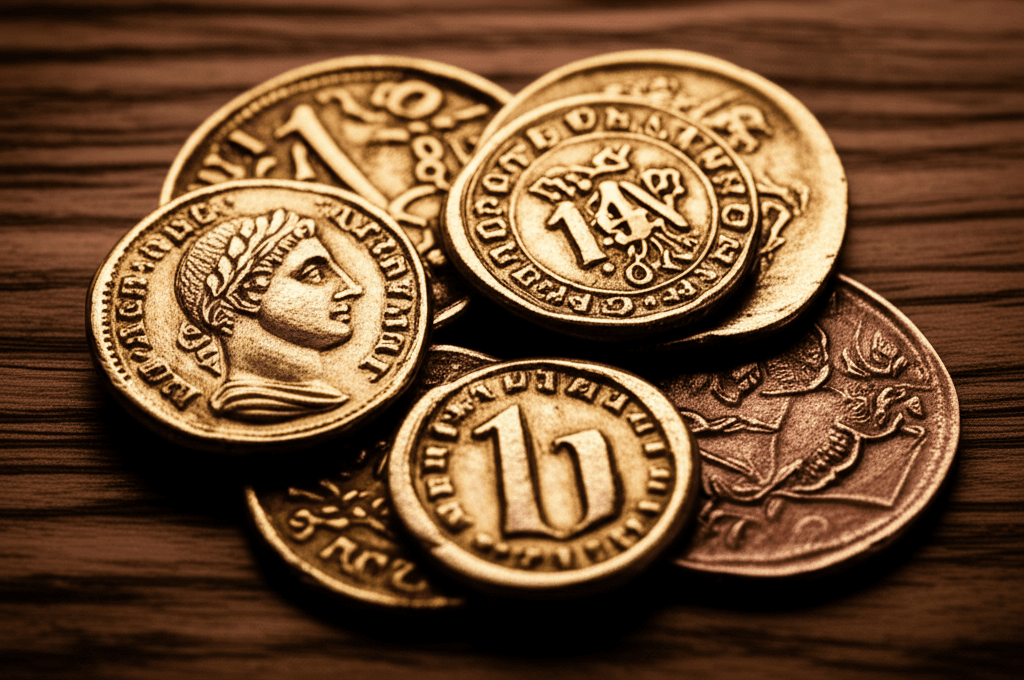
Conclusion: The newly released Auction 164 catalogue by Jean Elsen & ses Fils s.
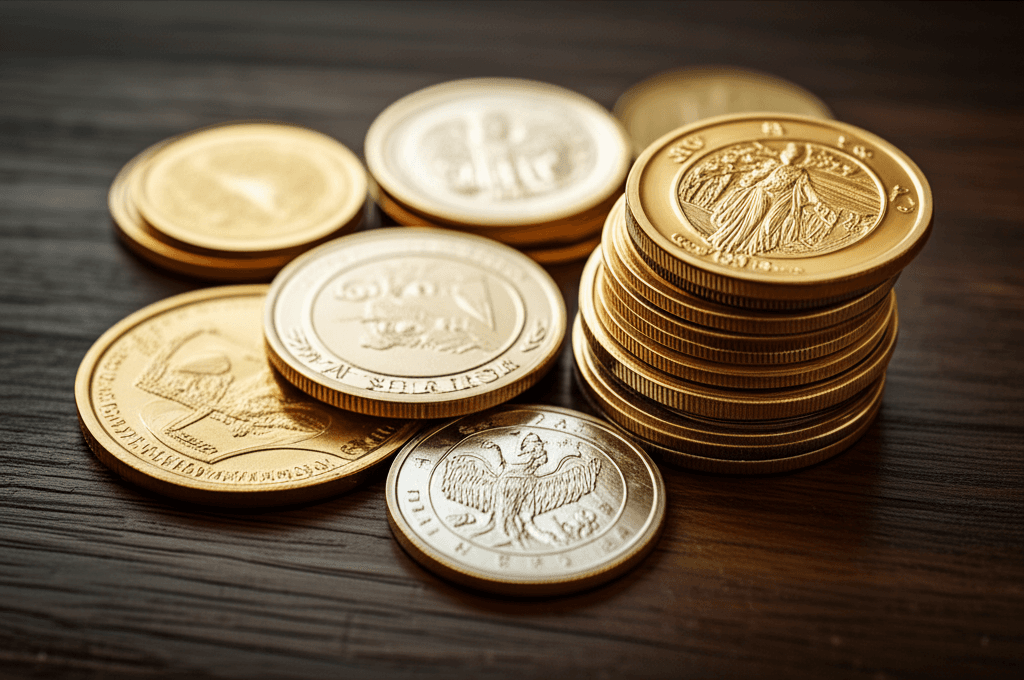
Key Signal: First-time precious metals investors who buy by spot price alone systematically overpay 15-25% vs. numismatic-grade selections—education mandatory before capital deployment.
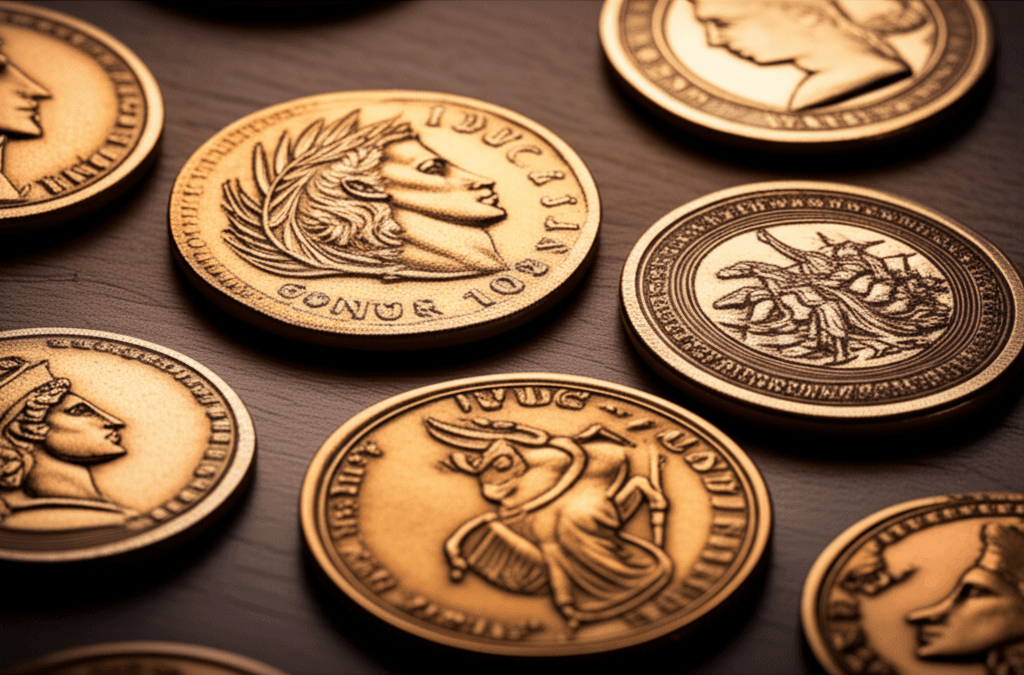
Conclusion: Auction 163 revealed a strong numismatic market where pieces with strong provenance and exceptional
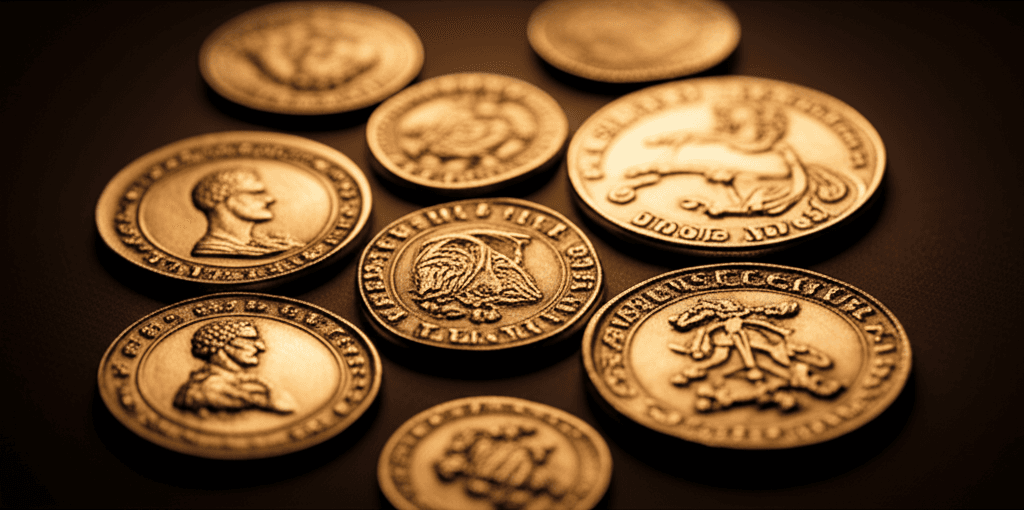
Conclusion: Auction 162 revealed significant variations in lot performance, with competitive bidding driving exceptional
Verdict: High unsold rates signal buyer absence across price tiers—premium results mask structural demand weakness.
Lower grades carry significant liquidity risk.

Conclusion: Monnaie de Paris has unveiled its three-year "French Genius" trilogy, which
Certain segments of the coin market face structural pressure—precious-metal price correlation reduces spreads. Collector-grade rarities retain value; bulk silver coins present exit risk amid investor inflows and Eastern European demand redistribution.
Conclusion: The U. S. Mint's January production surge, driven by commemorative coins, was
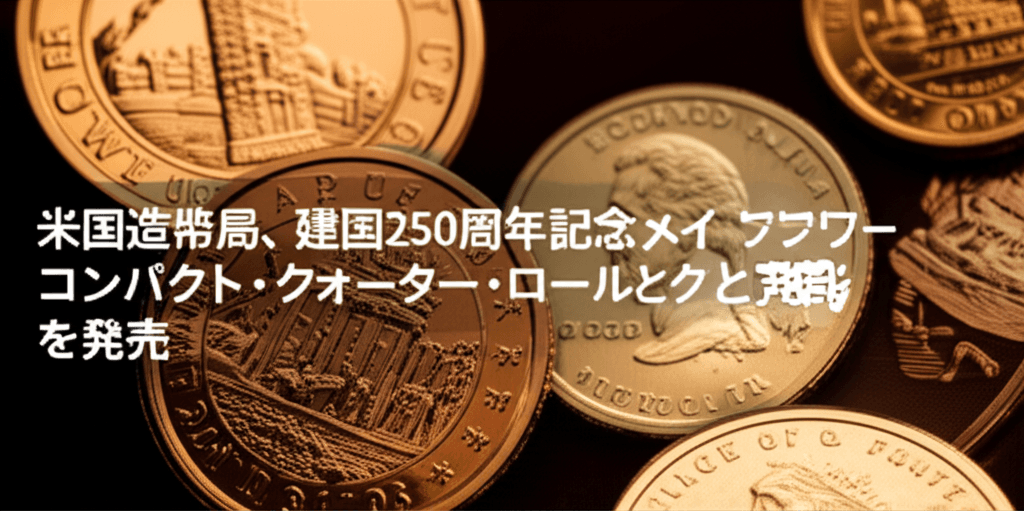
Conclusion: The United States Mint officially opened sales of the Mayflower Compact Quarter, the inaugural issue
ALERT until official transparency measures implemented by mint authority
Conclusion: The sharing of new acquisitions within specialized numismatic communities significantly enhances knowledge exchange, promotes market transparency
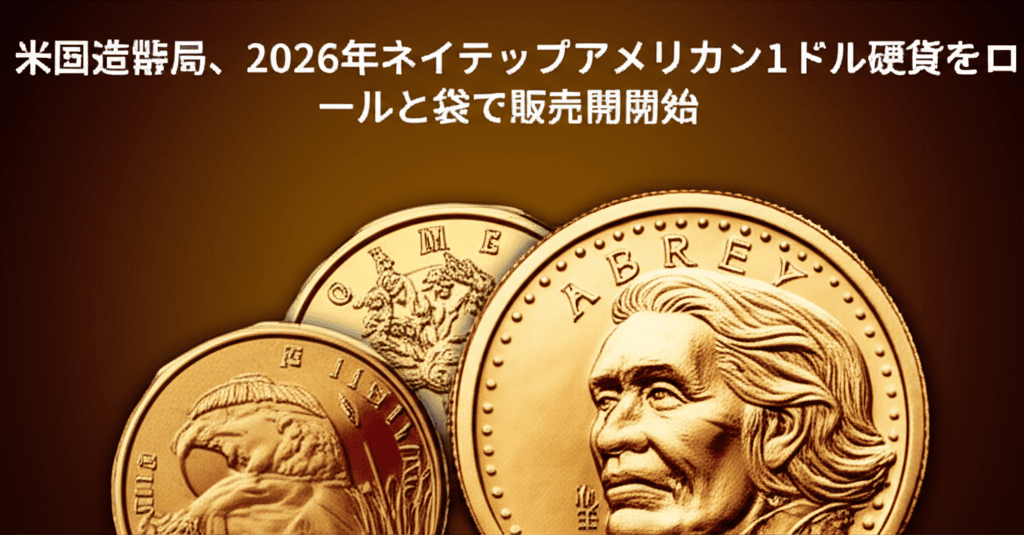
Conclusion: The United States Mint has commenced sales of the 2026 Native American
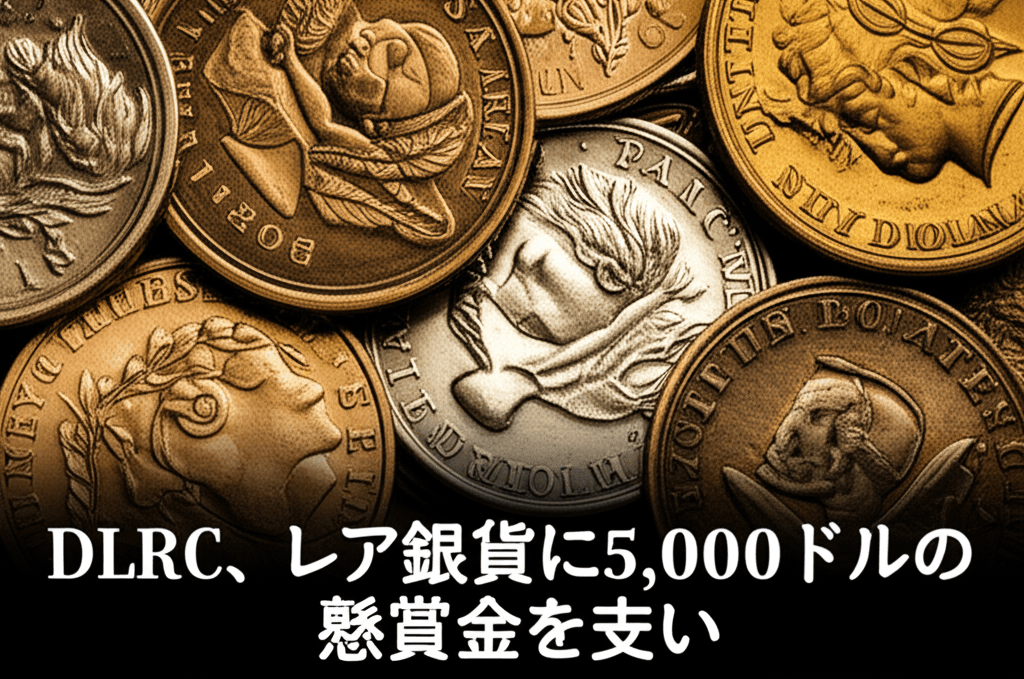
Conclusion: Proof dollar supply constraints indicate the challenge of locating specific pieces for collections.
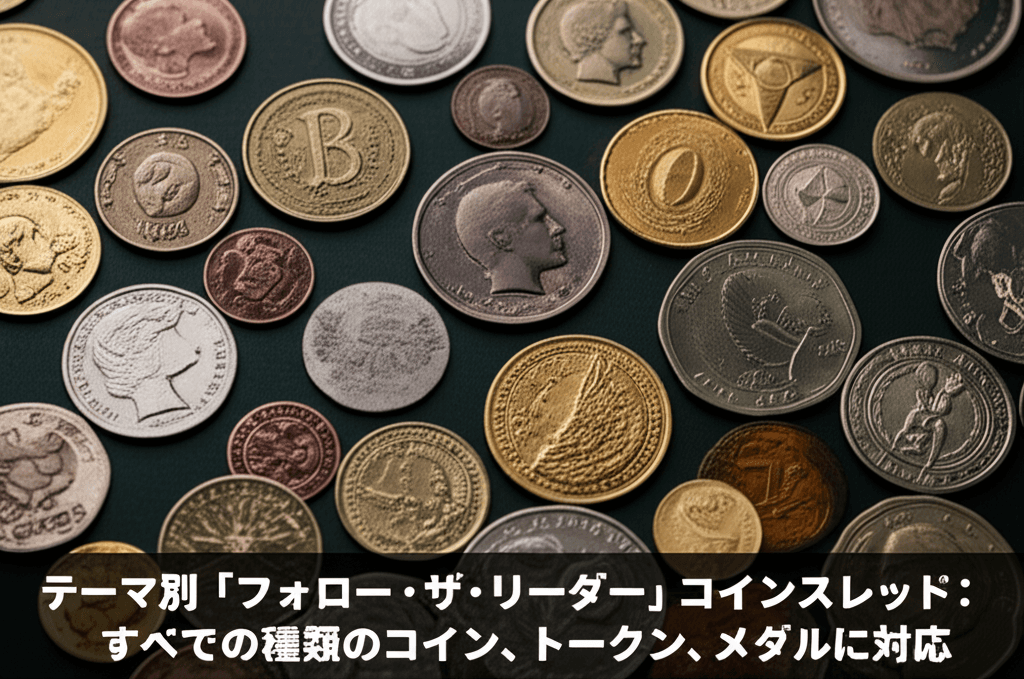
singles); beginners start broad themes (commemorative medals, sovereign coins), advanced collectors hunt niche themes for discovery gains now.
Conclusion: Online forum discussions highlighted suspicious silver coin listings featuring inconsistent seller details, multiple accounts, and prior

Conclusion: The coin collecting hobby has experienced significant digital transformation, leading to increased global engagement and the
Before buying unslabbed rare coins, verify country-specific valuation & authentication markers in this forum database—purchasing premium coins without academic provenance is high-risk.
Conclusion: Semiquincentennial circulation coins are appearing in transactions, though early observations indicate an uneven geographic
Gamified education converts casual coin enthusiasts into serious collectors—low-barrier participation events signal long-term market expansion.
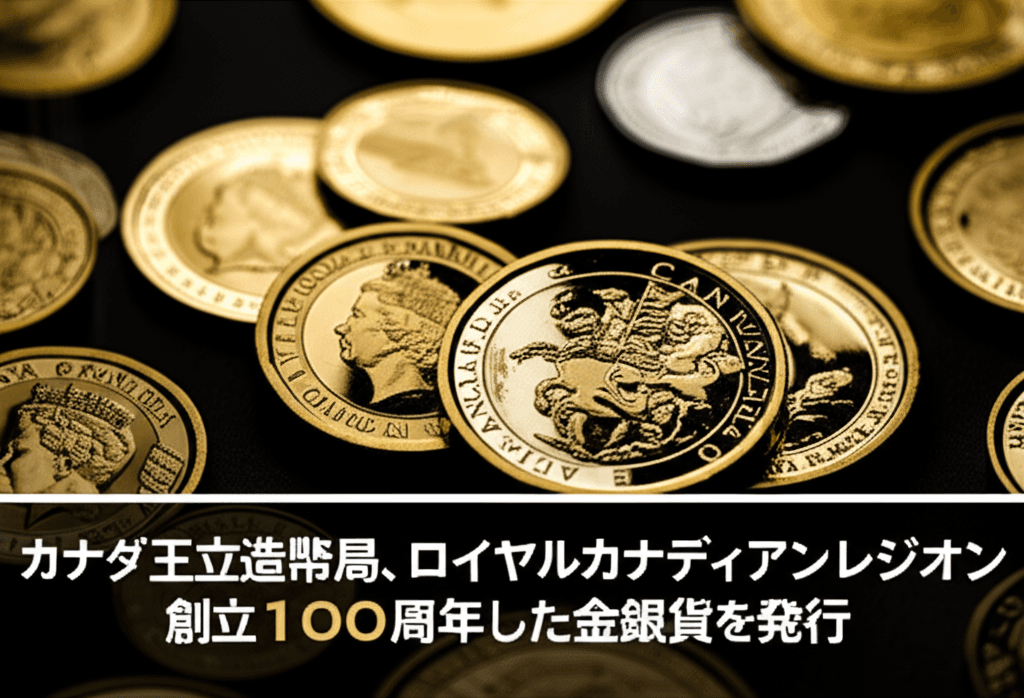
Conclusion: The Royal Canadian Mint has announced a new commemorative coin program for the Royal Canadian Legion's
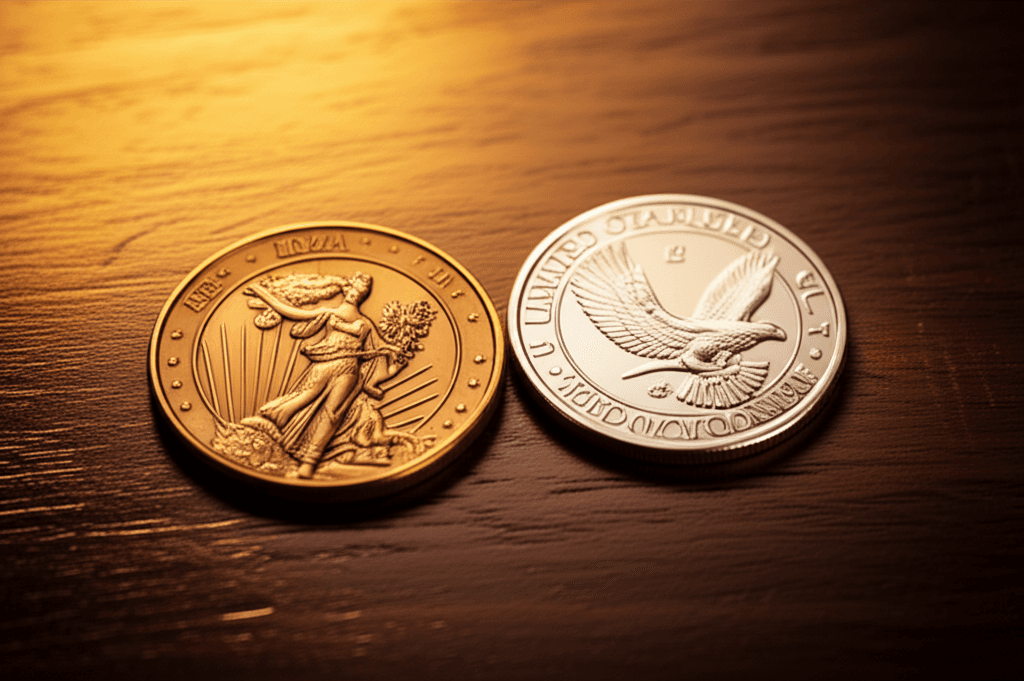
During silver rallies, bullion content trumps novelty premium—Innovation dollars priced above spot struggle against American Silver Eagles with investor-focused buyers.
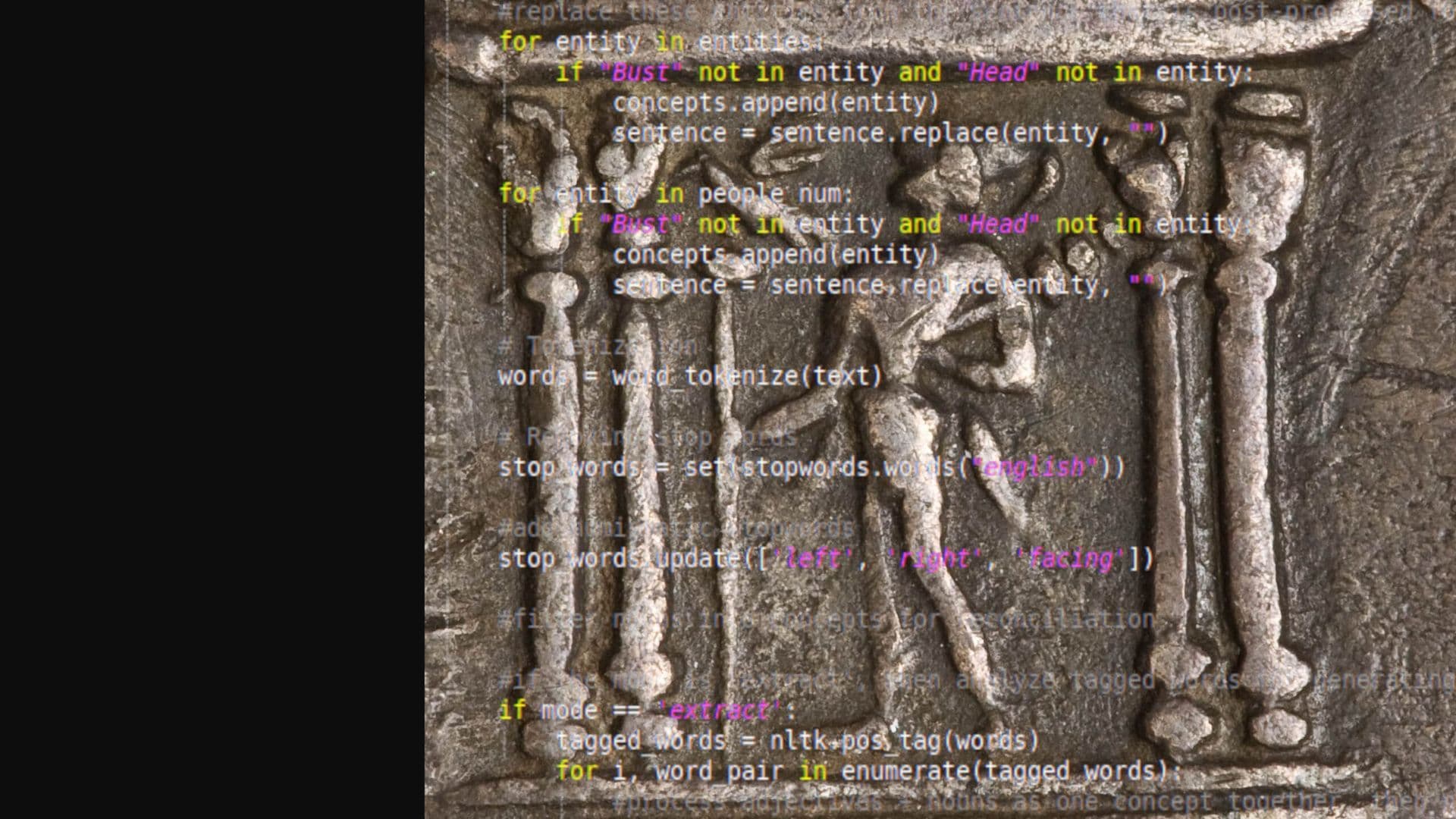
Conclusion: The American Numismatic Society is set to showcase the application of natural language processing
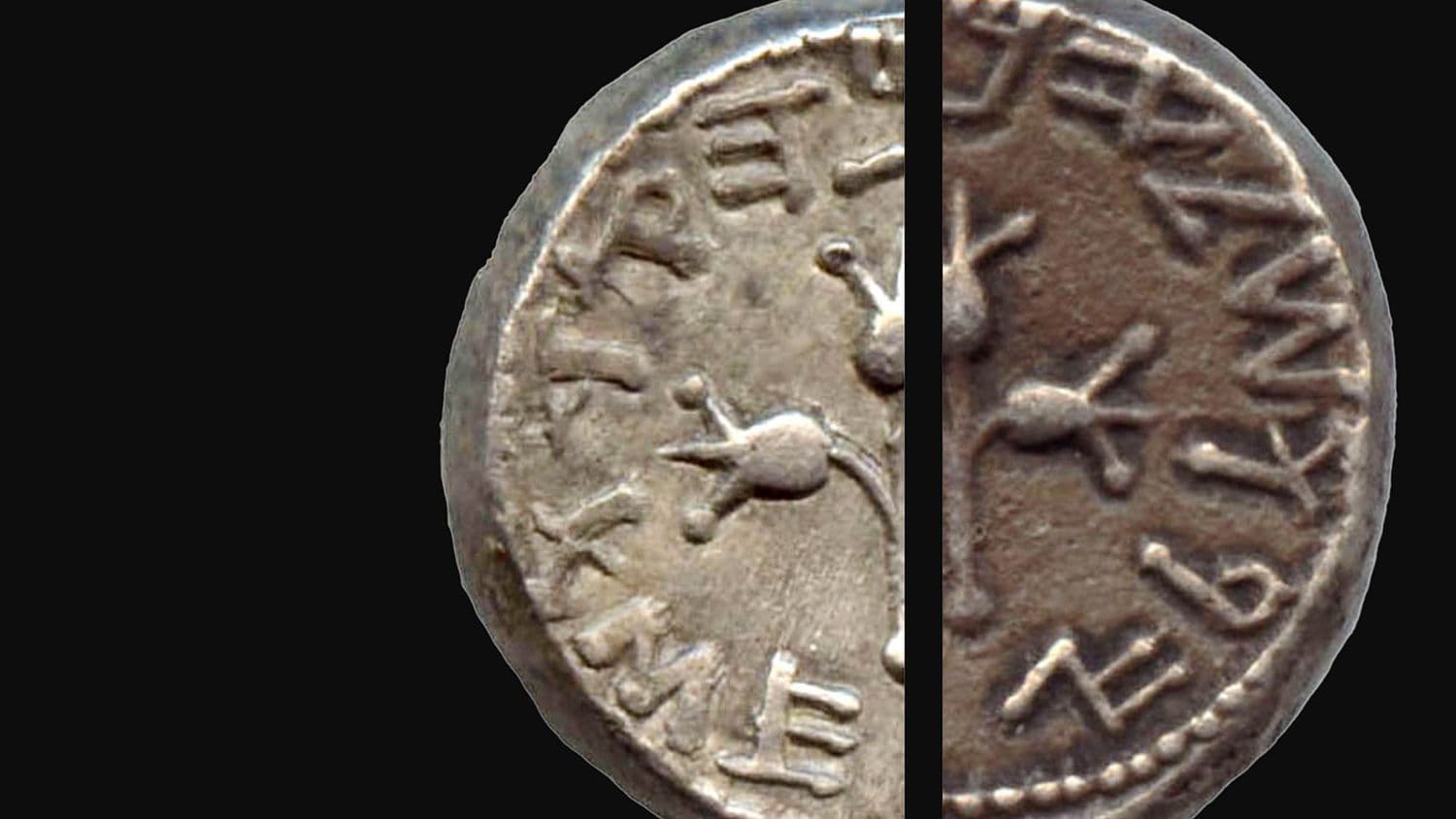
Action: High-value authenticated coins demand secondary verification—dual grader cross-check non-negotiable above $50K.

ANS relocation signals numismatic market decentralization—expect regional valuation variance; monitor Ohio-area rare coin pricing premiums closely.

Takeaway: Museum leaders' ANS recognition signals institutional validation of numismatics—collectors should monitor museum exhibition and acquisition strategies.
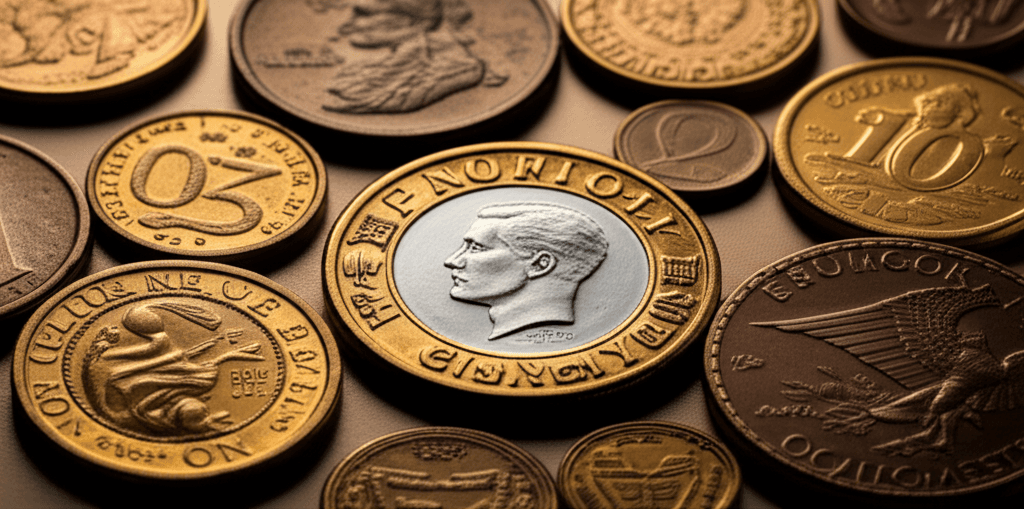
Takeaway: London hub + hybrid access = lower barriers to numismatic scholarship; serious collectors should monitor accelerating academic research on grading standards.
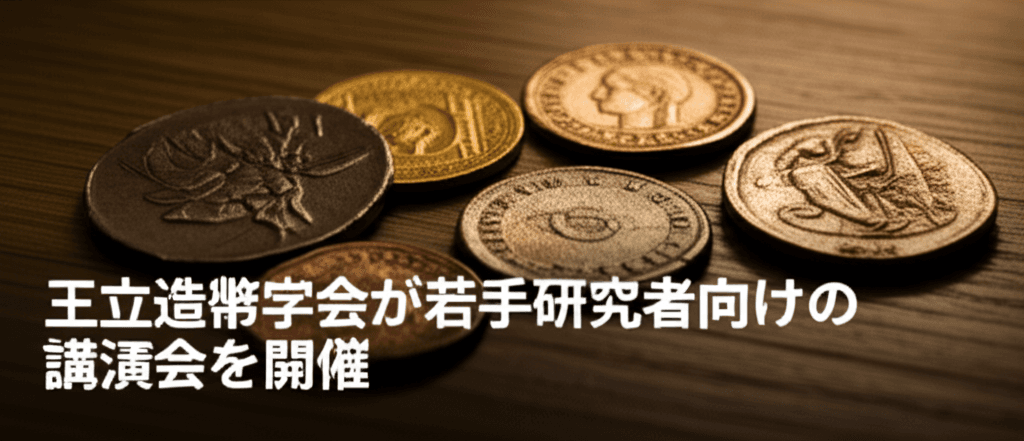
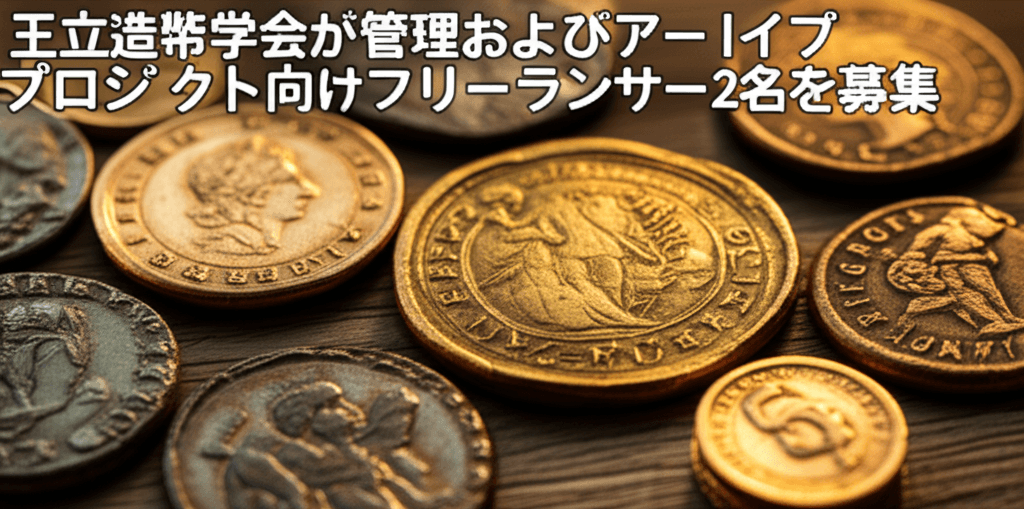
Defer purchases of high-value rare coins ($10K+) with unclear provenance until mid-2025; RNS digital archive completion will reset market authentication standards.

Conclusion: Academic provenance verification via RNS-standard institutions is non-negotiable before rare coin purchases; skip it at authentication peril.

Academic validation precedes market revaluation by 18 months; monitor RNS speaker announcements for emerging coin categories set for repricing.
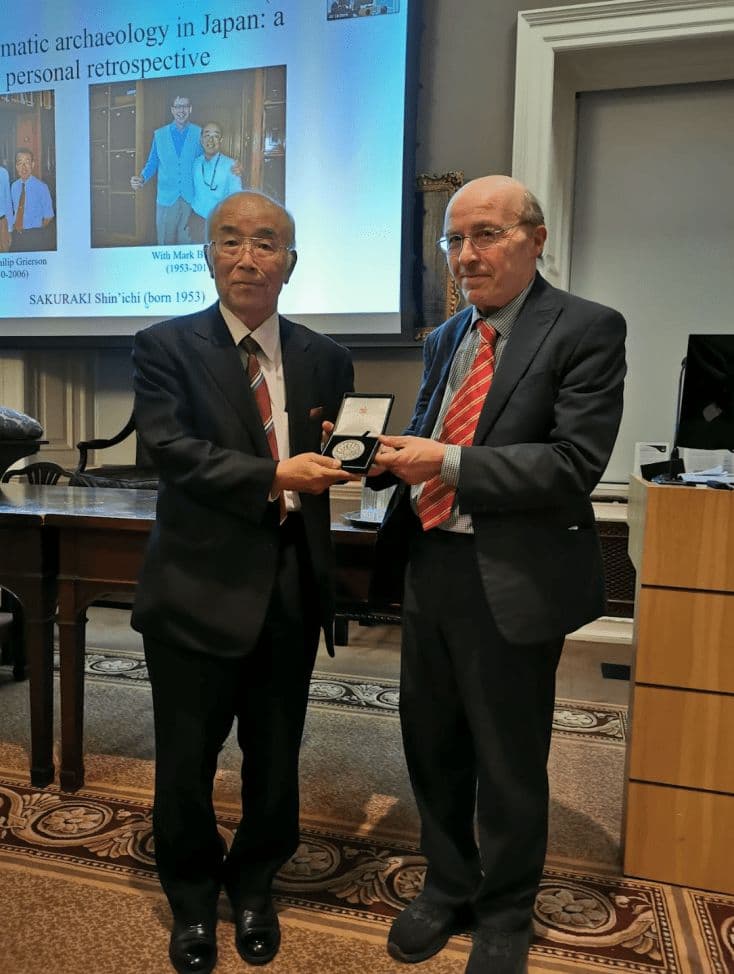
Conclusion: Prof. Sakuraki's medal recognizes his deep impact on numismatic

Action: Secure provenance documentation before Aug 20 closure; fall re-evaluation period demands academic evidence for high-value numismatics.